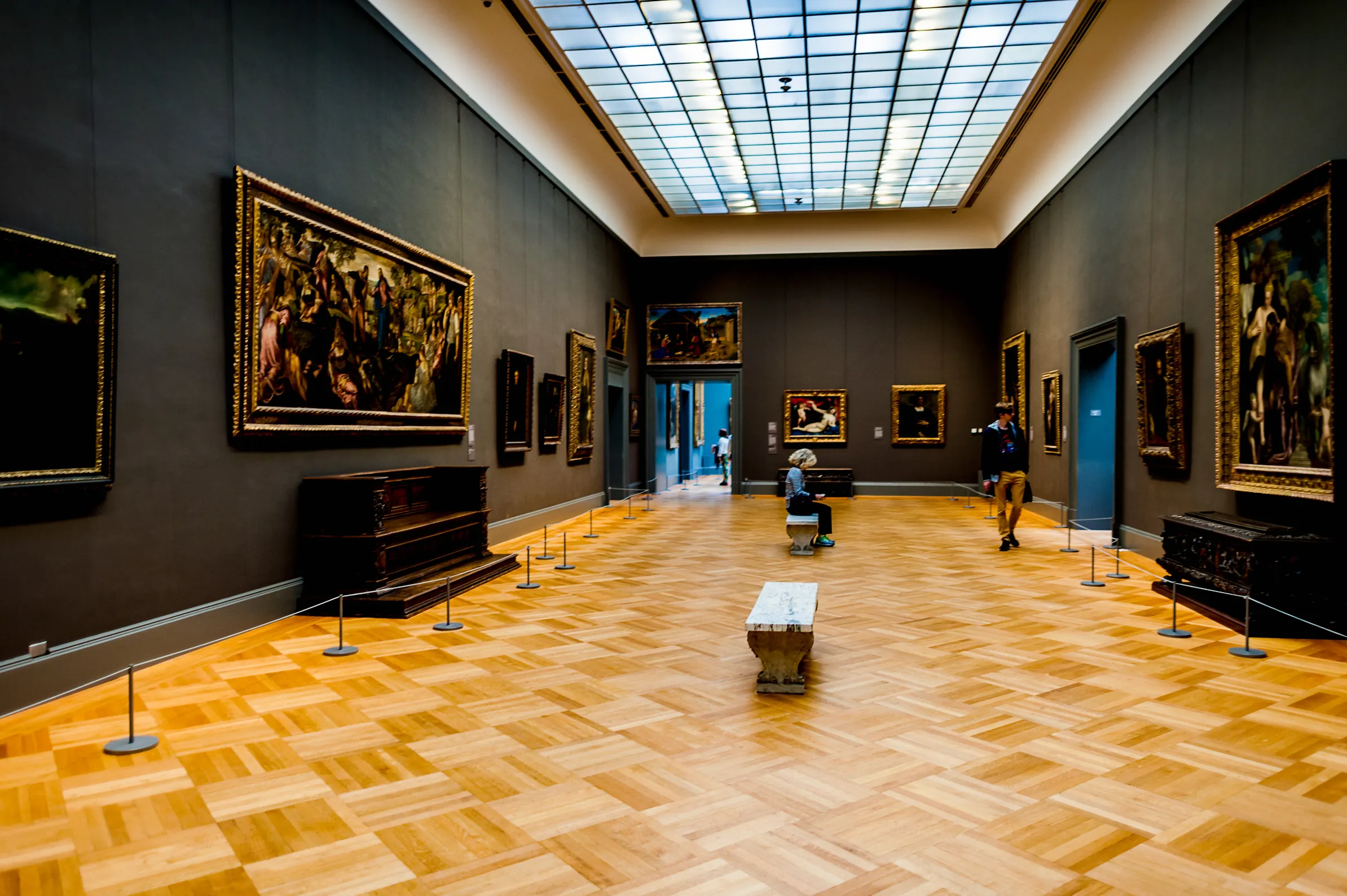
What Are The Best Flooring Options For Museums?
Of the different styles of commercial flooring, museum flooring presents a more nuanced challenge than other spaces. Museum flooring durability is critical due to heavy foot traffic, wheeled artifact transport, and constant cleaning.
The back-of-house conditions in a museum can be as rough on flooring as in warehouses and manufacturing environments. At the same time, the front-of-house floors also have to meet specific aesthetic needs. After all, the visual design of the flooring still needs to be subordinate to the artifacts on display.
Ideally, the floor in a museum goes unnoticed, serving its purpose with a neat, reserved style. However, making the wrong choice for materials or design can lead to a host of issues. A design that’s too busy can distract guests from the exhibits. An unsuitable material can suffer from premature wear or require costly maintenance that shuts down galleries.
In this guide from Consolidated Flooring, we break down the best museum flooring options for different spaces.
Why Is Museum Flooring More Complicated Than Other Commercial Spaces?
Museums have several unique functions and performance requirements that set them apart from other commercial environments. Some of the unique flooring challenges in a museum include:
-
- Heavy daily wear: Constant public foot traffic combined with rolling loads from artifact transport carts and exhibit equipment can wear down unsuitable flooring materials.
- Demanding aesthetic requirements: Museum floors need to complement exhibits without competing with what’s on display.
- Acoustic sensitivity: Many gallery spaces are designed for quiet contemplation of exhibits, where acoustic flooring for museums can help create a soft, low-noise environment.
- Static control needs: Particularly in conservation and storage areas, it’s common for museums to require static-dissipative flooring to avoid damaging fragile artifacts or equipment.
- Tight schedules: Museums also have to contend with the logistical pressure of installing flooring around public operating hours or exhibit schedules.
- Sustainable museum flooring: With LEED flooring, museums can keep their facility sustainable and reduce emissions and material waste.
Given the specific flooring needs of a museum, there is no one-size-fits-all solution that addresses all of these problems. That’s why it’s crucial to get expert guidance from an experienced commercial flooring dealer.
Acoustic performance is one of the most underspecified considerations in public-space flooring decisions. If your project involves any contemplative or sound-sensitive environment, our detailed guide on how flooring impacts acoustics in churches and worship spaces covers the material trade-offs — carpet vs. hard surface, IIC ratings, and zone-by-zone decisions — in a way that applies directly to museum gallery planning as well.
How Does Flooring Affect the Visitor Experience Beyond Just Looking Good?
One of the most important performance indicators of museum commercial flooring, if not the most important, is your visitors’ experience. Naturally, it’s easy to overlook the role of flooring in this regard, but there are a few ways it can transform the visitor experience:
- Acoustic performance: IIC (impact insulation class) ratings matter in quiet gallery environments or cavernous spaces where footfall noise can echo and distract from the museum-going experience.
- Wayfinding: Commercial flooring dealers can specify your floors to incorporate directional cues and room identifiers directly into the floor design. This can be a practical, elegant solution for helping visitors navigate museums with larger footprints.
- Slip resistance: The best safety feature is one you never notice, and slip-resistant flooring can make museums safer for visitors, especially in high-traffic areas or potentially wet entry spaces.
What Are the Best Flooring Options for Gallery and Exhibition Spaces?
Let’s take a detailed look at each of the most common types of commercial flooring for museums:
- LVT (luxury vinyl tile): The industry-standard workhorse for gallery spaces, LVT is durable, low-maintenance, and available in neutral tones that complement exhibit aesthetics. With a 5mm wear layer, LVT holds up under heavy rolling loads from artifact carts. A wide range of design options allows floors to feel refined without being decorative enough to compete visually with exhibits.
- Polished concrete/decorative concrete: Concrete is a striking, durable, and contextually appropriate option for contemporary spaces or museums with an industrial aesthetic. You can incorporate staining, engraving, or aggregate accents for wayfinding flooring and design. Best of all, concrete is low-maintenance once properly sealed and treated.
- Epoxy/chip or flake flooring: Epoxy floors have a seamless, non-porous surface. You can choose either a high-gloss or matte finish option depending on the desired aesthetic. Epoxy is excellent for large, open gallery flooring where visual continuity is a factor, and can also handle heavy rolling loads. It’s easy to clean, and offers a wide range of custom color and pattern options.
- Engineered hardwood/site-finished wood: Wood is a good option for historic institutions or galleries where an organic, warm aesthetic is part of the context of the exhibit. However, we don’t recommend wood near entryways or high-moisture zones. You can extend the life of hardwood with screen-and-coat refinishing.
The same zone-by-zone replacement logic applies in other high-demand institutional environments. If you manage a facility that includes clinical or medically sensitive spaces, our guide on how often hospital flooring needs to be replaced breaks down lifespan by material type and explains why maintenance can only extend — not eliminate — the need for eventual replacement.
When Does Carpet Tile Make Sense in a Museum Gallery?
There are also some cases where carpet tile can be a functional choice for museum flooring. The main benefit of carpet over other flooring materials is acoustic performance. A carpet tile museum gallery significantly reduces footfall noise and ambient sound transmission in quieter gallery spaces, such as:
- Art museum flooring
- Contemplative exhibition rooms
- Areas with audio installations
When the idea of carpet floors comes up, the first thing that comes to mind is often staining. However, solution-dyed nylon fibers, like EcoSolution Q, resist staining at the fiber level. That means even with spills or tracked-in dirt, removing spots from carpet tile doesn’t have to be a headache-inducing project.
Carpet tile also has a distinct advantage over broadloom carpet. Since broadloom carpet uses one large roll of material, if it becomes damaged, you have to replace the carpet throughout the entire room. However, carpet tile uses smaller sections (tiles), so you can replace individual sections if one becomes stained or damaged. Spot replacement keeps long-term maintenance costs predictable without the need to pull an entire gallery floor.
What Flooring Works Best in High-Traffic Museum Common Areas?
While galleries see their fair share of foot traffic, these are the common areas of a museum that take the most punishment:
Lobbies and Museum Entrance Flooring
Pedimat-style systems like entrance mats and grids act as the first line of defense for your facility’s floors. Using entrance mats, museums can capture grit and moisture from outside before it can reach interior floors. Beyond that, terrazzo-look LVT, decorative epoxy, and polished concrete museum floors can handle the heavy traffic and wet-shoe conditions. High-quality flooring systems in the entryway also make a strong first-impression statement as visitors enter.
Corridors
LVT and rubber are two of the best options for museum hallway flooring. Both materials can handle constant foot traffic and resist rolling loads and are easy to clean. For high-use corridors, you might also consider a flash cove base. This flooring detail creates a curved wall-to-floor seal that simplifies cleaning.
Cafeterias and Food Service
The standard for dining area and museum cafeteria flooring is homogeneous sheet vinyl with heat-welded seams. Heat-welded vinyl has no grout lines or seam gaps. The homogeneous, non-porous surface leaves nowhere for food, moisture, or microbes to penetrate. Epoxy flooring in museums can also be a strong option where a seamless, high-durability surface is the priority.
Gift Shops
Depending on the desired retail aesthetic, LVT or carpet tile are recommended for gift shop flooring. LVT for museums offers a clean, modern feel and easy cleanup. Carpet tile, on the other hand, creates a warmer environment where visitors might feel more inclined to browse longer.
What Are the Right Flooring Solutions for Back-of-House and Conservation Areas?
Museum back-of-house spaces, such as loading docks, freight corridors, conservation labs, and artifact storage, have their own distinct requirements that often get underspecified in museum projects. Here are some of the major considerations for back-of-house flooring:
- Static dissipative flooring for museums is non-negotiable in conservation labs and storage areas where sensitive artifacts and electronic equipment are present. Standard LVT or epoxy won’t provide the necessary static control, so it’s vital to specify the product correctly from the start.
- Epoxy and high-PSI flooring are ideal for dock areas and freight corridors where heavy equipment, rolling loads, and forklift traffic are factors. Seamless surfaces are easier to keep clean and don’t have joints or grout lines that can catch debris.
- Floor prep and moisture mitigation are especially important in older museum buildings where subfloor conditions are less predictable. Proper leveling, moisture testing, and mitigation before any product goes down protects the installation long-term.
Part of what makes museums so fascinating is that no two are alike. Every museum holds different exhibits and artifacts. However, that also means no two museum flooring projects are alike either. Most general flooring contractors won’t have the required expertise to create a flooring system suited to the unique needs of a museum facility.
To ensure your flooring gets installed correctly, museum managers and operations directors can count on the experts at Consolidated Flooring. We’re not just flooring installers; we’re a commercial flooring dealer with over 80 years of flooring experience.
Consolidated Flooring offers a free, no-obligation consultation to assess your facility’s flooring needs, make a recommendation, and offer a pricing estimate. Contact us today to schedule your consultation.