Clean Room Flooring Designed for Sterility and Safety
Trusted by





Why Consolidated Flooring Is The Best Choice for Clean Room Flooring
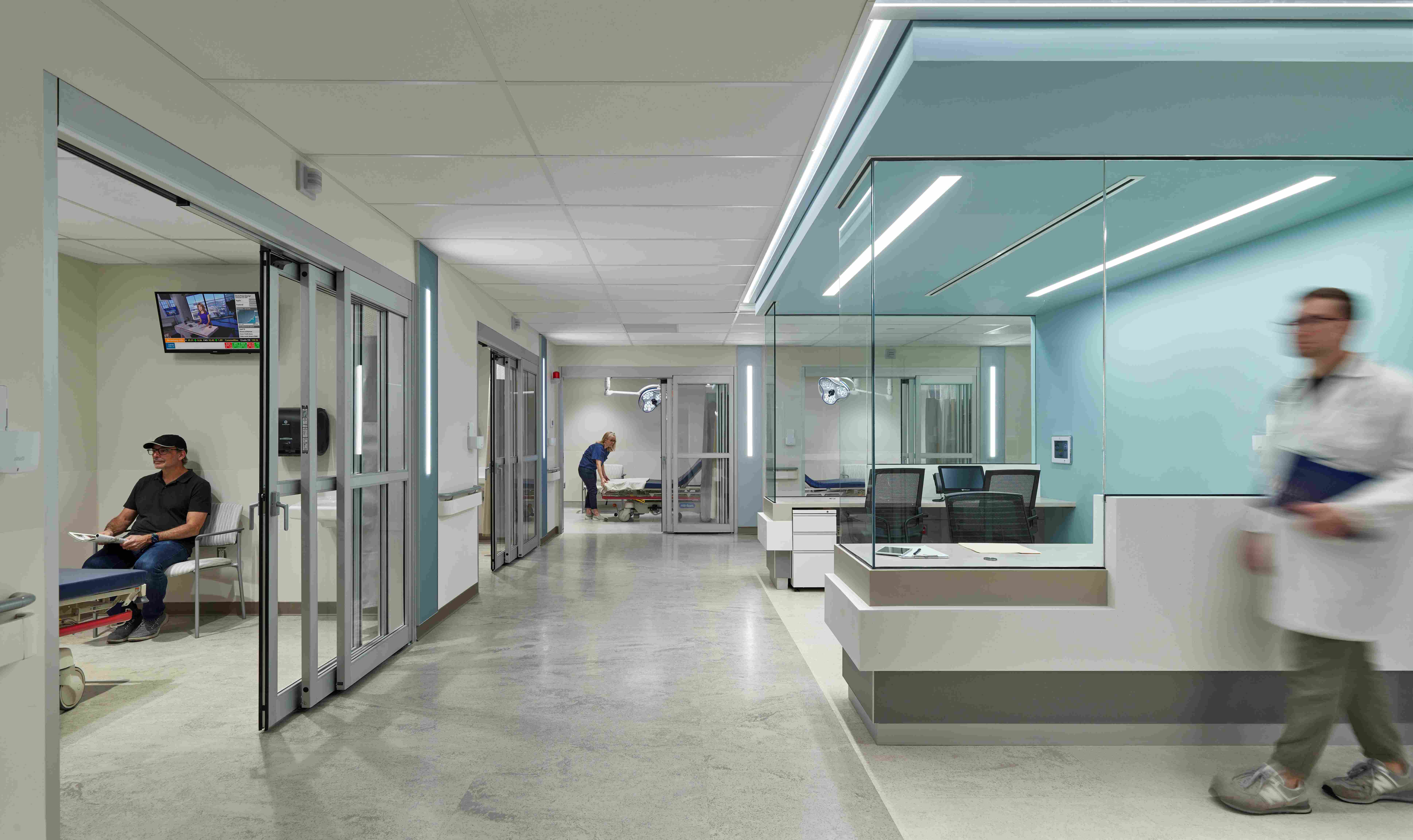
For over 80 years, Consolidated Flooring has been the market leader in clean room flooring—delivering highly specialized, compliant, and precisely installed solutions for controlled environments across research, healthcare, technology, and manufacturing.
Our expert team understands the critical importance of hygiene, antistatic properties, and chemical resistance in clean rooms.
By leveraging the industry’s top materials, certified installation crews, and a meticulous project approach, we help you exceed regulatory standards and provide the foundation for contamination-free, operational excellence.

Conducting thorough site and contamination risk assessments to recommend the ideal clean room flooring solution for your environment.

Offering continuous, non-porous flooring installations that eliminate crevices where particulates and microbes can harbor.

Supplying flooring with exceptional chemical and stain resistance for demanding pharmaceutical, biotech, and semiconductor settings.

Providing advanced static control and ESD flooring systems to protect sensitive equipment and processes.

Assisting with subfloor preparation and moisture barriers for maximum long-term performance.

Coordinating rapid installation schedules to minimize downtime and maintain strict project timelines.

Managing documentation and compliance to support audits, inspections, and ongoing regulatory requirements.

Implementing coved base and integrated wall systems for total surface hygiene and easy cleaning.

Facilitating procurement of industry-certified products for ISO, GMP, and FDA-compliant spaces.

Delivering post-installation support and tailored maintenance plans to uphold clean room standards.
Clean Room Flooring Types & DescriptionS

Epoxy Flooring
Seamless, chemical-resistant, and ultra-hygienic surfaces that are easy to sanitize—ideal for any ISO-classified clean space.
Vinyl Sheet Flooring
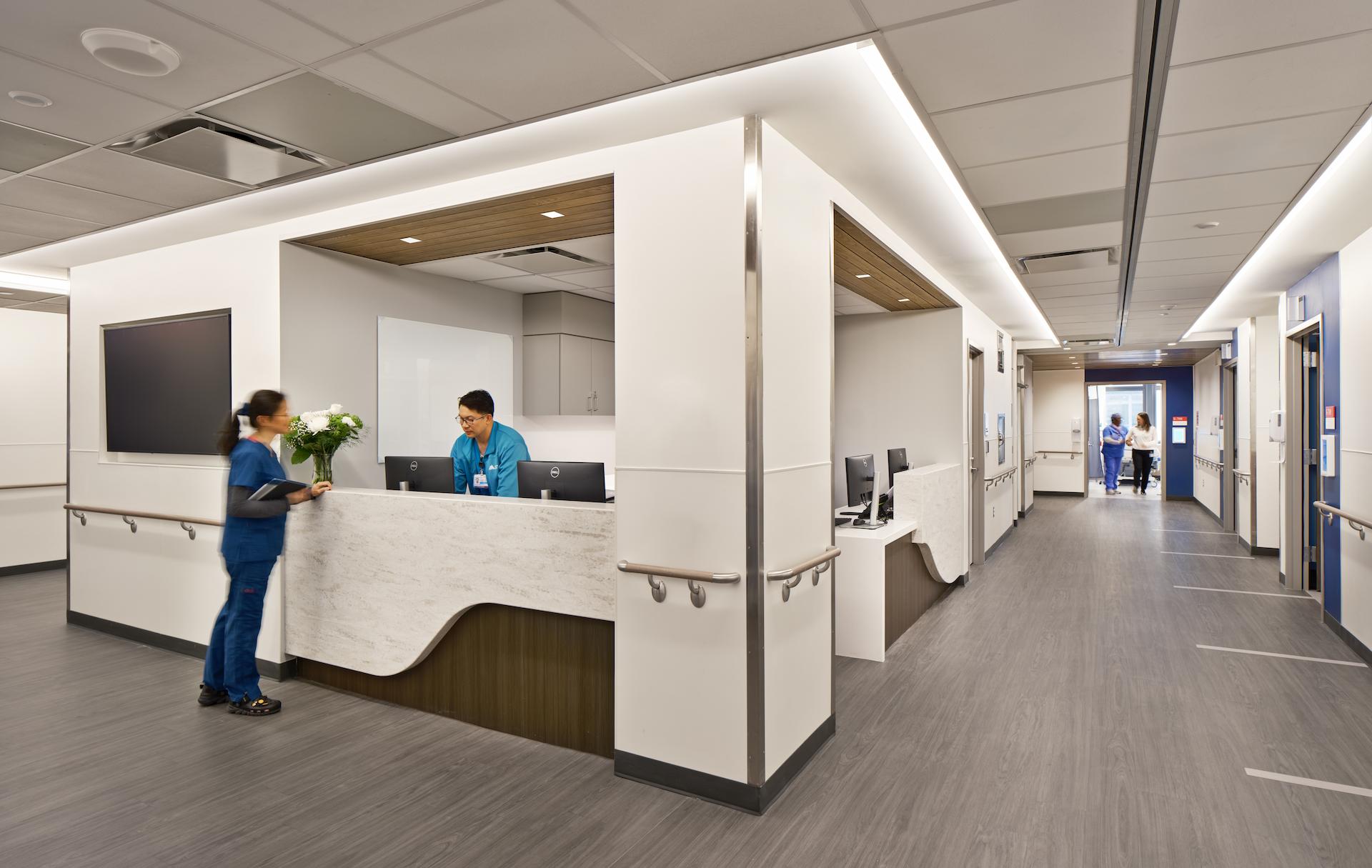
Continuous, non-porous, and welded at the seams to provide an impervious barrier against particulates and spills.
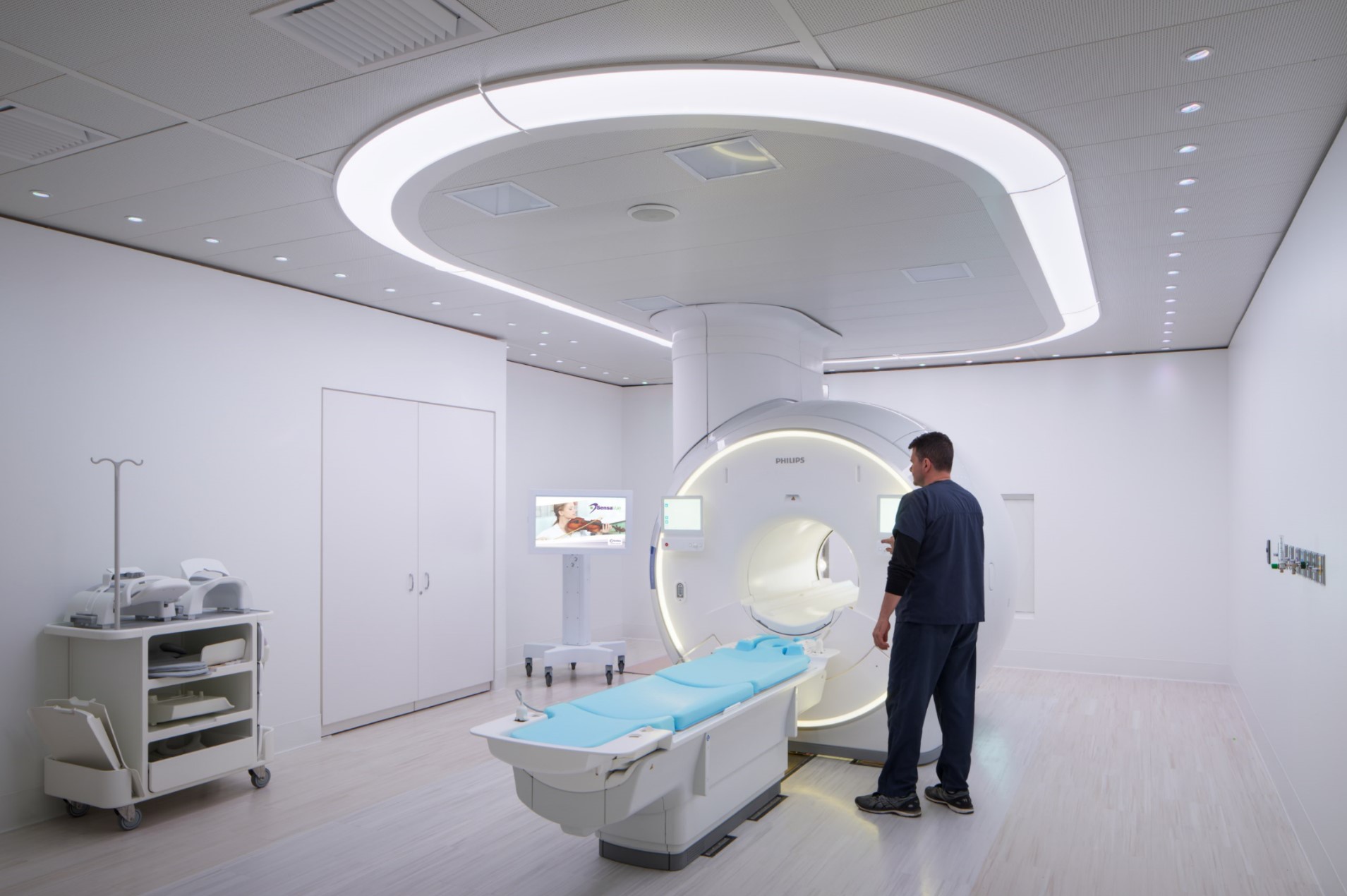
Static Control (ESD) Flooring
Engineered to minimize electrostatic discharge with reliable conductivity and easy maintenance for electronics and pharma labs.
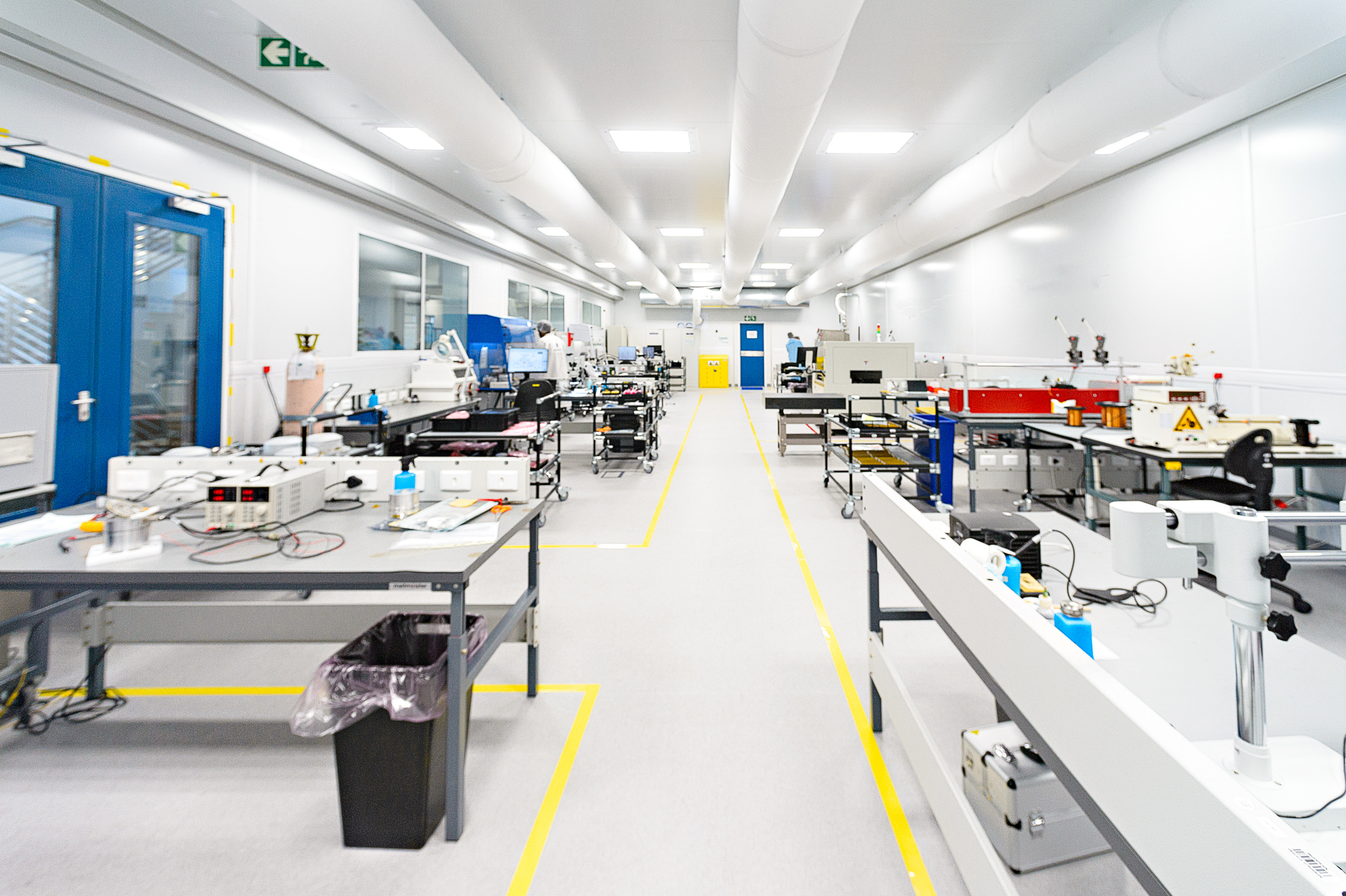
Rubber Flooring
Durable, slip-resistant, and easy to clean—suitable for support areas in clean environments.
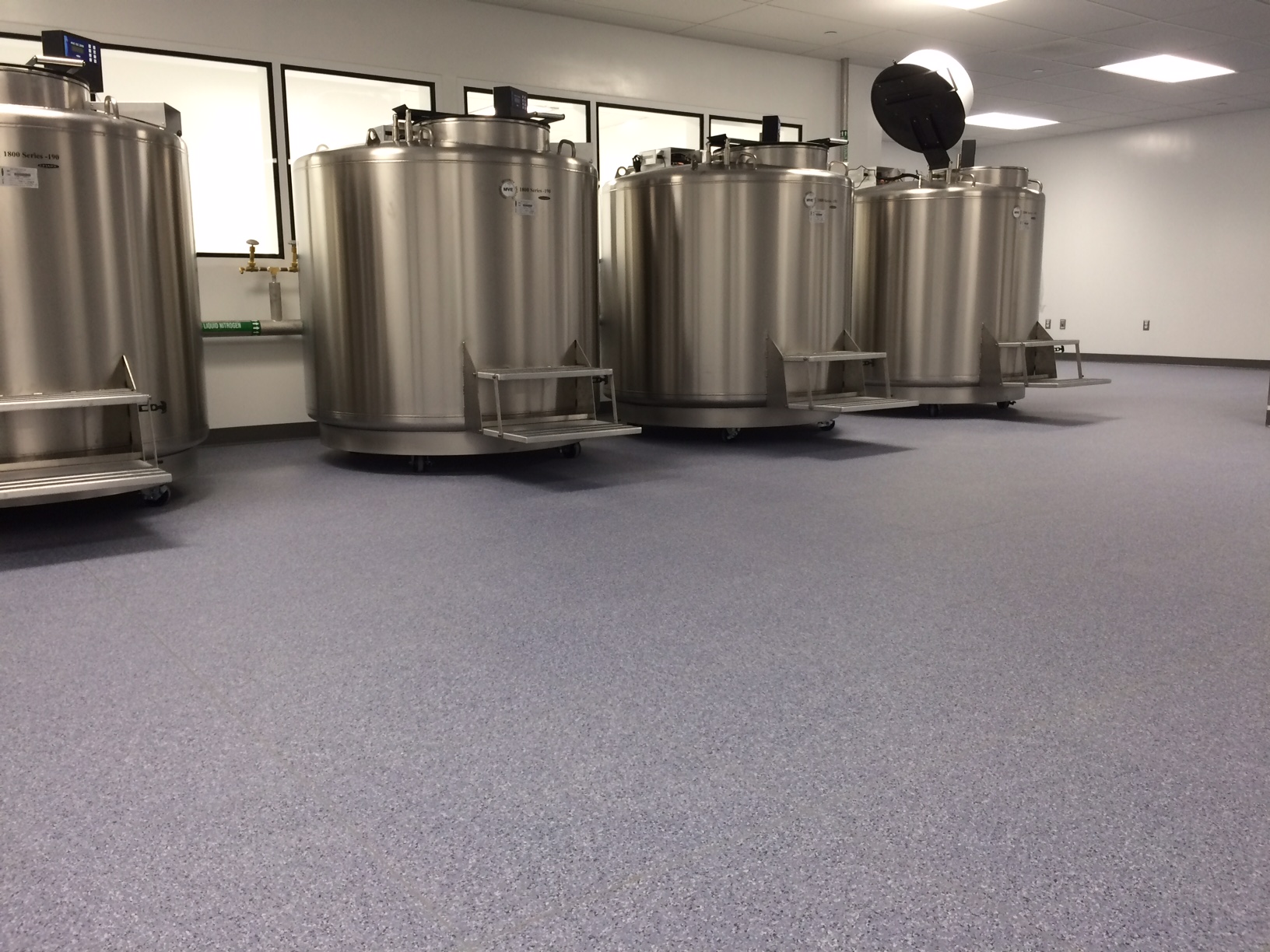
Urethane Flooring Systems
High chemical resistance and seamless application, supporting both hygiene and heavy manufacturing equipment needs.
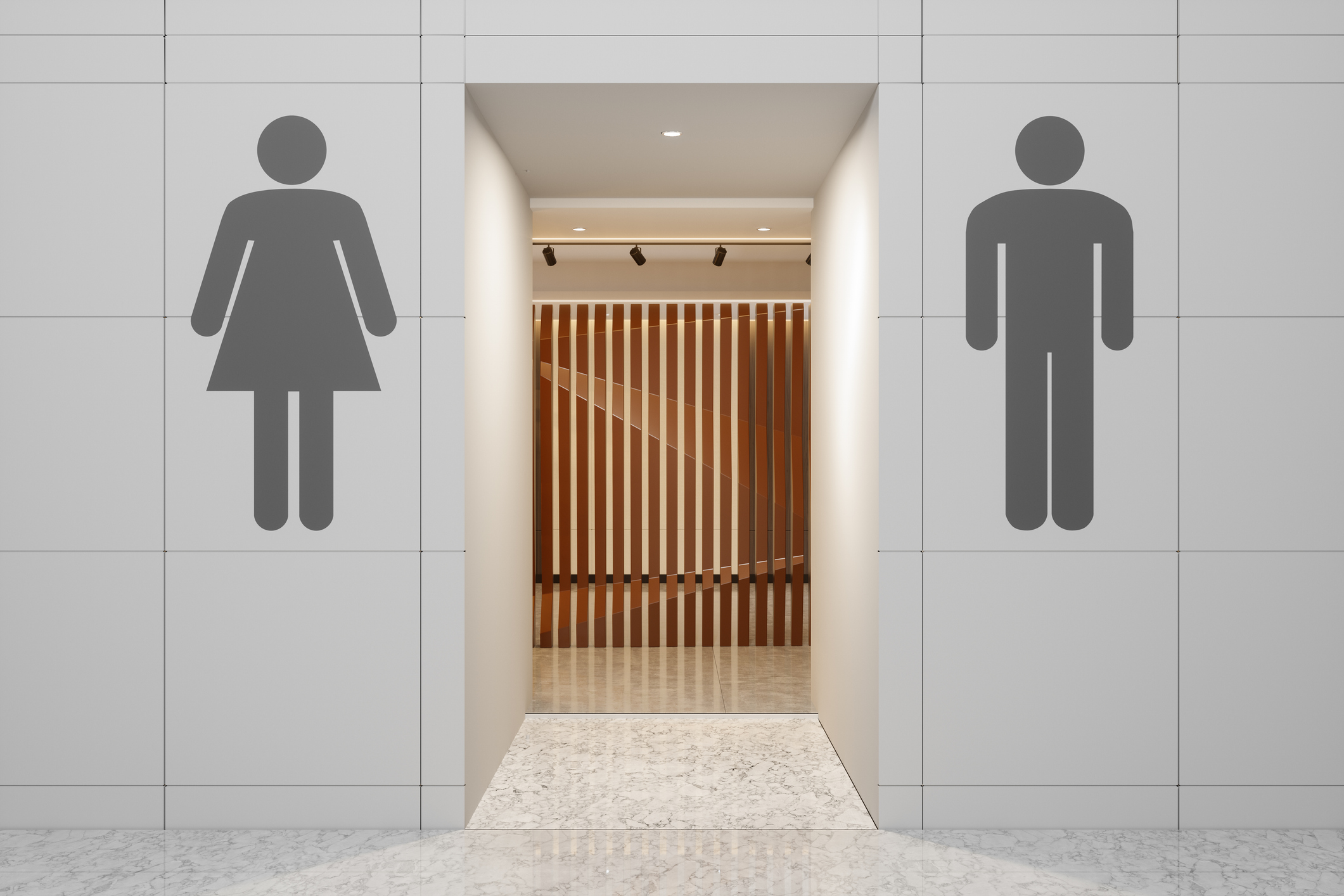
Porcelain & Ceramic Tile
Dense, low-porosity surfaces for spaces where aesthetics and cleanability are both essential.
Our Work
MOUNT SINAI MORNINGSIDE
New York, NY
NEWARK BETH ISRAEL MEDICAL CENTER
Newark, NJ
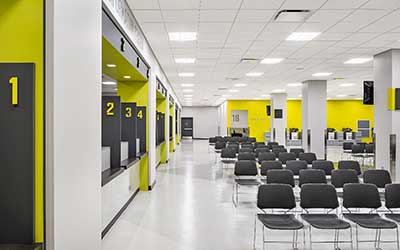
SOCIAL SERVICES AGENCY
Brooklyn, NY
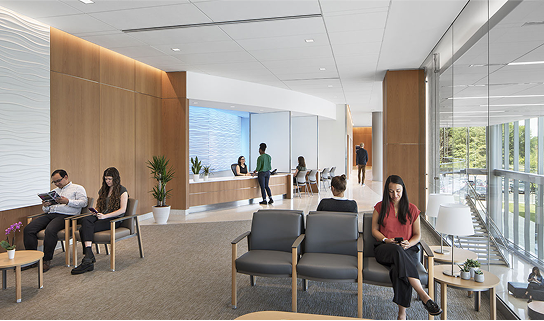
WESTCHESTER MEDICAL CENTER
Valhalla, NY
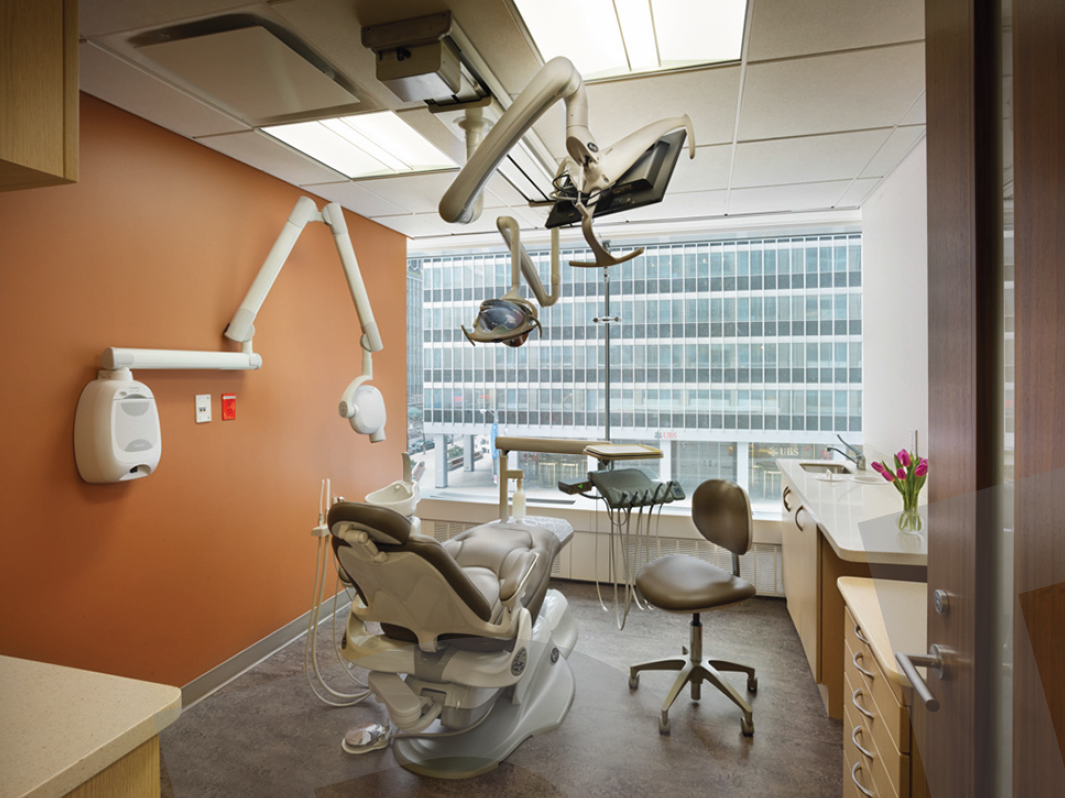
CUMC
New York, NY
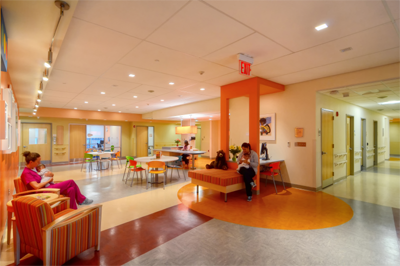
CHILDRENS HOSPITAL
Queens, NY
Reach out to us today
We are a family owned Commercial Flooring contractor trusted by contractors, architects and designers for over 80 years.
- Send us an RFP
- Get a quote
- Schedule a Project Walkthrough
We work directly with businesses or through general contractors, architects, and designers.
"*" indicates required fields
Pharmaceutical Clean Rooms
Surfaces for Regulatory Compliance
Maintain strict GMP and FDA standards with coved, chemical-resistant flooring engineered to eliminate contamination risk in pharmaceutical manufacturing and packaging zones.
Semiconductor & Electronics Labs
Advanced ESD Control, Zero Defect Environments
Protect sensitive electronics with static-control, dust-resistant flooring for ISO 4-8 clean rooms supporting chip fabrication and micro-assembly.
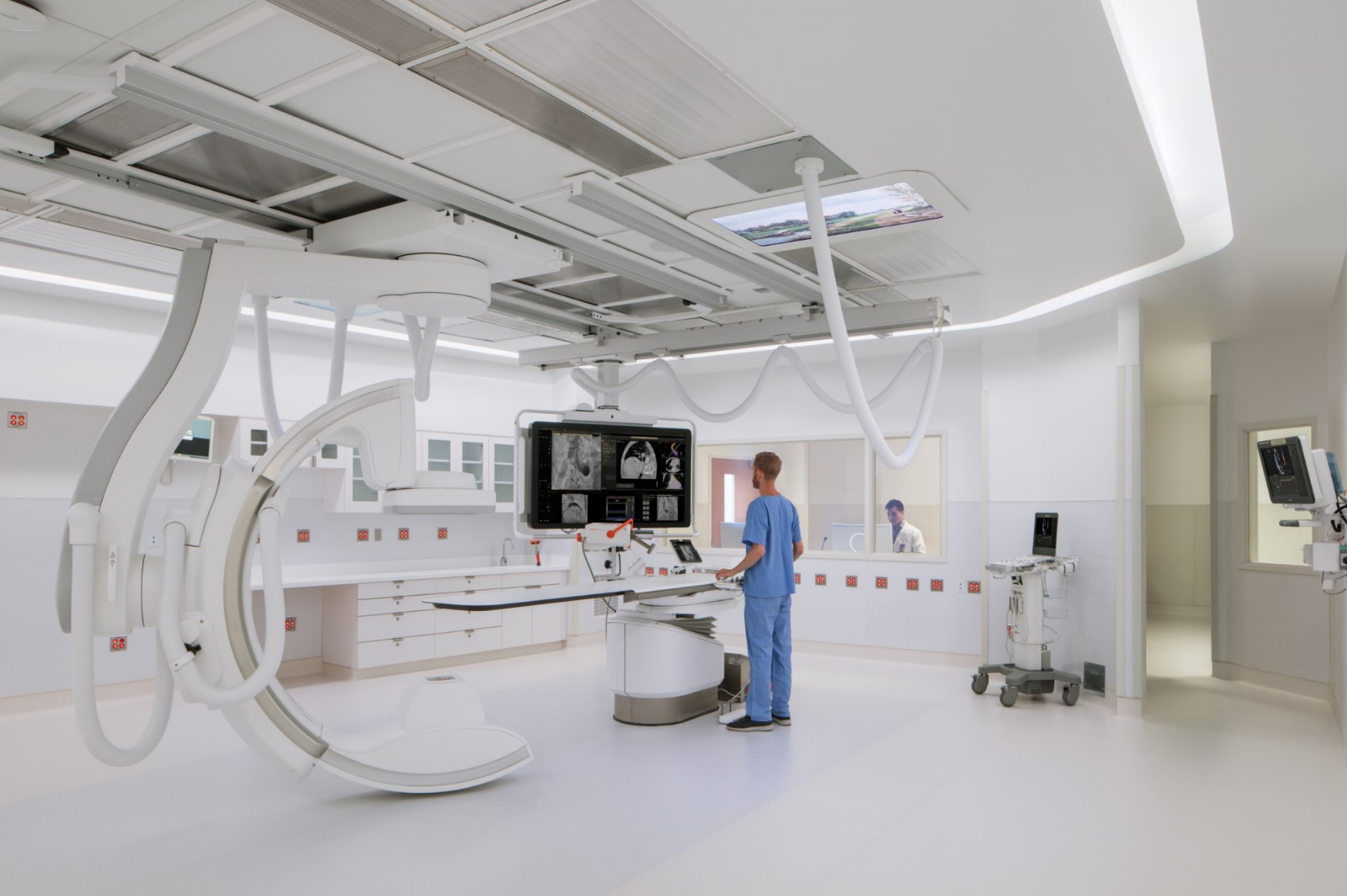

Biotech & Medical Device Facilities
Ultra-Hygienic Flooring for Research & Production
Enable safe innovation and sterile workflows in life sciences and device manufacturing labs with monolithic, heat-welded, or poured floor systems.
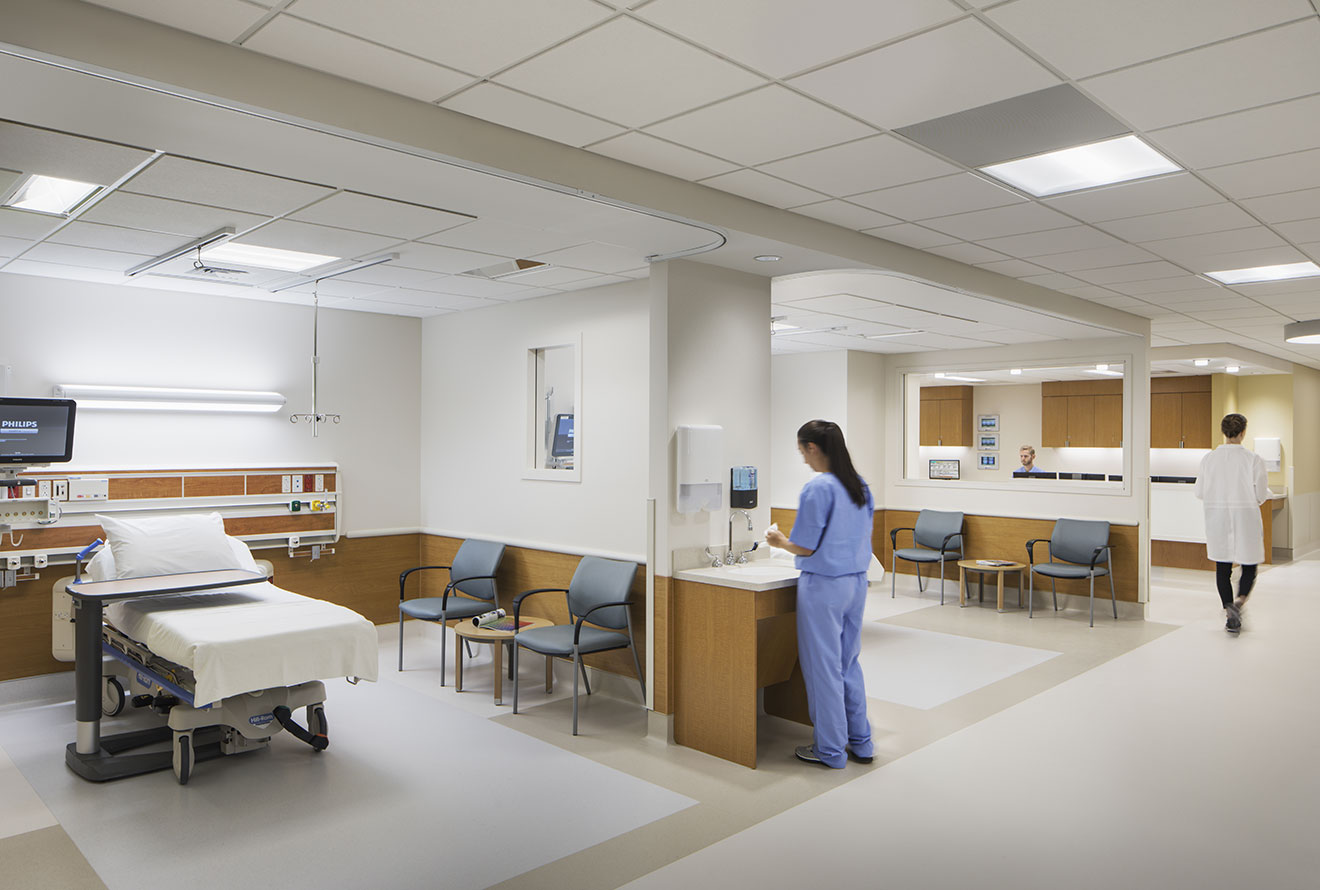
Hospital & Healthcare Clean Rooms
Contamination-Resistant Surfaces for Patient Safety
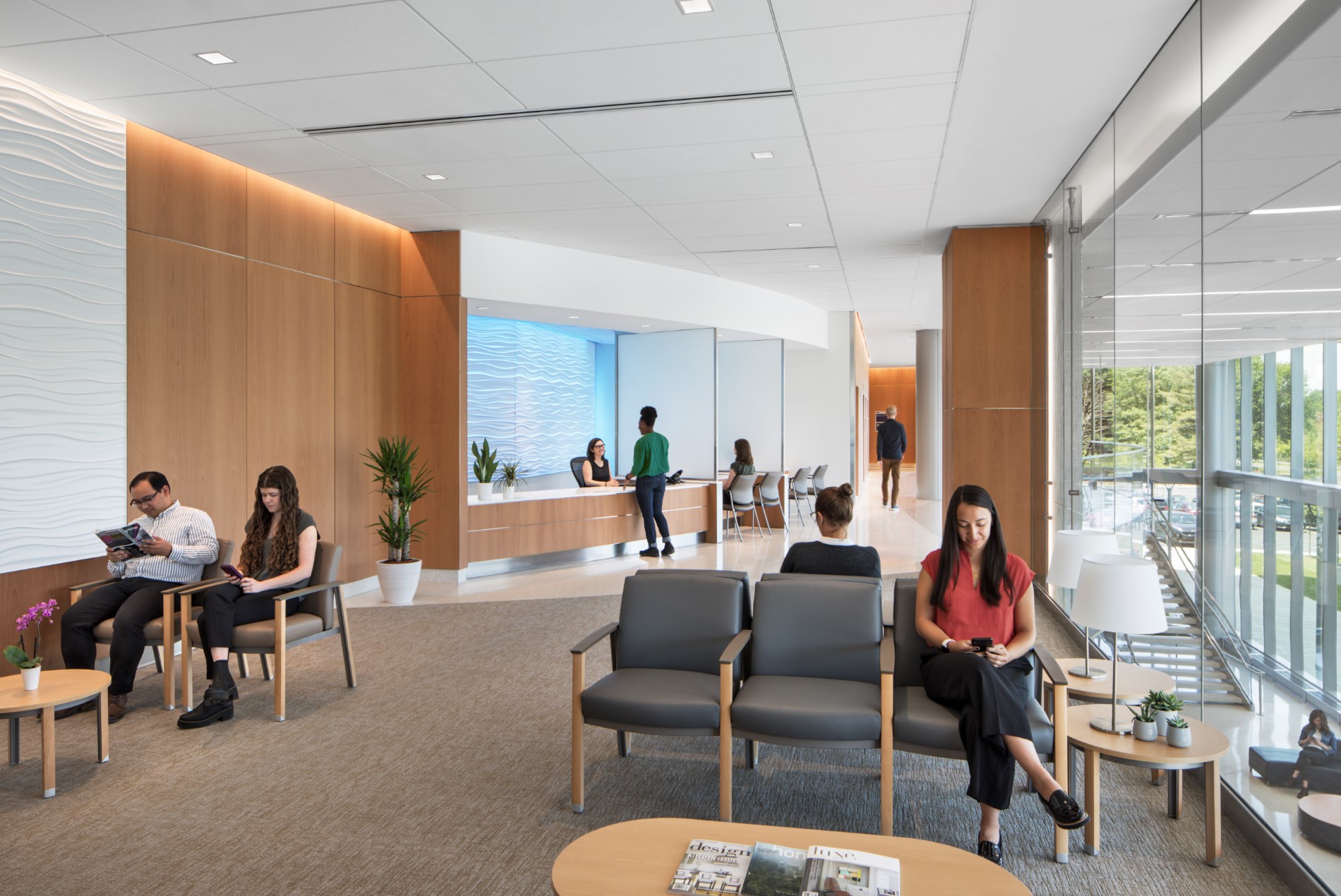
Support infection prevention, quick turnover, and critical care standards in hospitals with easily disinfected flooring throughout compounding pharmacies, operating rooms, and isolation suites.
Reach out to us today
We are a family owned Commercial Flooring contractor trusted by contractors, architects and designers for over 80 years.
- Send us an RFP
- Get a quote
- Schedule a Project Walkthrough
We work directly with businesses or through general contractors, architects, and designers.
"*" indicates required fields
Frequently asked questions
What types of commercial flooring do you offer?
Consolidated Flooring offers a wide range of commercial flooring solutions, including carpet tiles, broadloom carpet, resilient vinyl, hardwood, concrete finishes, and specialty flooring designed to meet the needs of various industries and spaces
Do you provide installation services along with product sourcing?
Consolidated Flooring offers a wide range of commercial flooring solutions, including carpet tiles, broadloom carpet, resilient vinyl, hardwood, concrete finishes, and specialty flooring designed to meet the needs of various industries and spaces
Can you help choose the best flooring for my specific industry or space?
Consolidated Flooring offers a wide range of commercial flooring solutions, including carpet tiles, broadloom carpet, resilient vinyl, hardwood, concrete finishes, and specialty flooring designed to meet the needs of various industries and spaces
How do you ensure projects stay on schedule and within budget?
Consolidated Flooring offers a wide range of commercial flooring solutions, including carpet tiles, broadloom carpet, resilient vinyl, hardwood, concrete finishes, and specialty flooring designed to meet the needs of various industries and spaces
Do you offer maintenance or repair services after installation?
Consolidated Flooring offers a wide range of commercial flooring solutions, including carpet tiles, broadloom carpet, resilient vinyl, hardwood, concrete finishes, and specialty flooring designed to meet the needs of various industries and spaces
What ISO standards determine cleanroom flooring requirements?
ISO cleanroom classification directly determines flooring requirements, specifically ISO 4-8. Stricter certification classes demand seamless, non-porous, particle-minimizing systems like epoxy.
For ISO 6 and 7, heat-welded vinyl sheet and epoxy/urethane systems are the most common choices, while ISO 8 can accommodate epoxy alone or VCT with proper sealant.
In addition to ISO standards, flooring must be compatible with the chemical disinfectants used in your decontamination protocols, while also complying with cGMP and FDA regulatory standards.
Subfloor preparation, moisture mitigation, and floor levelness tolerances matter enormously for ISO cleanroom flooring standards. We assess these specific requirements during our site evaluation before any work begins.
What's the difference between ESD flooring and static dissipative flooring for cleanrooms?
ESD (electrostatic discharge) flooring and static dissipative flooring systems both manage static electricity. Where they differ is in their resistance levels: conductive flooring dissipates charges more aggressively, while static dissipative flooring provides a controlled, measured rate of discharge.
Electronics and semiconductor cleanrooms typically require static dissipative or fully conductive systems to protect sensitive components and processes.
The right specification depends on:
- Your facility’s ISO classification
- The equipment in your space
- Your industry
Consolidated Flooring assesses each project individually before recommending a system for ESD flooring installation.
What commercial flooring options work best in pharmaceutical and biotech cleanrooms?
Pharmaceutical and biotech environments demand flooring that is continuous, non-porous, and resistant to the caustic disinfectants and solvents used in GMP cleaning protocols.
Heat-welded vinyl sheet and urethane flooring systems are most commonly specified as pharmaceutical flooring materials. Both solutions eliminate seams where particulates and microbes can accumulate.
Flash cove base (integral coved base) is strongly recommended in pharmaceutical settings to eliminate the wall-floor joint entirely, simplifying decontamination.
Every system we specify for pharma environments meets compliance requirements for the cGMP and FDA. Our installation process uses low-VOC adhesives and methods.
What does a turnkey cleanroom flooring installation process look like?
Our turnkey solution for cleanroom installation and repair covers the full project lifecycle:
- Site assessment
- Contamination risk evaluation
- Product specification
- Subfloor preparation
- Installation by skilled tradespeople
- Compliance documentation
- Post-installation maintenance planning
Throughout the installation process, we work directly with facility owners and operators or coordinate through general contractors, architects, and designers. Whatever the project structure requires, Consolidated Flooring has the skills and experience to help.
We manage every phase of the cleanroom installation with your operational timeline in mind, from pre-project planning through final inspection and sign-off.
How do cleanroom flooring specialists minimize disruption during construction?
Cleanroom flooring projects require meticulous pre-planning: material procurement, subfloor assessment, and timelines are all locked in before our technicians enter your controlled environment.
We coordinate directly with your facilities and operations teams to sequence work around your production schedule for minimal disruption. Our process includes phased installation and off-hours work when full shutdowns aren’t feasible.
We observe strict safety protocols throughout cleanroom construction, and manage all compliance documentation in parallel so post-installation re-qualification and inspections move efficiently.
What should I look for when hiring a cleanroom flooring contractor?
Look for a commercial flooring company with documented experience in controlled environments. General flooring contractors often lack expertise when it comes to ISO compliance, GMP documentation requirements, and seamless installation techniques.
Ask for a portfolio of completed cleanroom projects in healthcare, pharma, or biotech. Similarly, you should verify that the company can provide post-installation compliance documentation for audits and certification.
Confirm that the company’s tradespeople are experienced with heat-welded seams, flash cove base installation, and moisture barrier systems. These are cleanroom-specific skills that go beyond typical flooring installation and require specialized expertise.
Does epoxy flooring meet cleanroom contamination control requirements?
Yes, seamless epoxy flooring is one of the most widely used systems to build ISO-classified cleanrooms because it eliminates joints, resists a broad range of chemicals, and is easy to sanitize.
Which epoxy cleanroom flooring system is the correct type to install depends on:
- cleanroom class
- Traffic load
- Chemical exposure
- Whether ESD properties are required
Epoxy with a urethane topcoat is commonly used for its durability in environments where heavy equipment, rolling loads, or manufacturing machinery is present.
Can existing cleanrooms be retrofitted with new flooring without a full shutdown?
Yes, existing cleanrooms and modular cleanroom expansions can be retrofitted with new or upgraded flooring systems without requiring a complete facility shutdown in most cases.
Some of the best ways to achieve minimal disruption to daily operations include:
- Phased installation
- Off-hours scheduling
- Systems like loose-lay ESD tiles (where ISO classification permits)
We provide ongoing maintenance services and repair programs as well, including periodic inspection, restorative maintenance, and seam integrity checks to keep your space audit-ready year-round.
What subfloor preparation does cleanroom flooring installation require?
Cleanroom flooring systems are only as good as the substrate beneath them. Factors like subfloor flatness (FF/FL tolerances), moisture content, and surface contamination all affect long-term adhesion and performance.
We conduct thorough site assessments before the cleanroom installation process begins, including moisture testing and contamination risk evaluation. Our process works for new construction and existing cleanroom builds that need an upgrade.
When needed, we provide floor leveling, skim coat application, moisture mitigation barriers, and lightweight concrete or gypsum-based floor preparation before any flooring is placed.
How do I budget for a commercial cleanroom flooring project?
Cleanroom flooring costs vary based on:
- ISO classification requirements
- Square footage
- Flooring system type (epoxy, vinyl sheet, ESD)
- Subfloor condition
- Scheduling constraints like off-hours or phased installation
More complex environments like pharmaceutical manufacturing zones require FDA-compliant, fully seamless systems with a coved base. These kinds of projects will carry higher specification and labor costs than ISO 8 support areas, so budget accordingly.
For maximum efficiency, Consolidated Flooring provides detailed estimates, as well as a start-to-finish timeline, after an initial site assessment and discovery call. This way, you’re working from real project data rather than ballpark figures. Schedule a consultation today.