Commercial Flooring Solutions for Public Event Spaces
Trusted by





Why Public Event Spaces Choose Consolidated Flooring
Public event spaces face a flooring challenge that most commercial environments do not: the same surface needs to look exceptional for a black-tie gala on Friday and hold up through a trade show, concert, or public exhibition the following weekend.
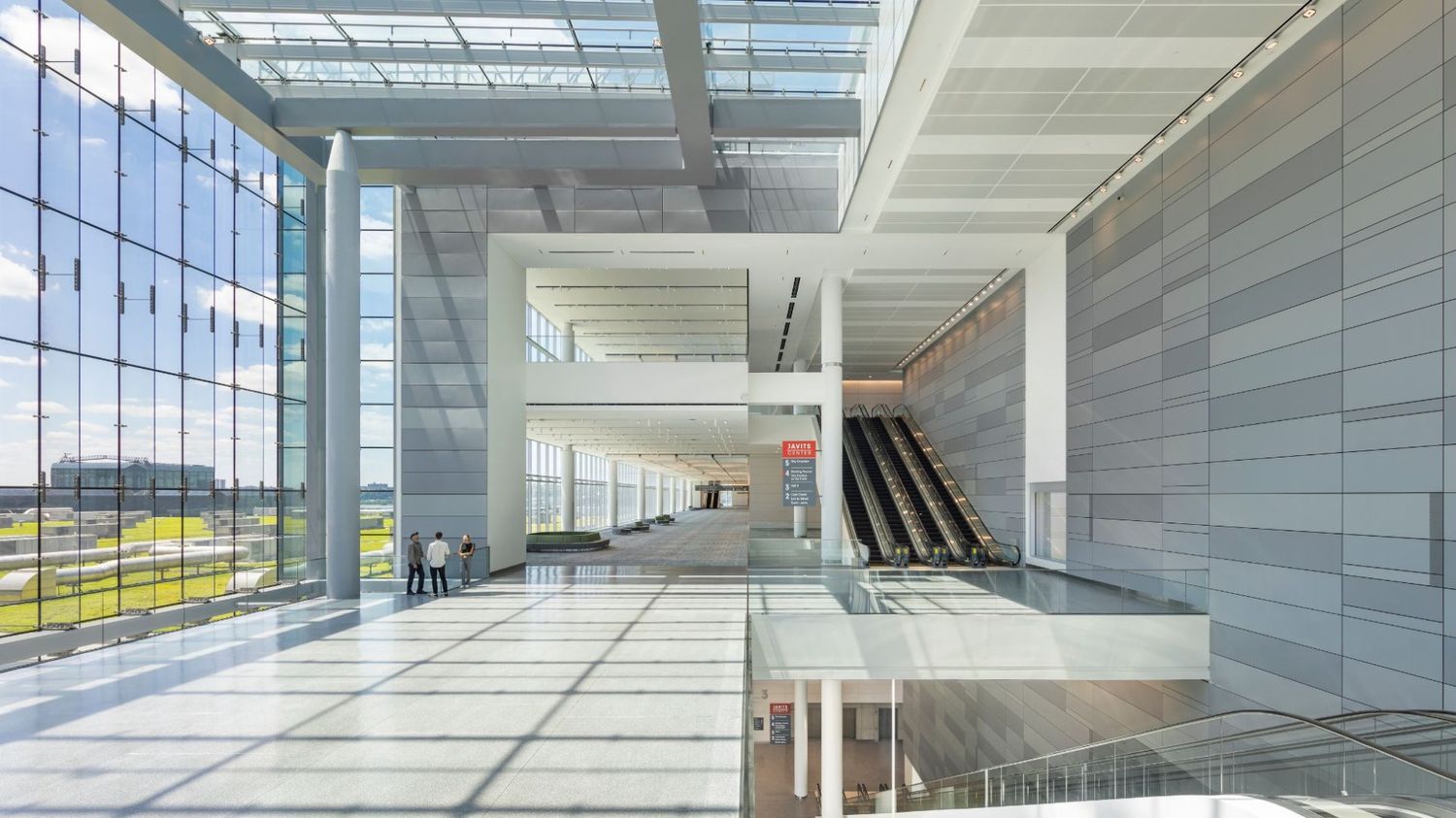
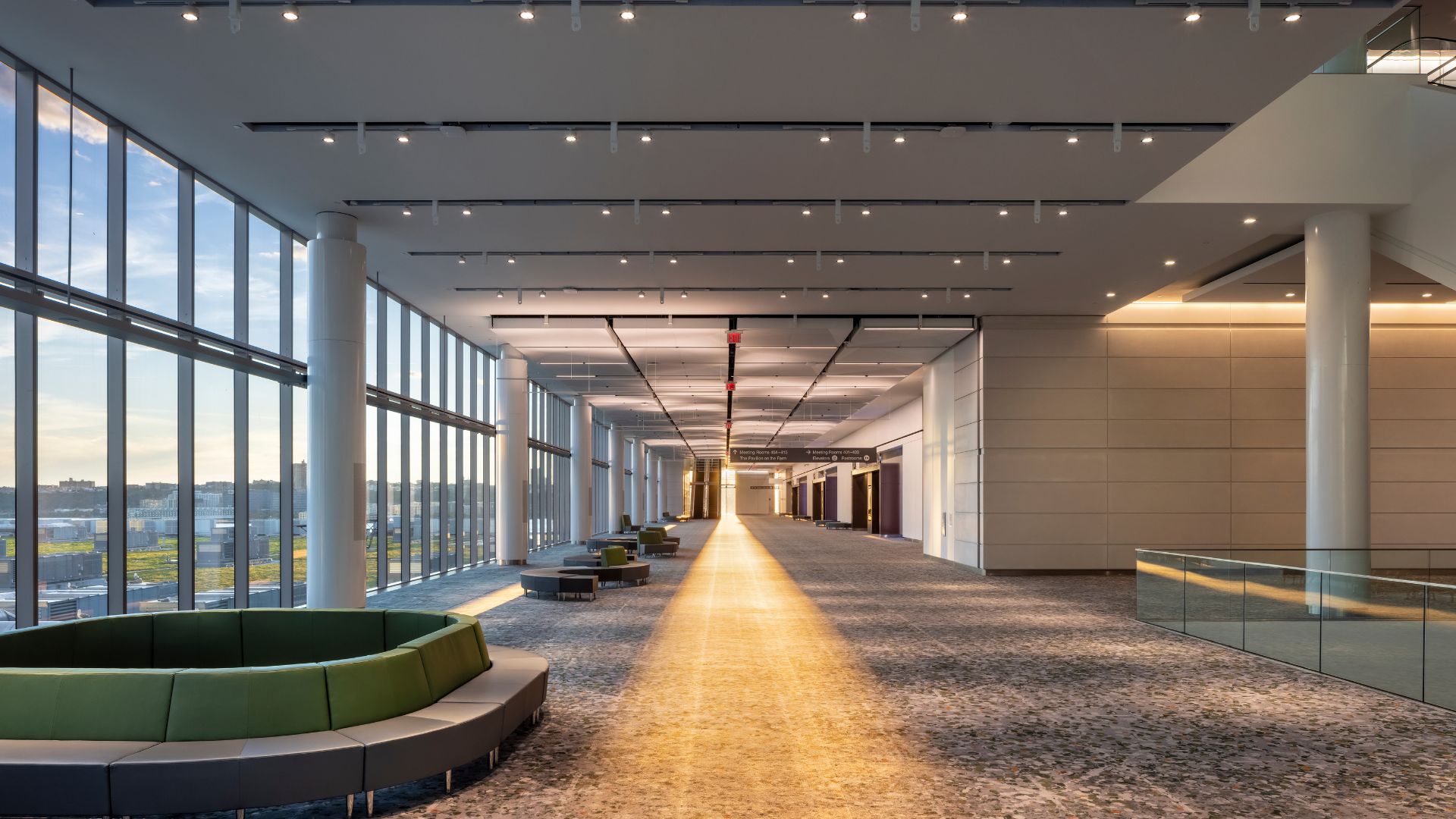
Consolidated Flooring has spent over 80 years installing commercial flooring in high-profile, high-traffic environments across New York, Chicago, and beyond, including convention centers, performing arts venues, and public gathering spaces where appearance and durability are both non-negotiable.
Our team works directly with facility managers, architects, and general contractors to specify, source, and install flooring systems built for the demands of public event environments, on schedules that protect existing bookings and keep venues ready for the next event.

Providing expert consultation to identify flooring systems that balance the aesthetic expectations of event venues with the durability demands of high-frequency public use.

Installing sound-absorbing flooring systems that support the acoustic performance of performing arts venues, conference halls, and multipurpose event spaces.

Scheduling installation around existing event bookings and venue calendars to protect revenue and minimize operational disruption.

Offering moisture-resistant and easy-to-clean flooring solutions for food and beverage areas, catering kitchens, and restroom facilities within event venues.

Conducting on-site assessments to evaluate subfloor conditions, load requirements, and the structural considerations common in large-span event and convention spaces.

Providing durable flooring options engineered to withstand the rolling loads of event equipment, staging systems, and exhibition infrastructure without showing premature wear.

Completing professional subfloor preparation and leveling to support the flat, stable surfaces required for staging, exhibitor booths, and heavy event infrastructure.

Coordinating procurement directly with trusted manufacturers to deliver competitive pricing for public venue operators and municipal event facility budgets.

Supplying slip-resistant, ADA-compliant flooring options for public-facing lobbies, concourses, and accessible routes throughout the venue.

Assisting with documentation for LEED certification, ADA compliance, and sustainability requirements for publicly operated or municipally funded event facilities.
Flooring Types for Public Event Spaces
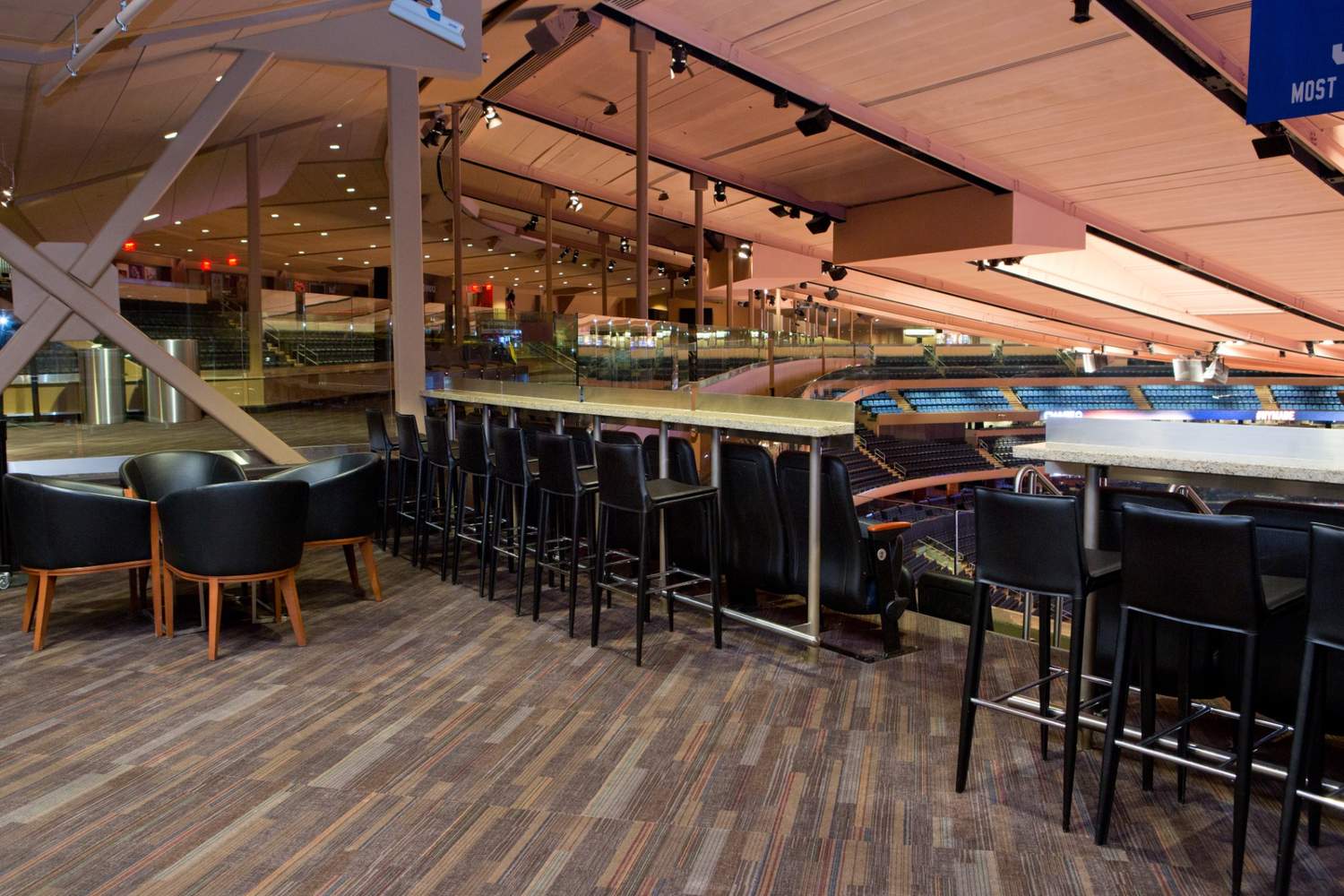
Hardwood and Engineered Wood
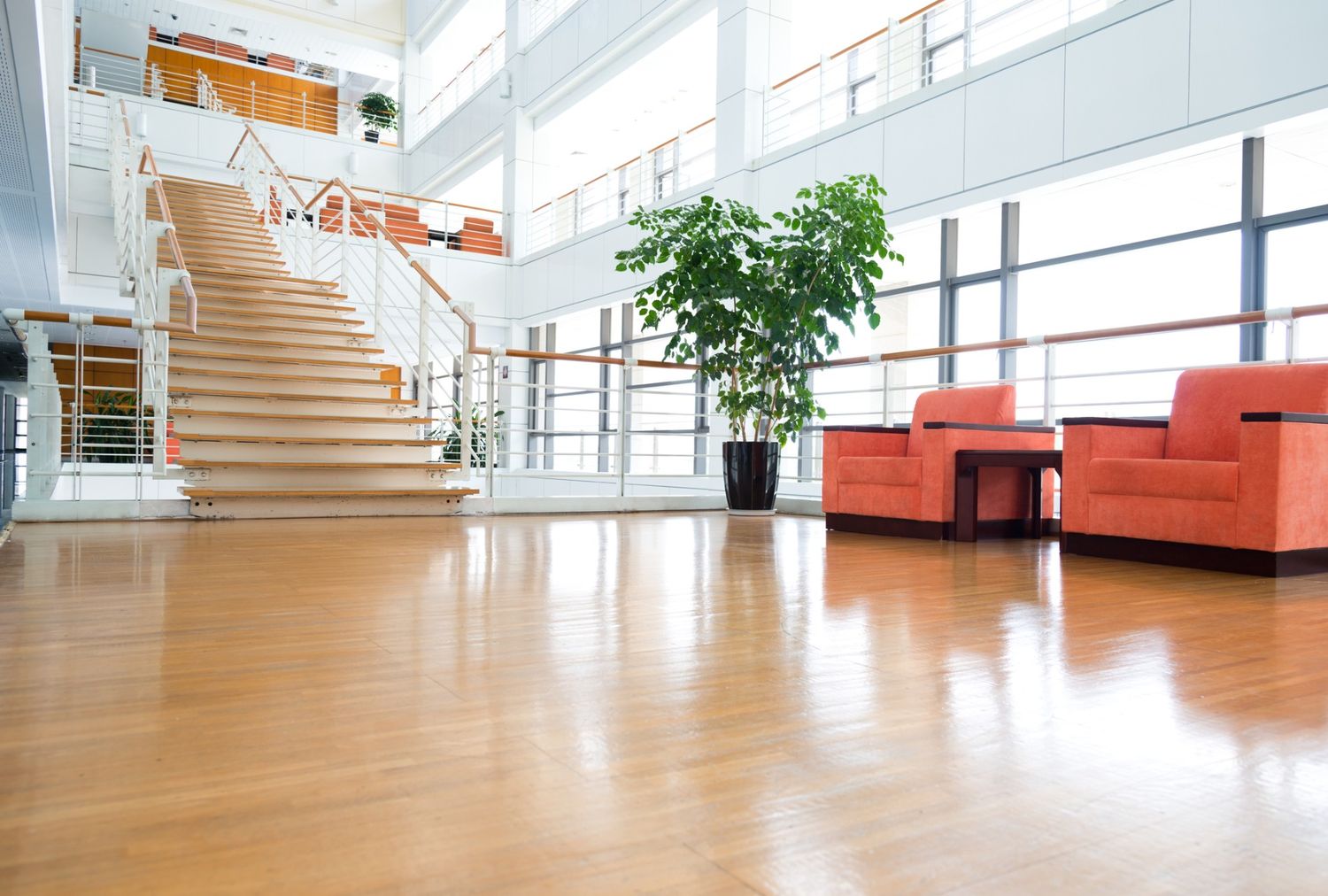
A classic, high-impact surface for ballrooms, performing arts venues, and ceremonial spaces where the floor is as much a part of the event experience as the programming above it.
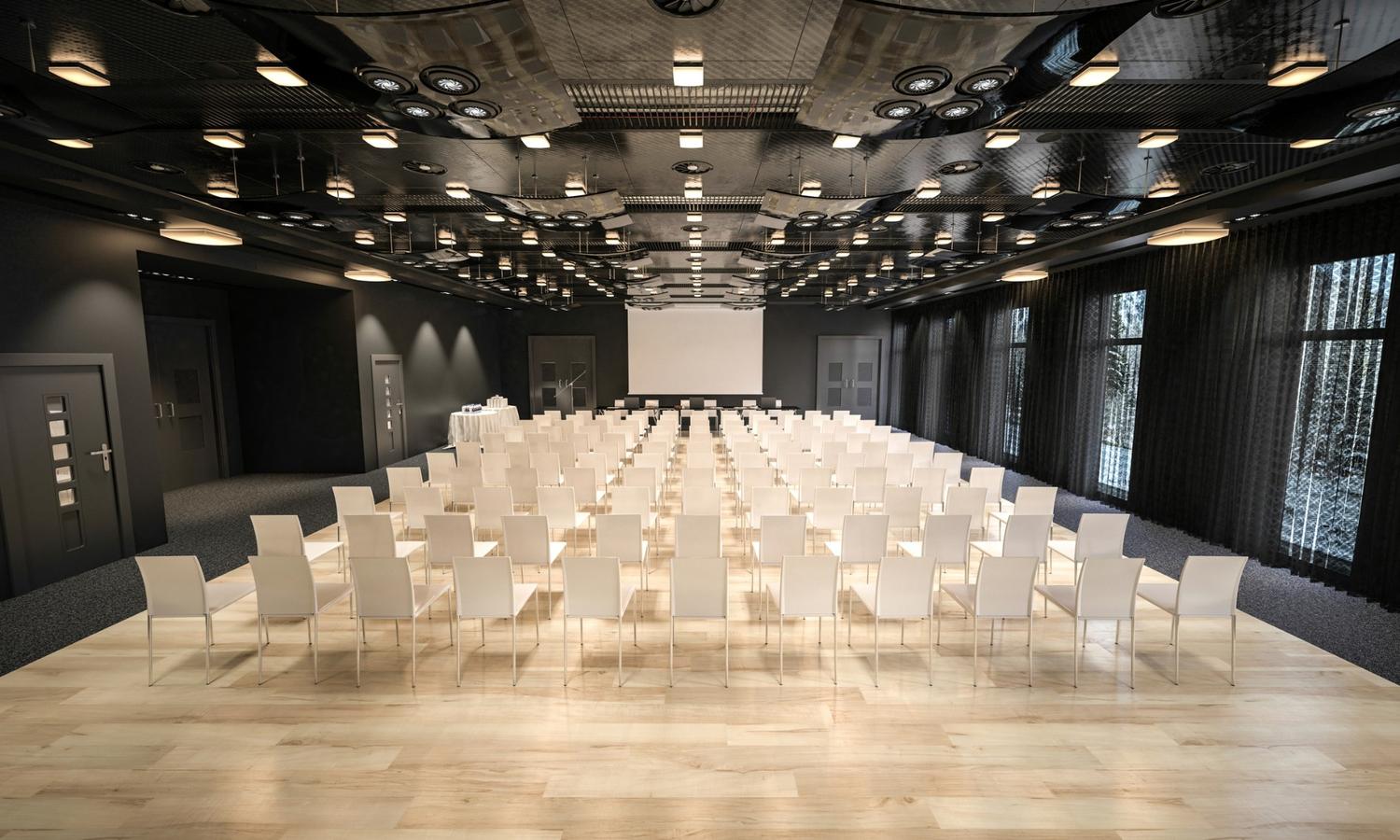
Carpet and Carpet Tile
Sound-absorbing and visually flexible, carpet tile suits conference halls, breakout rooms, and pre-function spaces where acoustic comfort and design adaptability both matter.
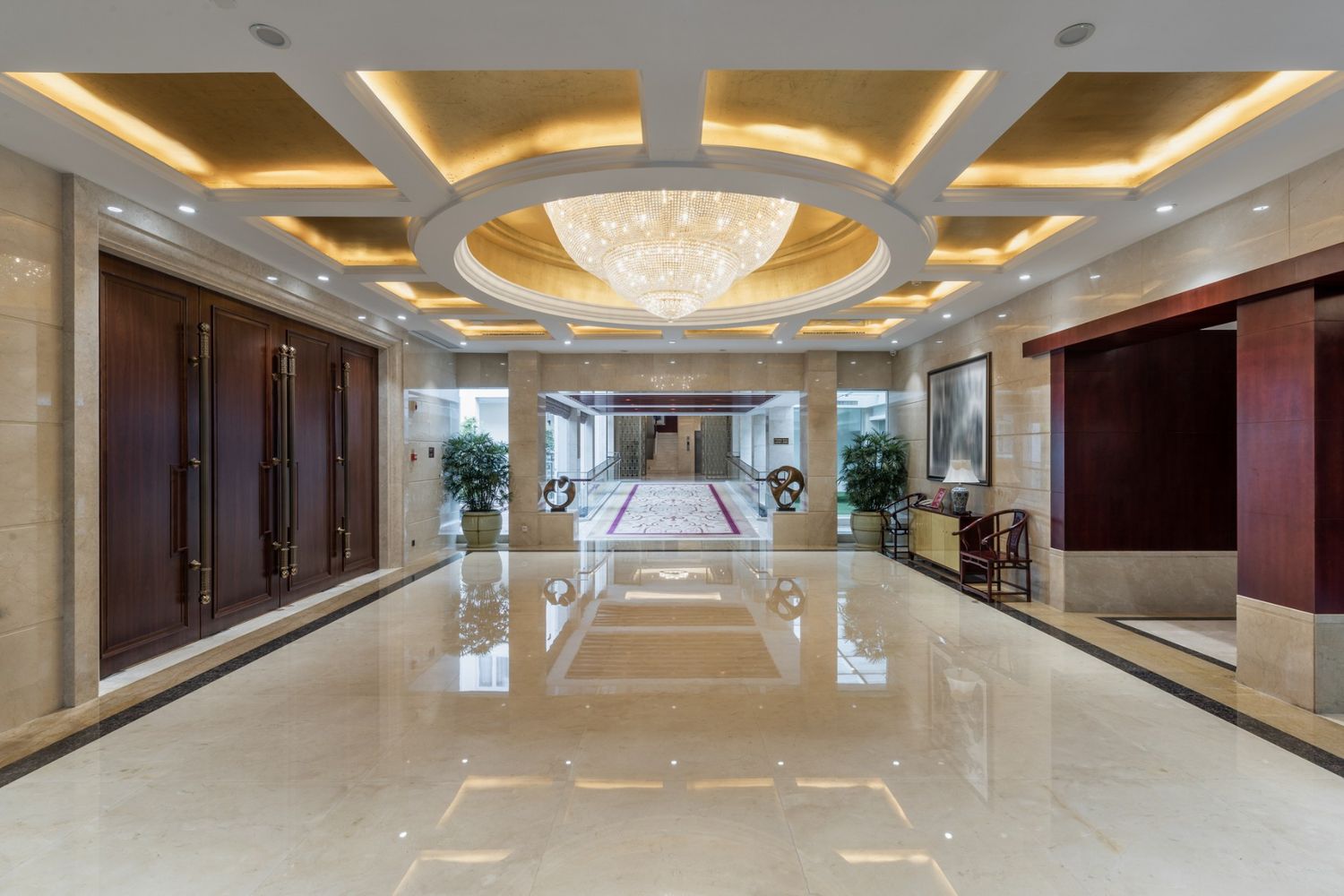
Luxury Vinyl Tile
Durable, easy to maintain, and available in a wide range of finishes, LVT handles the heavy foot traffic of public concourses, lobbies, and multipurpose event halls without showing wear.
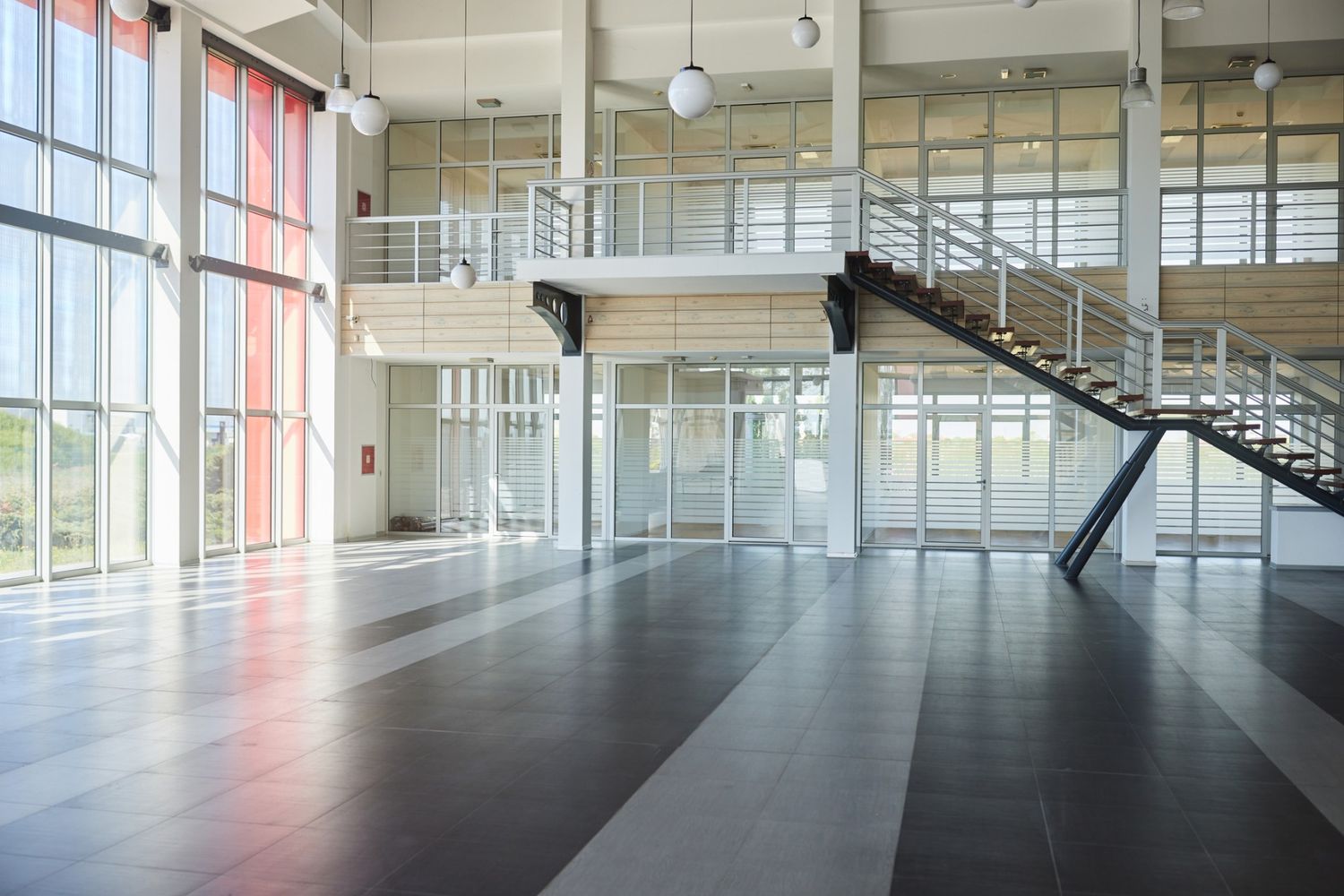
Porcelain and Ceramic Tile
Tough, easy to sanitize, and well suited for high-traffic entries, food and beverage areas, and restroom facilities that see continuous use before, during, and after events.
Resilient Sheet Flooring
A seamless, hygienic option for catering kitchens, service corridors, and back-of-house areas where cleanability and moisture resistance are operational requirements.
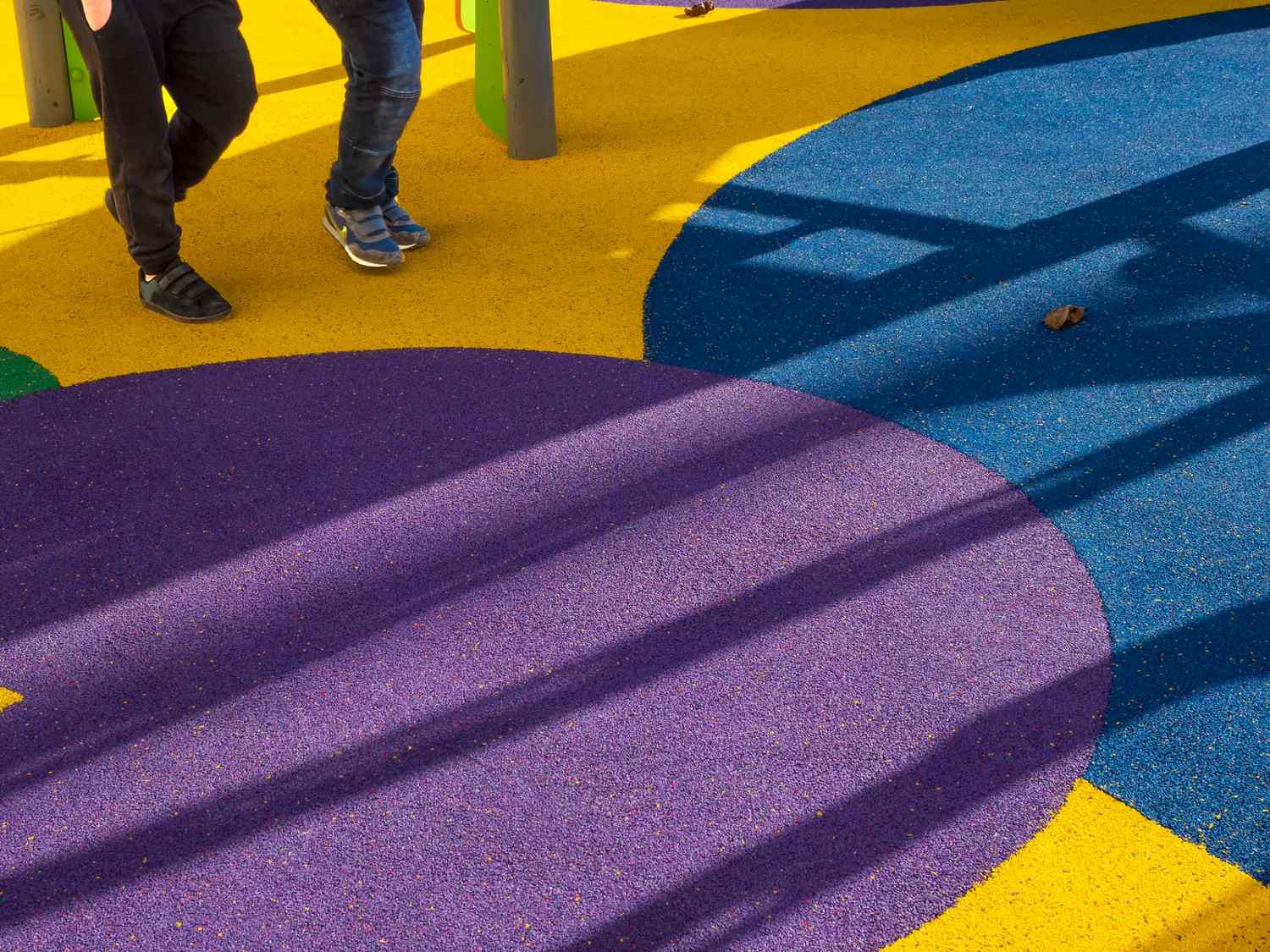
Rubber Flooring
Slip-resistant and cushioned underfoot, rubber is well suited for gymnasiums, recreation areas, and multipurpose halls on religious campuses that host active programming.
Our Work
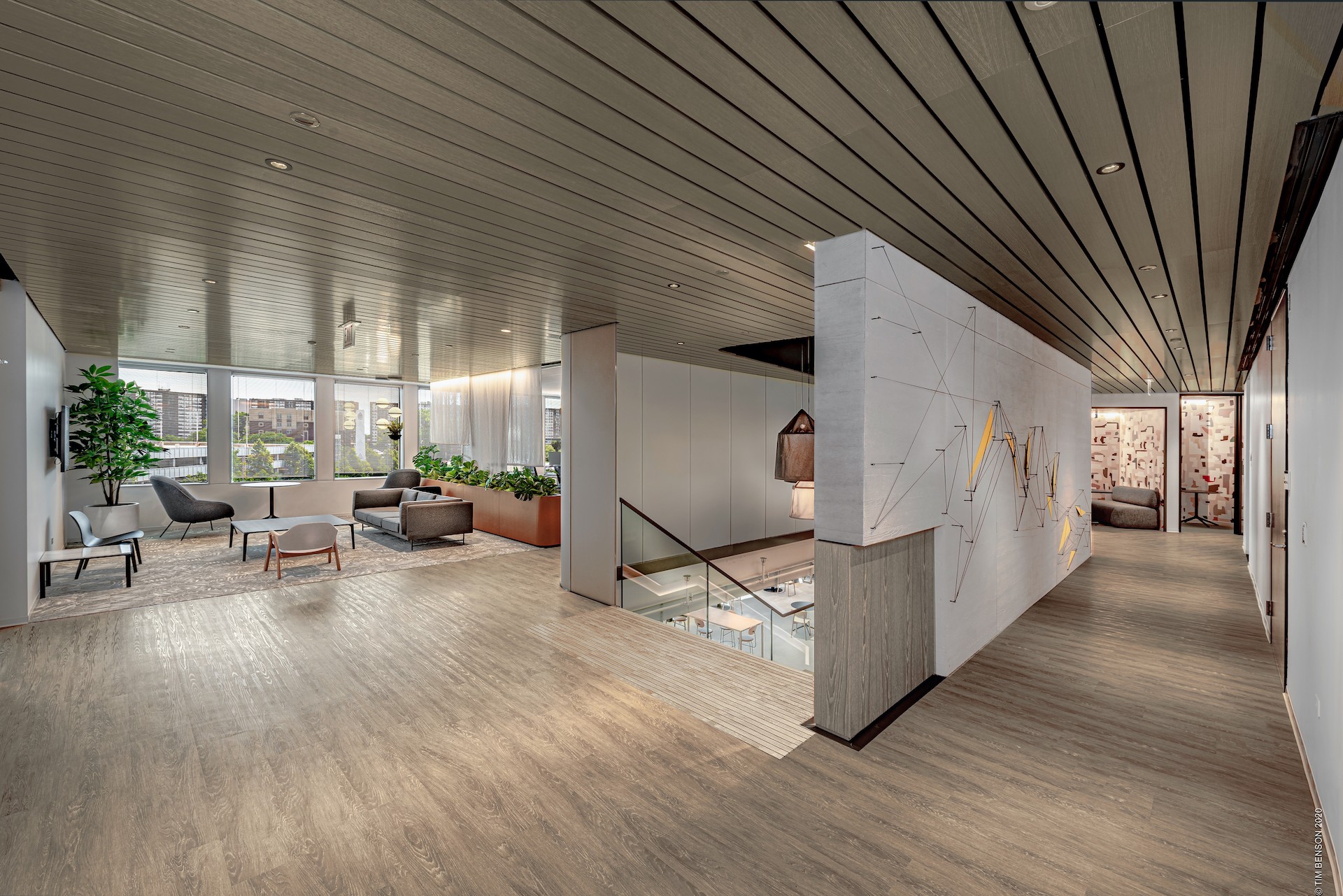
CONSTRUCTION MANUFACTURER
Chicago IL
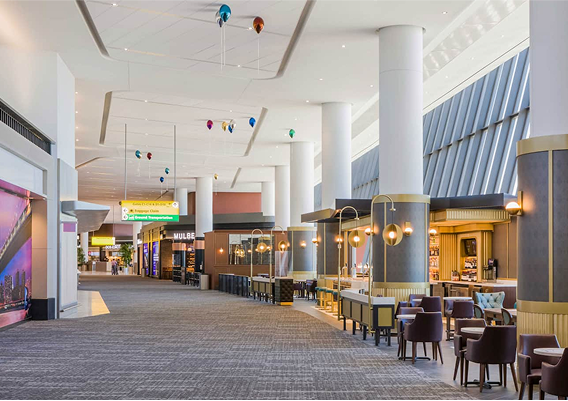
LAGUARDIA AIRPORT
Queens, NY
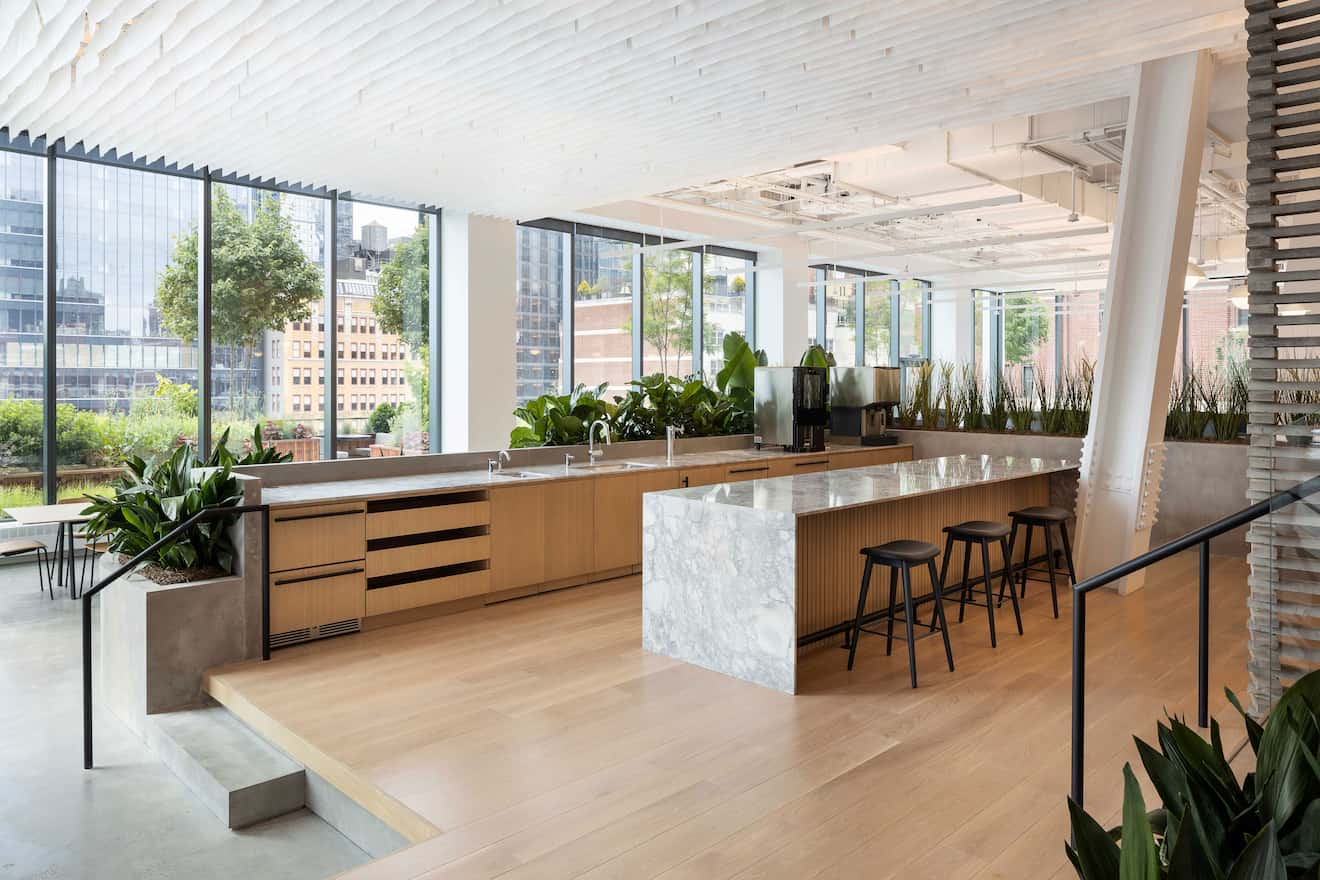
PELOTON
New York, NY
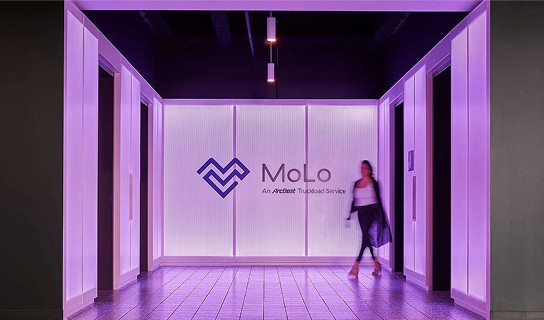
MODERN LOGISTICS
Chicago, IL
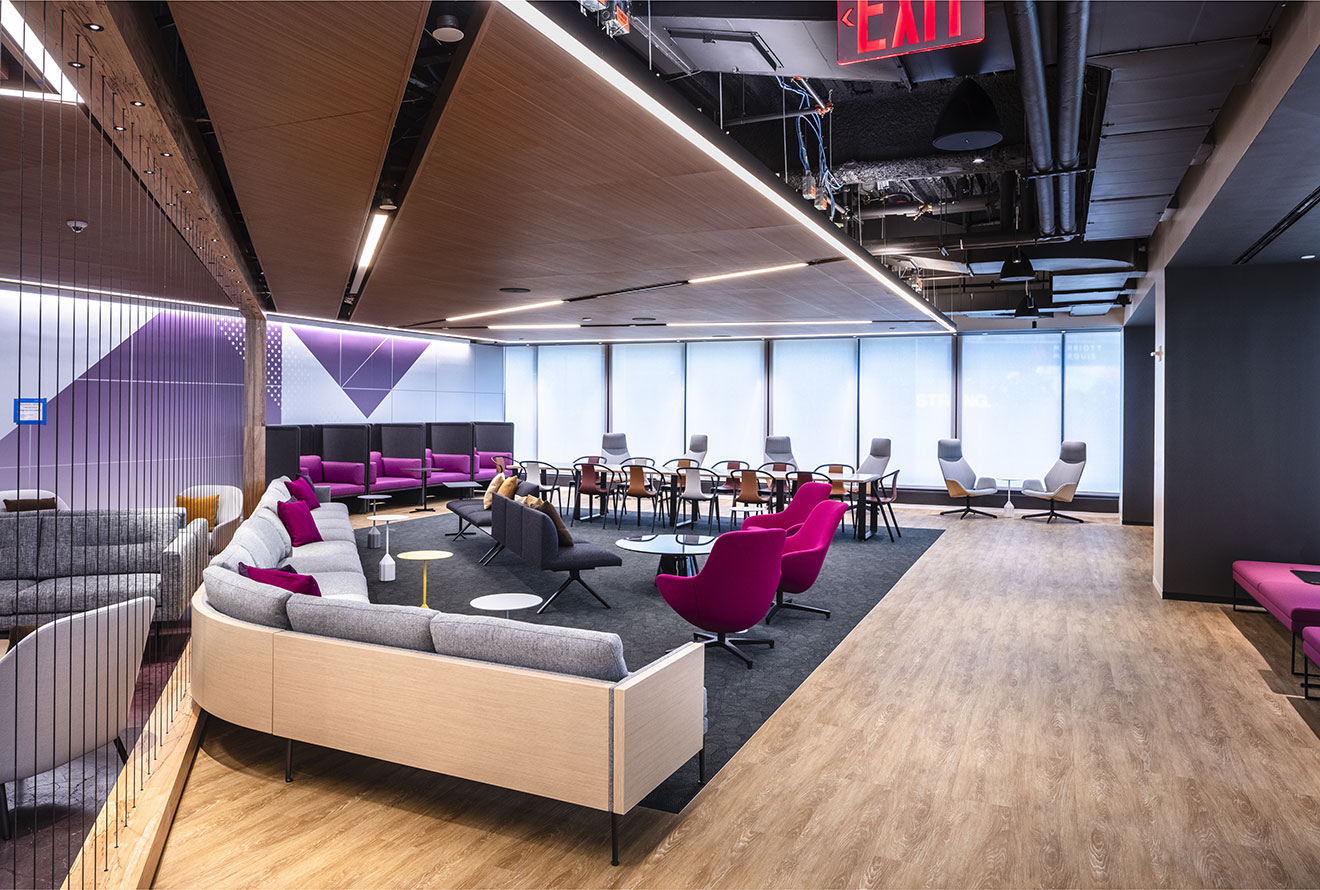
STAGE 8
New York, NY
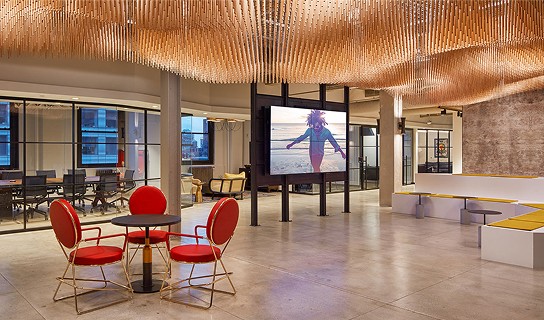
BMG
New York, NY
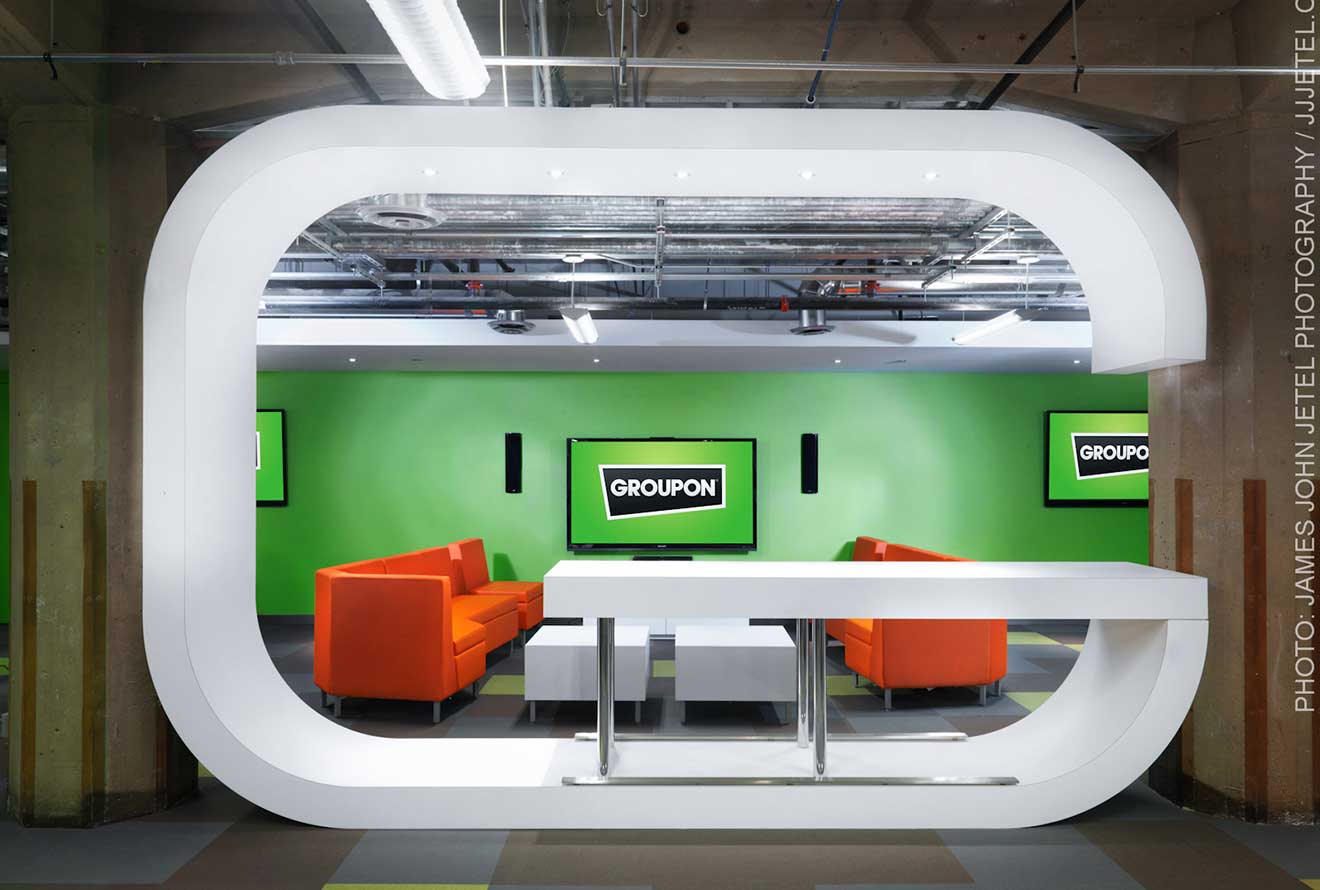
GROUPON
Chicago, IL
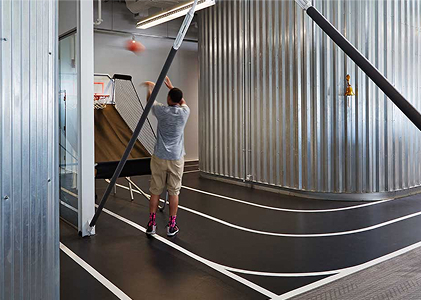
NCSA
Chicago, IL
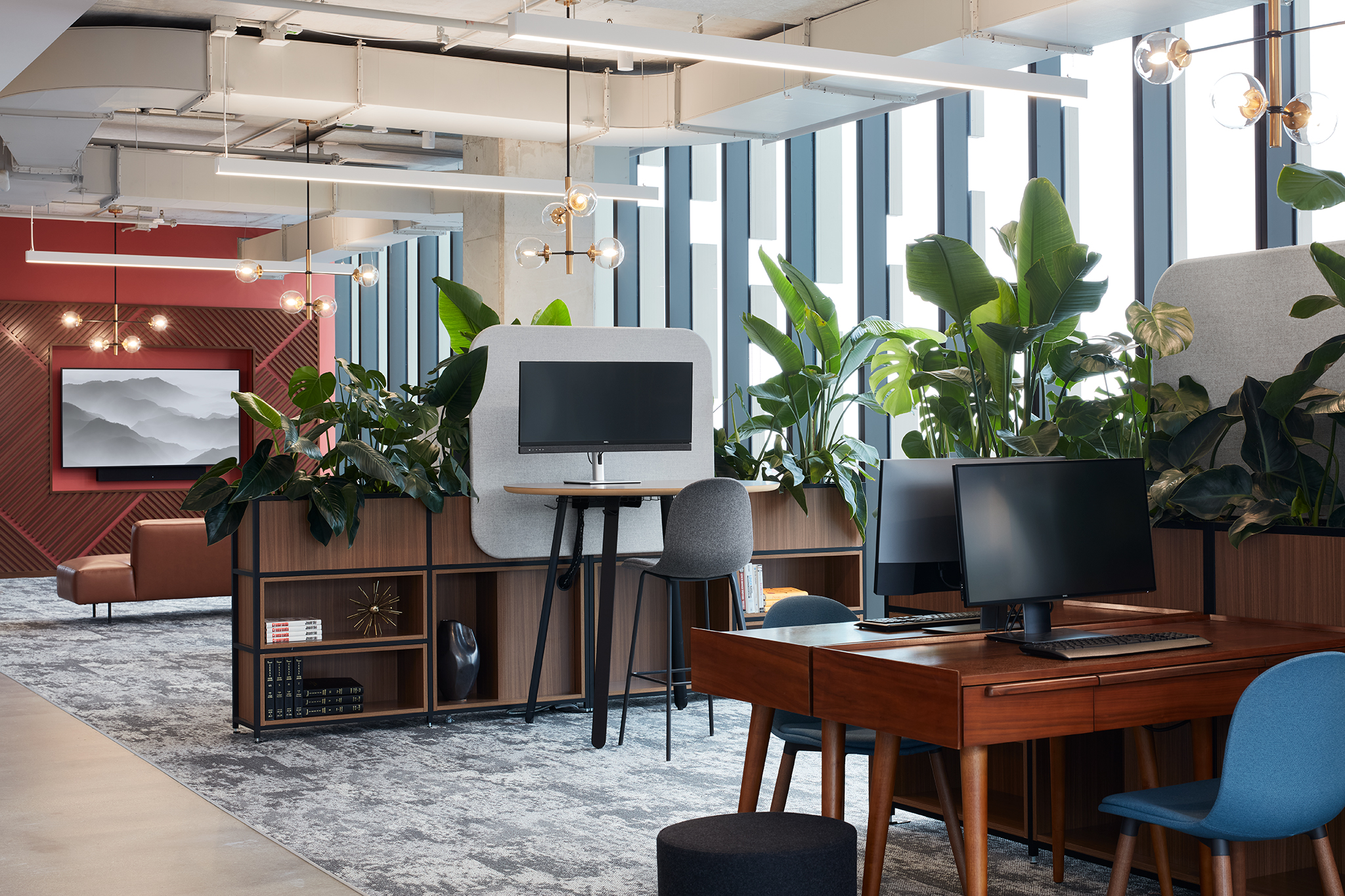
LAW FIRM
Chicago, IL

HAVAS
Chicago, IL
Reach out to us today
We are a family owned Commercial Flooring contractor trusted by contractors, architects and designers for over 80 years.
- Send us an RFP
- Get a quote
- Schedule a Project Walkthrough
We work directly with businesses or through general contractors, architects, and designers.
"*" indicates required fields
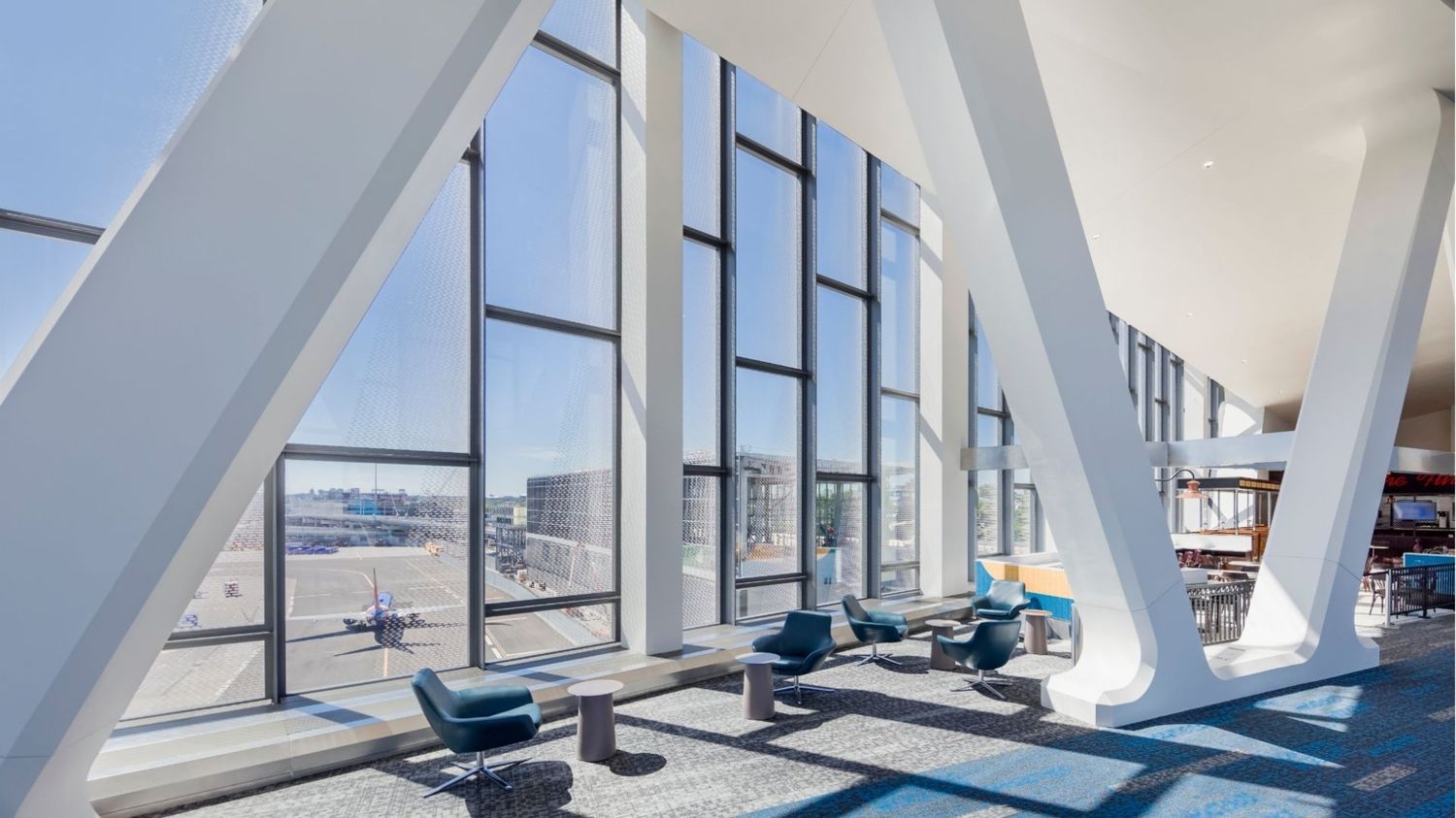
Convention and Exhibition Centers
High-Traffic Floors Built for Trade Shows and Large-Scale Events
Resilient, load-bearing flooring systems that handle exhibitor infrastructure, rolling equipment, and thousands of daily visitors across expansive convention and exhibition floors.
Performing Arts Venues and Theaters
Acoustically Appropriate Floors for Live Performance Spaces
Flooring systems that support the acoustic environment of concert halls, theaters, and performing arts centers while holding up through rehearsals, performances, and frequent public programming.
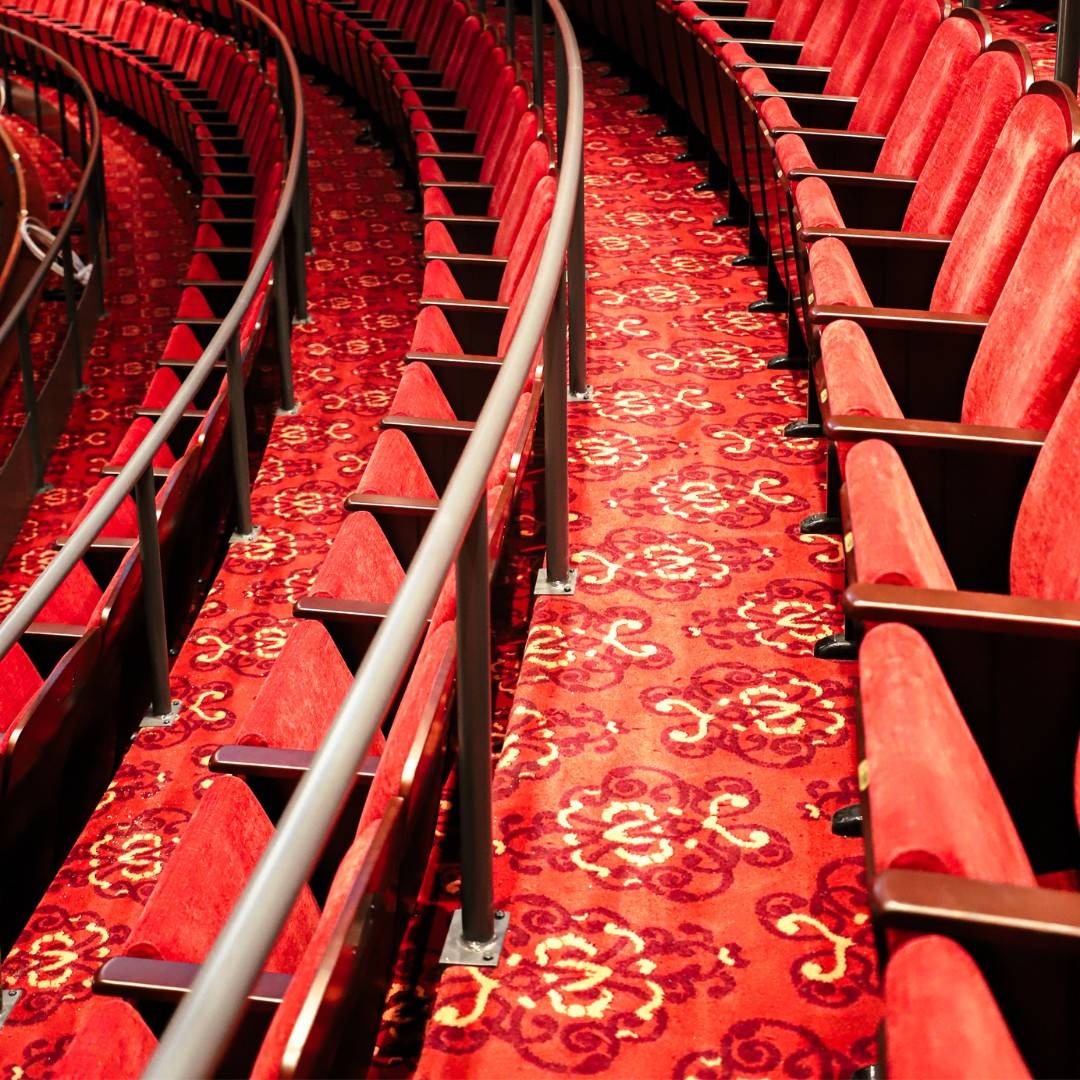
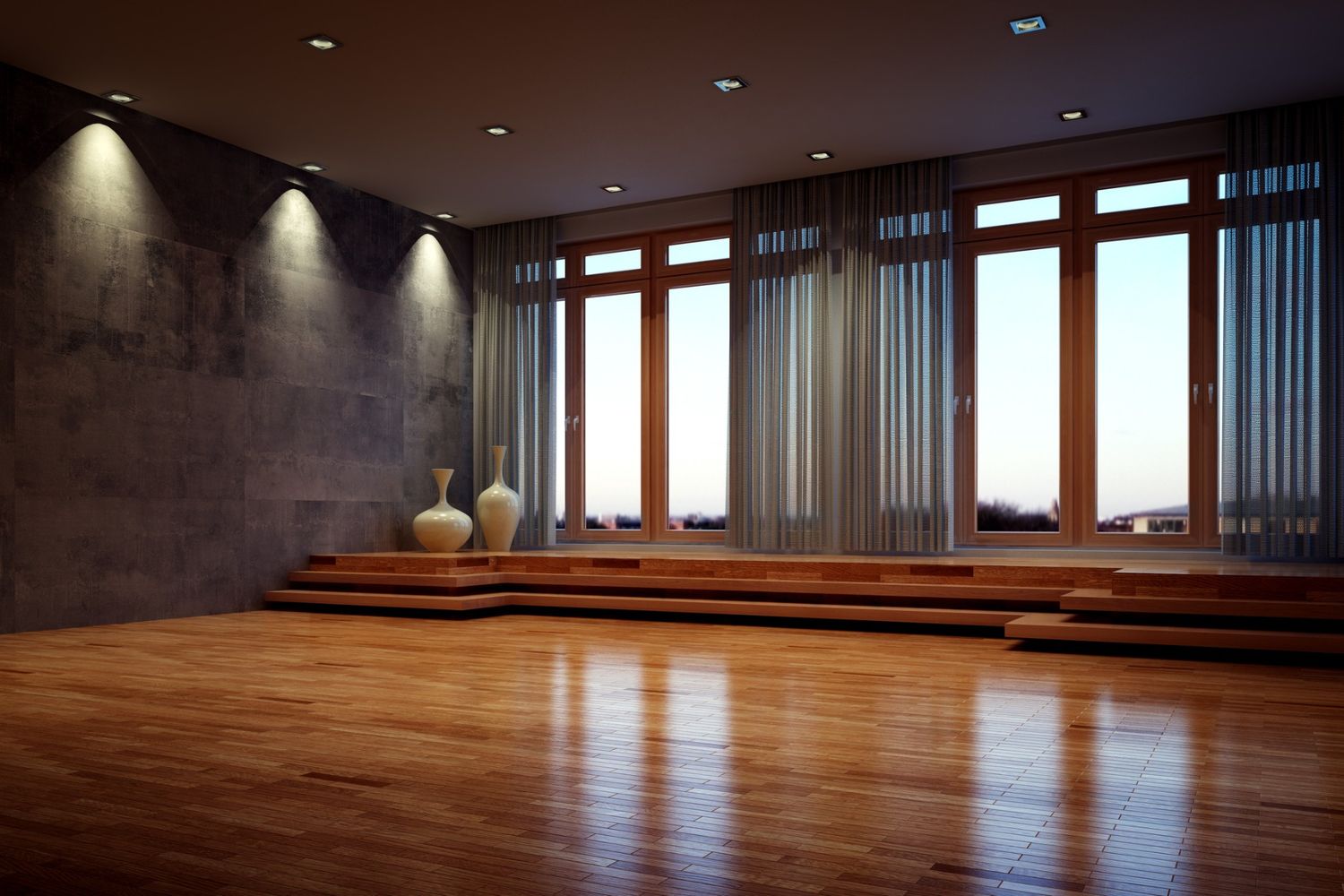
Ballrooms and Banquet Facilities
Elegant, Durable Floors for High-Profile Events
Hardwood, engineered wood, and premium resilient surfaces that deliver the visual impact upscale events demand while standing up to the foot traffic, furniture loads, and cleaning protocols that follow every booking.
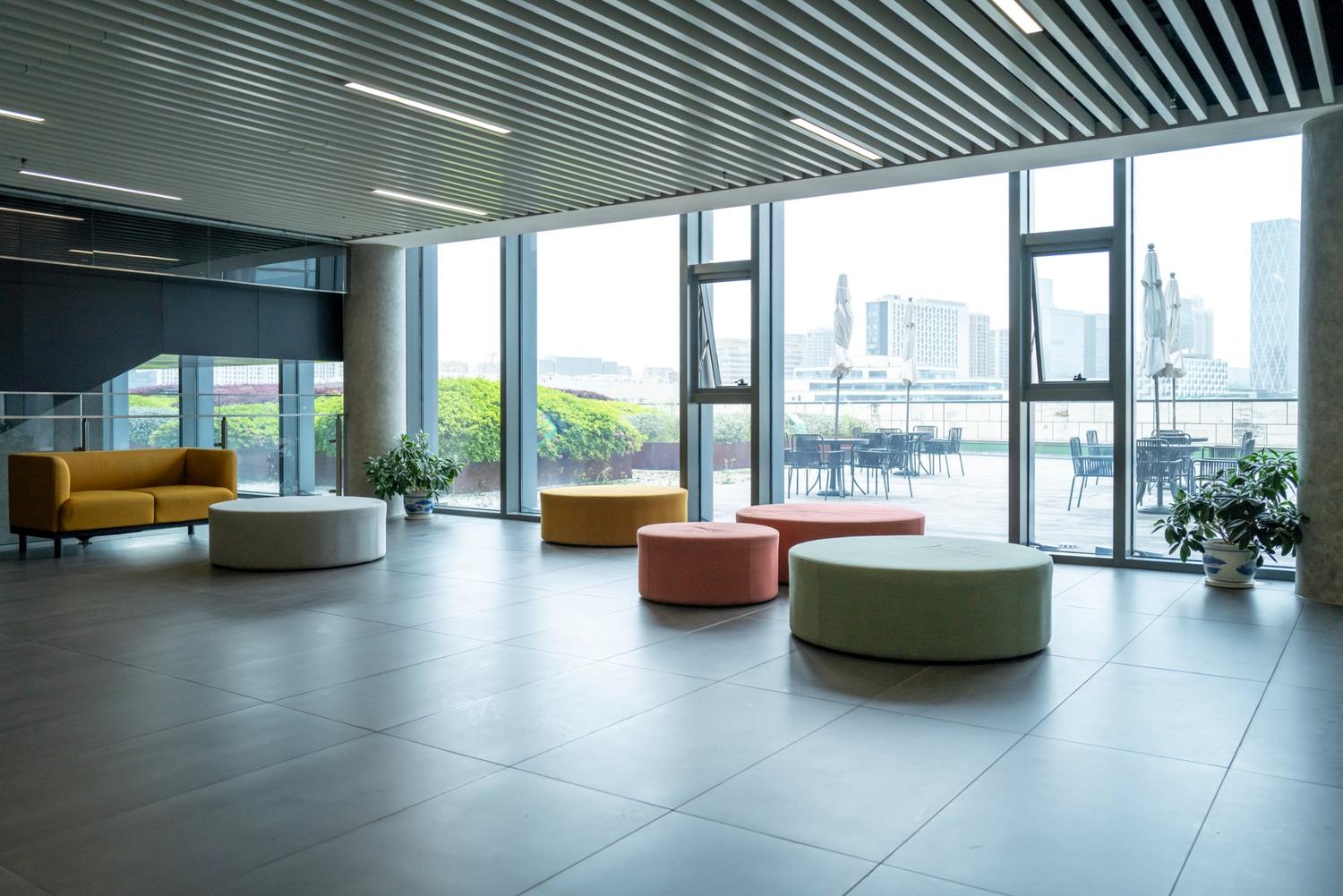
Municipal and Community Event Centers
Versatile Floors for Multipurpose Public Gathering Spaces
Durable, easy-to-maintain flooring systems that support the full range of community programming, from public meetings and fitness classes to cultural events and civic celebrations.
Reach out to us today
We are a family owned Commercial Flooring contractor trusted by contractors, architects and designers for over 80 years.
- Send us an RFP
- Get a quote
- Schedule a Project Walkthrough
We work directly with businesses or through general contractors, architects, and designers.
"*" indicates required fields
Frequently asked questions
What Types of Commercial Flooring Work Best in Public Event Spaces?
The right flooring for public event spaces depends on the specific demands of each zone, and most venues need more than one solution. A ballroom that hosts seated dinners on Wednesday and a standing reception on Friday calls for flooring that performs across completely different use cases without showing wear.
Luxury vinyl tile for event spaces is one of the strongest performers we spec. It’s water-resistant, handles rolling loads and high heels without indentation, and comes in wood, stone, and pattern looks that photograph beautifully for marketing materials. For conference center flooring and breakout rooms, carpet tile and broadloom deliver acoustic comfort and a warmer feel underfoot during long programming stretches.
Pre-function corridors, lobbies, and back-of-house circulation routes benefit from resilient sheet goods or epoxy-based hard surfaces that hold up to continuous foot traffic and cleaning cycles with minimal maintenance. The best approach for most venues is zone-by-zone specification: different surfaces for the main event floor, the stage area, pre-function spaces, and service corridors.
How Does Flooring Hold up to the Demands of Continuous Event Turnover?
Event venues are among the most demanding commercial environments for flooring. In a single week, the same floor may absorb cocktail-hour heels, banquet chair drag, rolling AV carts, and repeated wet-mopping between events. Standard commercial-grade products aren’t always built for that combination.
Wear layer thickness is a primary spec consideration. For hard-surface areas, a 20-mil or higher wear layer in LVT resists scuffing, staining, and surface degradation through high-cycle use. For soft-surface areas, solution-dyed nylon fiber and commercial carpet tile for venues with high TARR (Texture Appearance Retention Rating) ratings hold their appearance longer under heavy traffic than piece-dyed alternatives.
Subfloor preparation matters as much as the product itself. Proper floor leveling and moisture mitigation before any surface installation can extend the life of the finished floor significantly. We handle both in-house through our floor leveling division, so there’s no gap between prep and product.
How Do You Schedule a Flooring Project Without Disrupting an Active Event Calendar?
This is the number-one concern we hear from venue operators, and it’s a legitimate one. Our approach is to work from your booking calendar, not around it. We identify blackout windows, prioritize rooms by revenue impact, and build an accelerated project timeline that keeps as much of the facility operational as possible throughout.
Phased installation by room or zone is standard practice for active venues. We’ve completed full ballroom replacements during a multi-week conference series by sequencing work around the event schedule. Fast-cure adhesives and, where appropriate, click-system products reduce cure time so rooms return to service sooner.
For ongoing accounts, we maintain an inventory of your selected materials after installation, so spot repairs and seam touch-ups can be turned around quickly between events without waiting on material orders. The goal is that your guests never know work was done.
What Should I Look for in Acoustic Performance When Choosing Event Venue Flooring?
Sound control is one of the most underspecified performance factors in event venue flooring, and it has real operational consequences. In multi-room facilities or stacked venues, impact noise travels. Footfall from an event on one floor becomes interference in the room below.
IIC (Impact Insulation Class) ratings measure how well a floor assembly reduces impact noise transmission between levels. Higher IIC values translate directly to better sound separation. For hard-surface areas where acoustic performance is a concern, underlayments and cushion-back systems can be layered in without compromising the surface aesthetic.
Carpet tile and cushion-backed broadloom absorb ambient sound and reduce foot-fall noise, making them a strong specification for conference center flooring, breakout rooms, and pre-function areas where conversations need to stay contained. We factor acoustic requirements into every venue specification, not as an afterthought but as part of the initial site assessment.
Is Slip-Resistant Flooring Required for Commercial Event Spaces?
Slip resistance in event venues is both a code compliance issue and a liability exposure. Lobbies, pre-function areas, and any surface adjacent to food and beverage service are particularly high-risk zones. Tracked moisture, spills, and high-heel traffic create conditions that standard flooring specifications don’t always account for.
Coefficient of Friction (COF) ratings should factor into product selection for all transition zones and wet-adjacent surfaces. Slip-resistant commercial flooring options, including textured LVT, rubber tile, and homogeneous sheet goods, can meet or exceed code thresholds while still delivering the finish quality a premium venue demands.
Walk-off carpet, mats, and entry mat systems reduce tracked moisture before it reaches primary floor surfaces. In kitchen and service areas, flash cove base creates a seamless transition between floor and wall that eliminates moisture traps and simplifies cleaning. We spec these systems as part of a complete venue solution, not as add-ons.
How Does Carpet Compare to Hard Surface Flooring for a Ballroom or Multi-Use Event Space?
The honest answer is that neither wins outright. The best choice depends on your event mix. Carpet delivers comfort, warmth, and acoustic softness that hard surfaces can’t match. For extended standing events, seated dinners, and conference-style programming, guests are on their feet for hours, and a cushioned surface makes a real difference in how the space feels.
Hard surface options, such as LVT, engineered hardwood, or decorative concrete, offer a cleaner aesthetic and handle AV equipment, dancing, and frequent furniture reconfiguration without the surface wear that carpet accumulates over time. They’re also easier to clean after catered events.
Many of the best venues we work with use both, selecting carpet for breakout and pre-function areas for comfort and noise control, and opting for a hard surface in the main ballroom for visual impact and versatility. Printed carpet and custom-pattern options also give venues the ability to incorporate branding or design identity directly into the floor. This is a differentiator that photographs well and adds to the overall event experience.
What Sustainability Standards Should a Commercial Flooring Dealer Be Able To Support?
Sustainability requirements for event venues have become more specific over the past several years, driven by ownership mandates, tenant expectations, and LEED certification goals. A flooring dealer working in this space needs to do more than offer a few recycled-content options.
LEED-certified projects require product transparency documentation, low-VOC adhesive specifications, and sourcing data that supports credit submissions. We maintain that documentation and can support LEED GA and LEED AP-level specification needs. Cradle to Cradle certified products, reclamation programs, and landfill diversion options, including ReEntry carpet reclamation, help venues meet sustainability reporting requirements at the project level.
On the product side, PVC-free flooring options, recycled-content carpet backing such as CQuestGB, and low-VOC adhesives contribute to both indoor air quality and environmental reporting. We’re also a member of USGBC and work actively within that framework, so sustainability isn’t a checkbox for us. It’s built into how we specify.
What Does the Process Look Like From Specification Through Installation for a Large Event Space?
You can start the process at Consolidated Flooring by scheduling a site assessment and specification consultation. We will evaluate subfloor conditions, moisture levels, traffic patterns, acoustic requirements, and your event calendar before recommending any products. That information shapes the entire specification, from surface selection to adhesive system to subfloor prep sequence.
Estimating and product sales are handled in-house. You’ll work directly with our team from specification through job completion. We don’t broker out. Our floor leveling division handles all subfloor prep, including skim coat, floor pouring, lightweight concrete, and gypsum-based leveling, before any surface product goes down. That continuity matters for large-scale venue projects where prep quality directly affects finished floor performance.
After installation, we’ll provide initial maintenance protocols for your facilities team and, for ongoing accounts, we can support routine flooring maintenance, restorative cleaning, and spot repair between events. The goal is a flooring program that’s built to last, not a one-time project with no follow-through.