Commercial Flooring Solutions for Religious Facilities
Trusted by





Why Religious Facilities Trust Consolidated Flooring
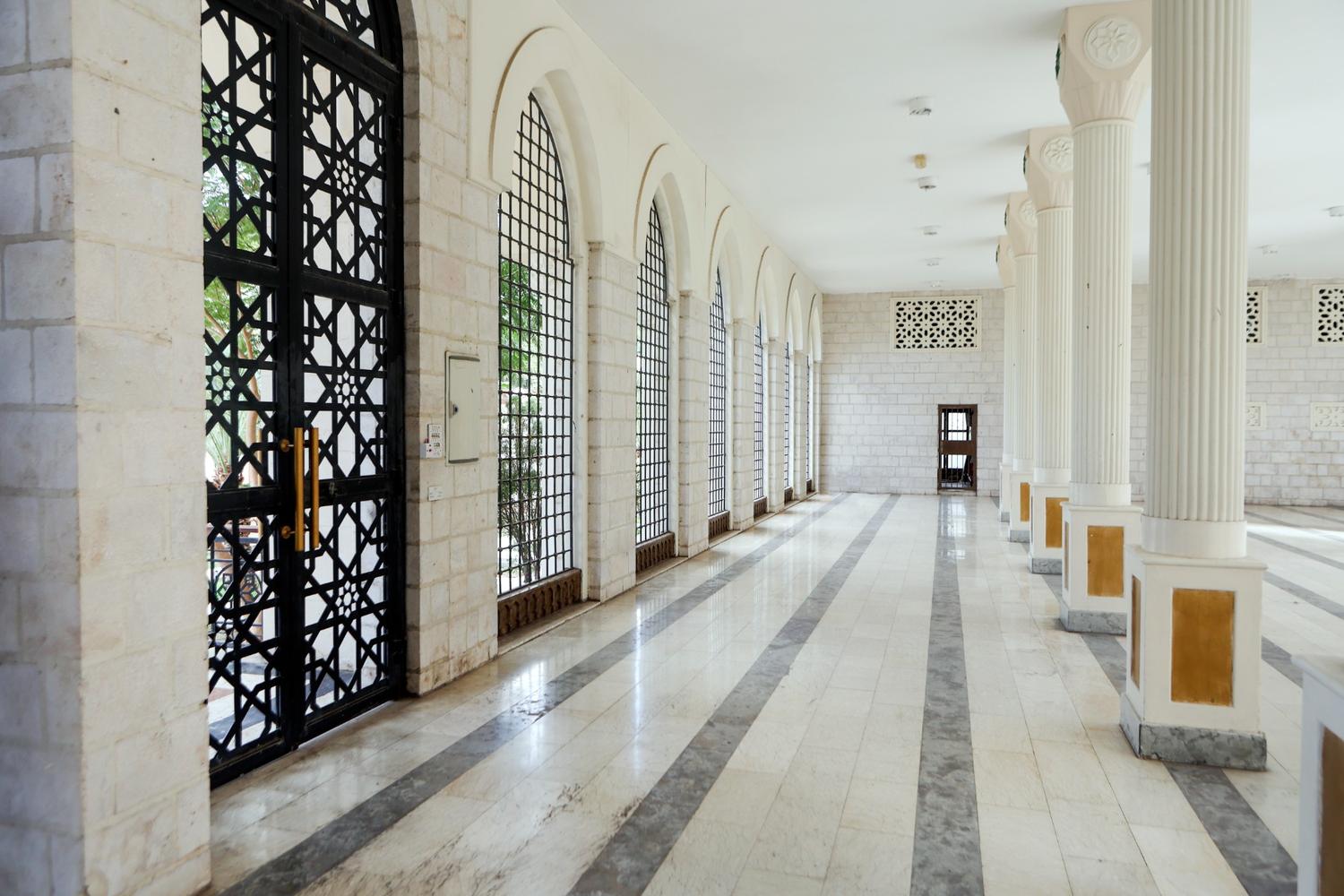
Houses of worship, faith-based schools, and religious community centers serve their congregations every day of the week, which means the floors inside them need to hold up through constant use while respecting the dignity and character of the space.
Consolidated Flooring has spent over 80 years installing commercial flooring in institutional environments across New York, Chicago, and beyond, including spaces where aesthetics, acoustics, and reverence for the architecture are all part of the specification.
Our team works directly with facility managers, contractors, and architects to identify, source, and install flooring systems that meet the functional demands and design sensibilities of religious spaces, on schedules that keep congregations worshipping and programming uninterrupted throughout the process.

Providing expert consultation to recommend flooring that honors the architectural character and acoustic requirements of sanctuaries, chapels, and worship halls.

Installing sound-absorbing flooring systems that support the acoustic environment of worship spaces without disrupting existing design intent.

Scheduling installation around worship services, religious holidays, and community programming to keep facilities open and congregations undisturbed.

Offering moisture-resistant flooring solutions for lower levels, commercial kitchens, and restroom facilities attached to religious campuses.

Conducting on-site assessments to evaluate subfloor conditions, load requirements, and the structural considerations common in older religious buildings.

Providing maintenance and repair programs that extend floor life and protect facilities operating on nonprofit or faith-based budgets.

Completing professional subfloor preparation and leveling to support long-term floor performance in high-traffic narthexes, fellowship halls, and educational wings.

Coordinating procurement directly with trusted manufacturers to deliver competitive pricing for religious organizations managing capital improvement projects.

Supplying slip-resistant, ADA-compliant flooring options for accessible routes, entries, and public-facing spaces throughout the facility.

Assisting with documentation for ADA compliance, code requirements, and sustainability certifications required for religious facility renovations and new construction.
Flooring Types for Religious Facilities
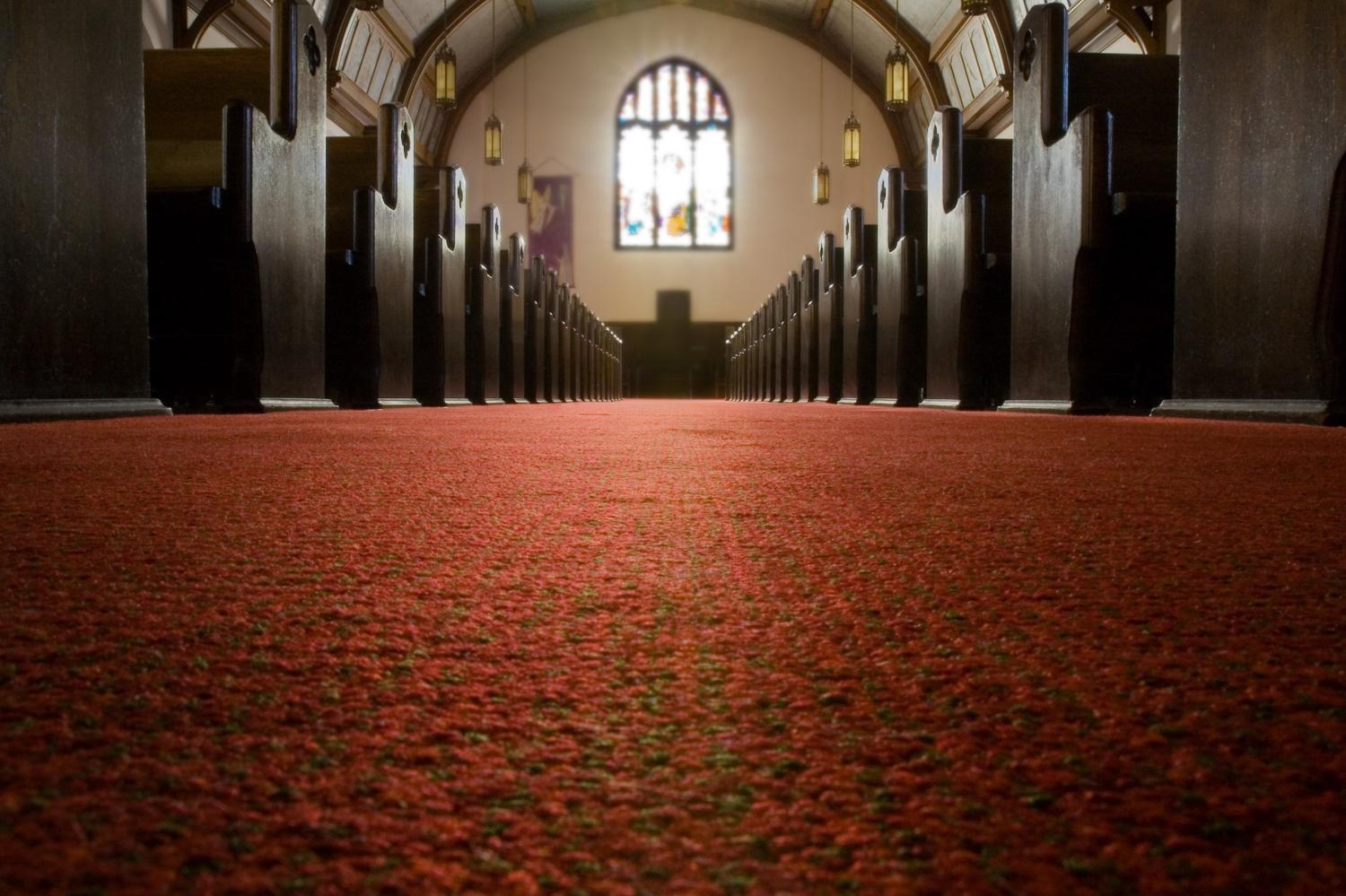
Carpet and Carpet Tile
A consistent choice for sanctuaries, chapels, and worship halls where sound absorption, comfort underfoot, and visual warmth are all part of the specification.
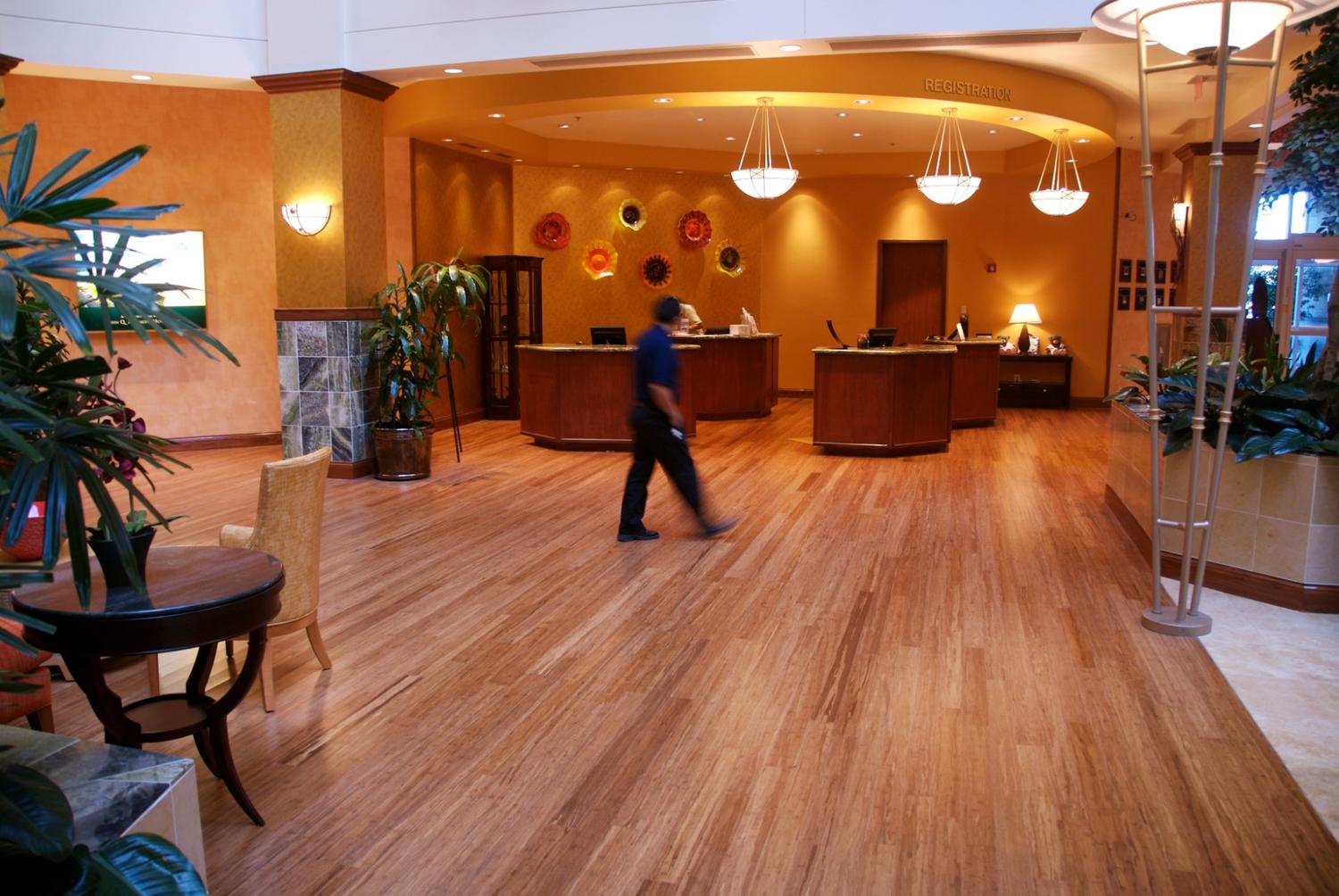
Hardwood and Engineered Wood
Brings timeless character and warmth to narthexes, fellowship halls, and ceremonial spaces where the architecture calls for a traditional, dignified surface.
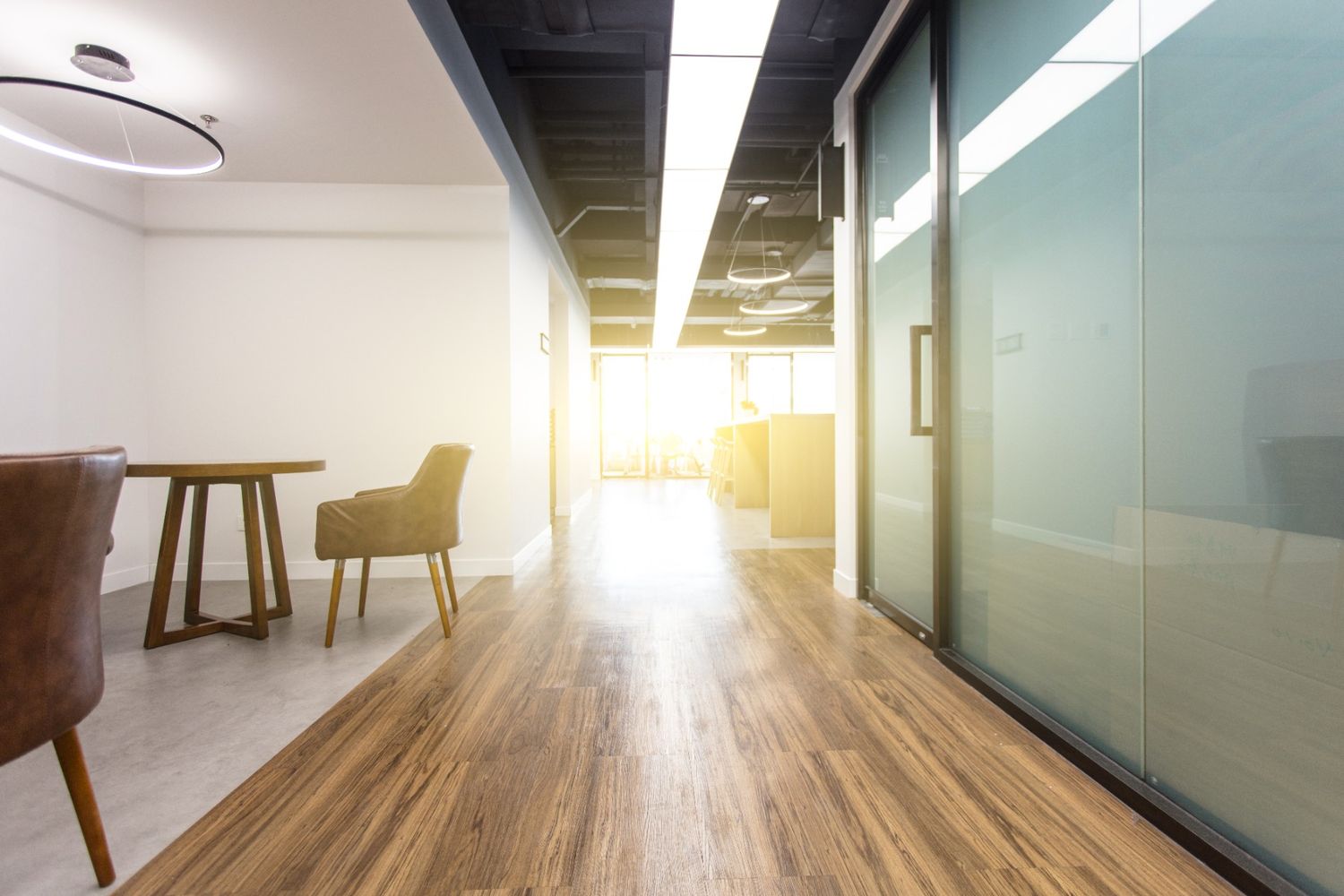
Luxury Vinyl Tile
Durable, easy to maintain, and available in a wide range of styles that work across educational wings, administrative offices, and multipurpose community spaces.
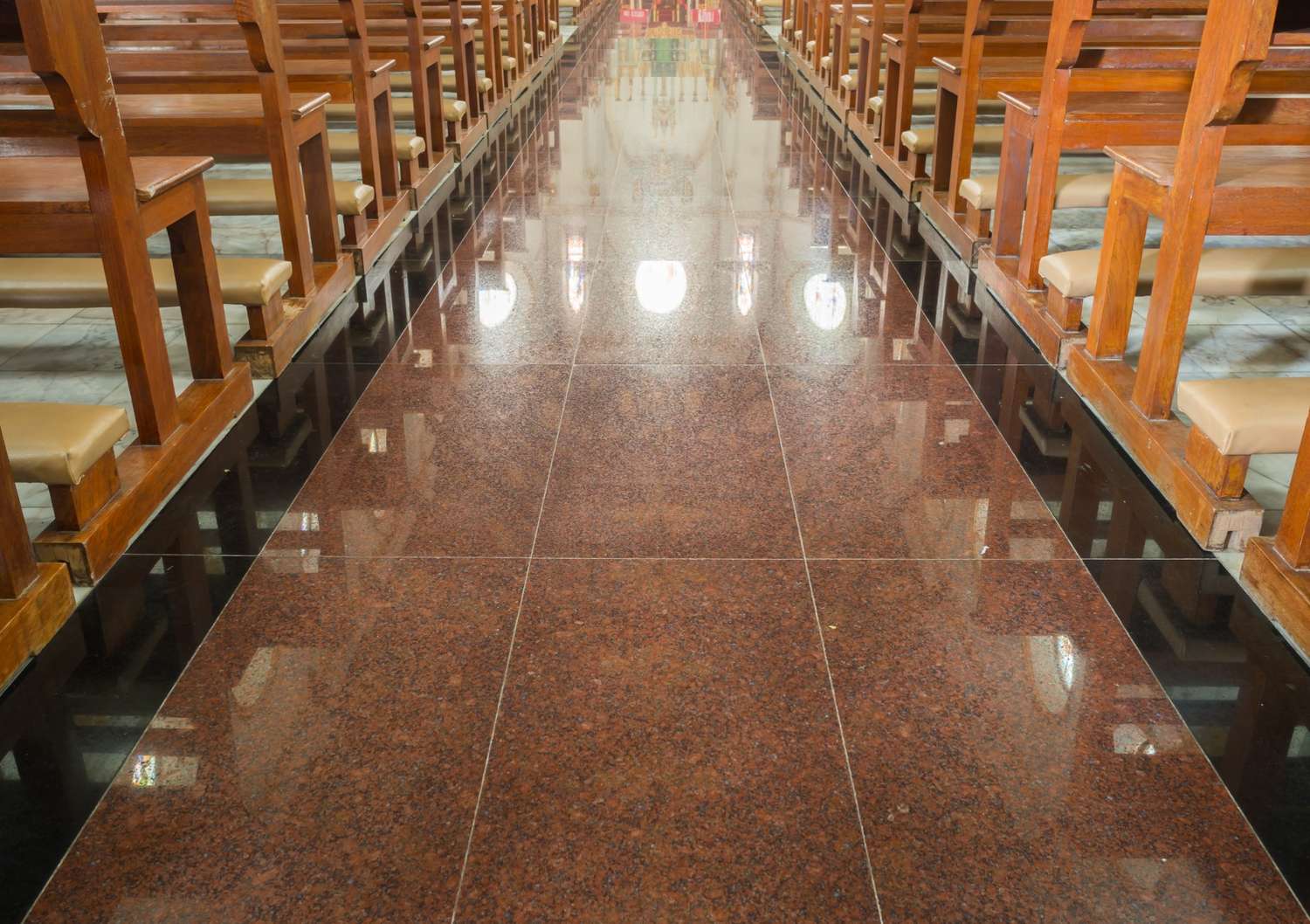
Porcelain and Ceramic Tile
A durable, easy-to-clean surface for entries, restrooms, and commercial kitchen areas attached to religious campuses that see heavy daily use.
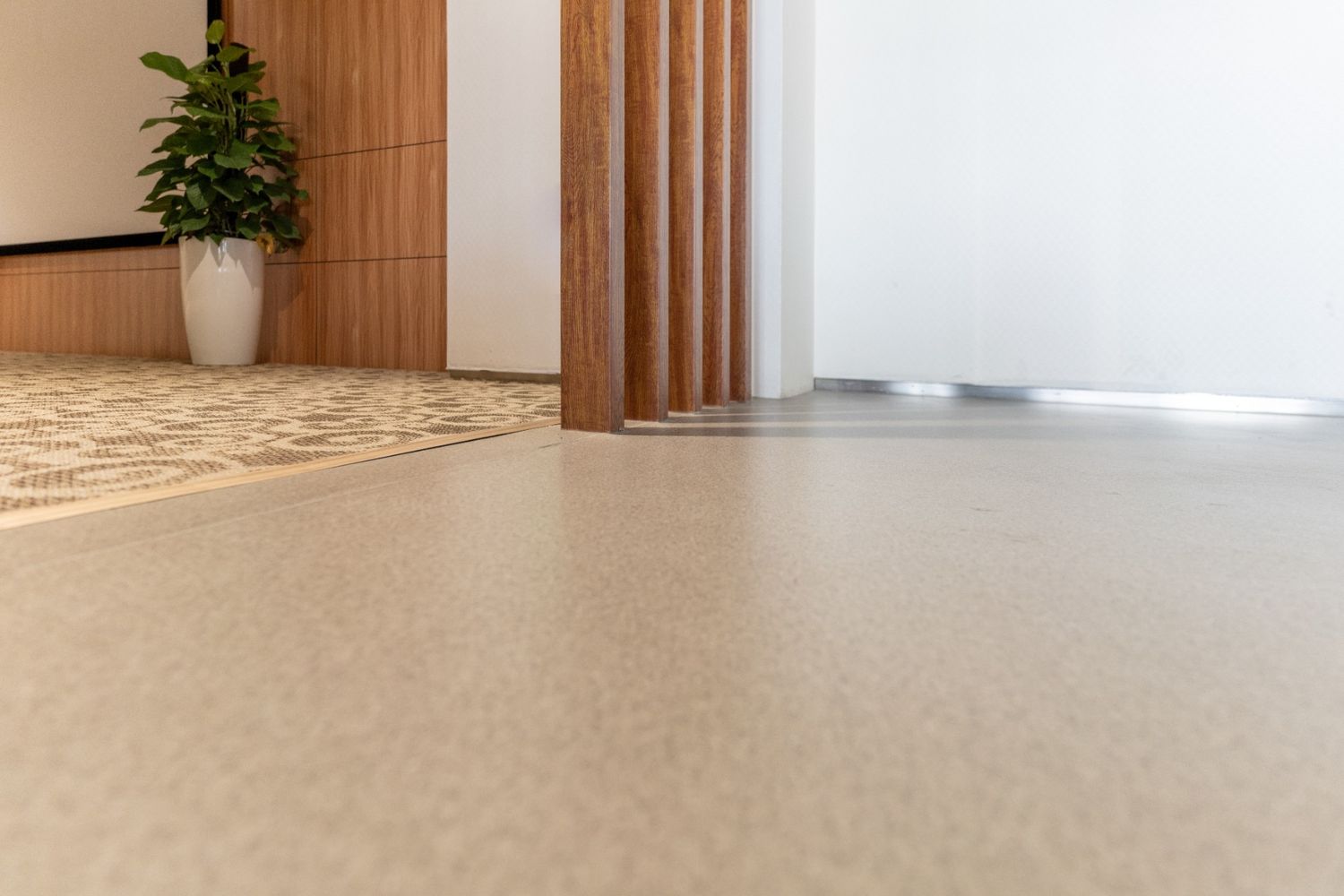
Resilient Sheet Flooring
A seamless, hygienic option for food service areas, nurseries, and lower-level spaces where cleanability and moisture resistance are both priorities.
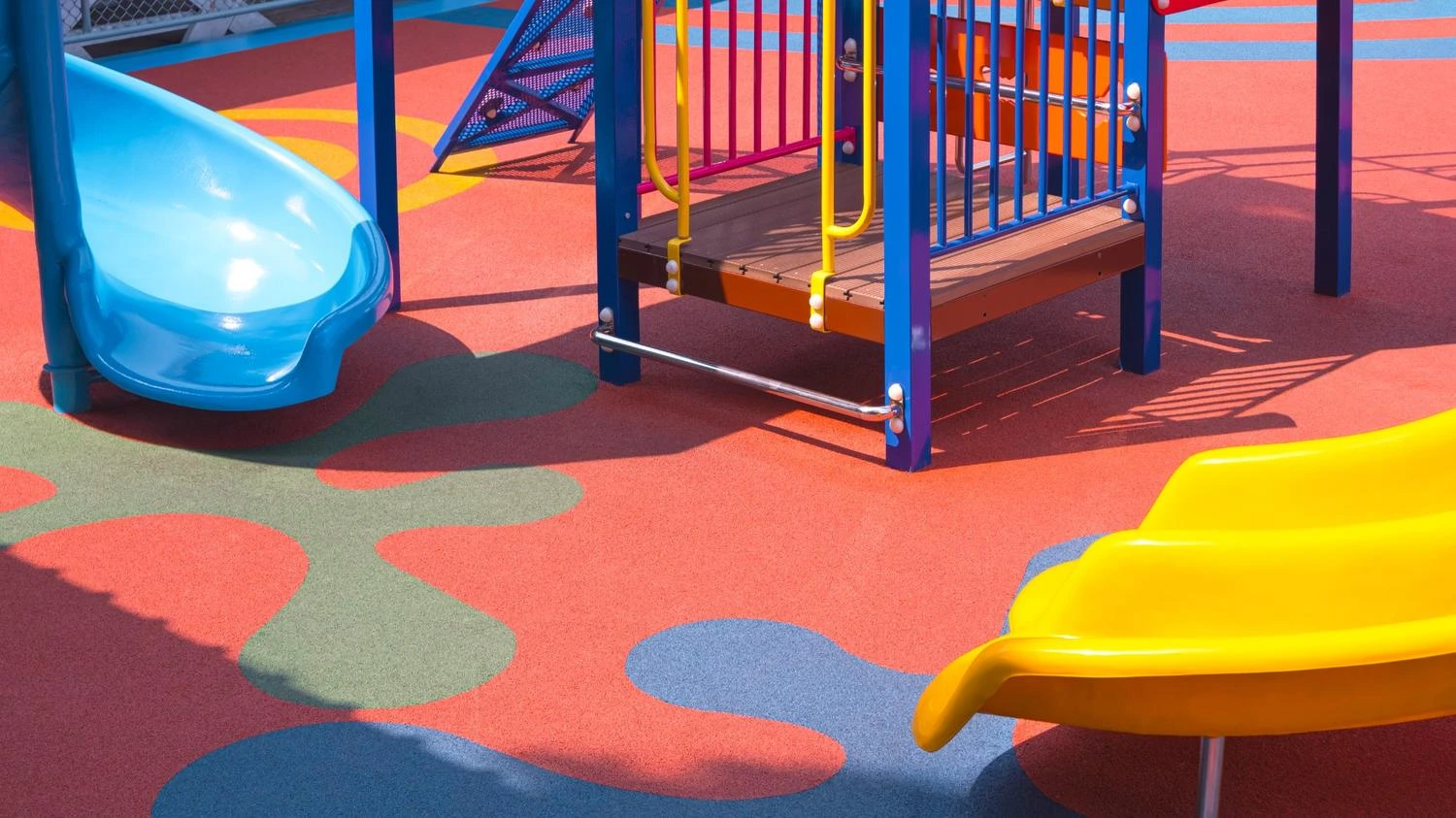
Rubber Flooring
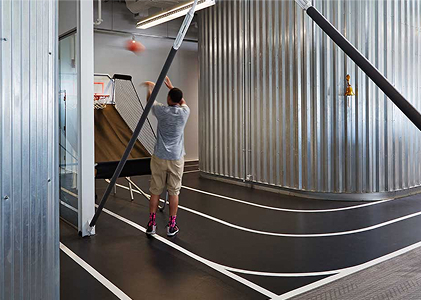
Slip-resistant and cushioned underfoot, rubber is well suited for gymnasiums, recreation areas, and multipurpose halls on religious campuses that host active programming.
Our Work
CONSTRUCTION MANUFACTURER
Chicago IL
LAGUARDIA AIRPORT
Queens, NY
PELOTON
New York, NY
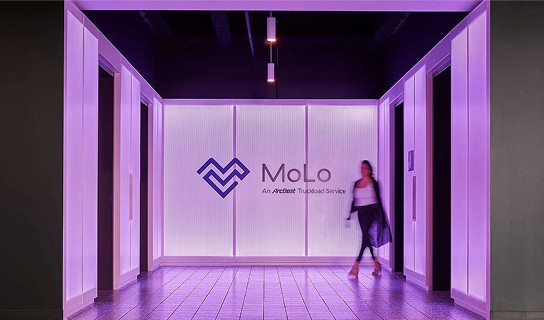
MODERN LOGISTICS
Chicago, IL
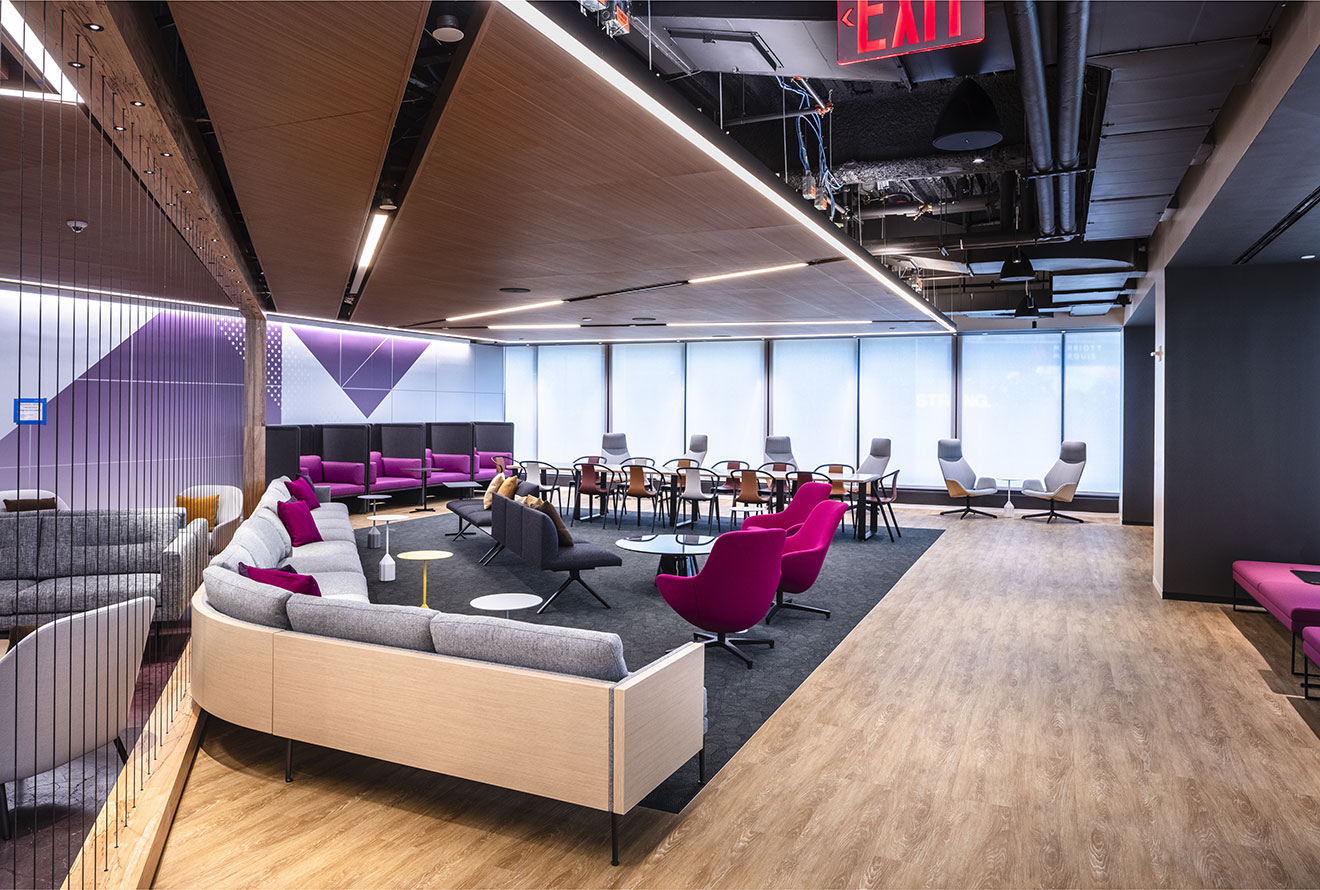
STAGE 8
New York, NY
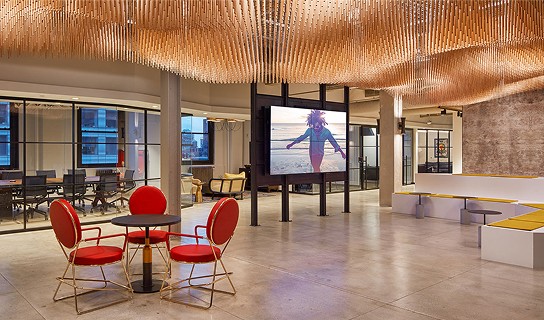
BMG
New York, NY
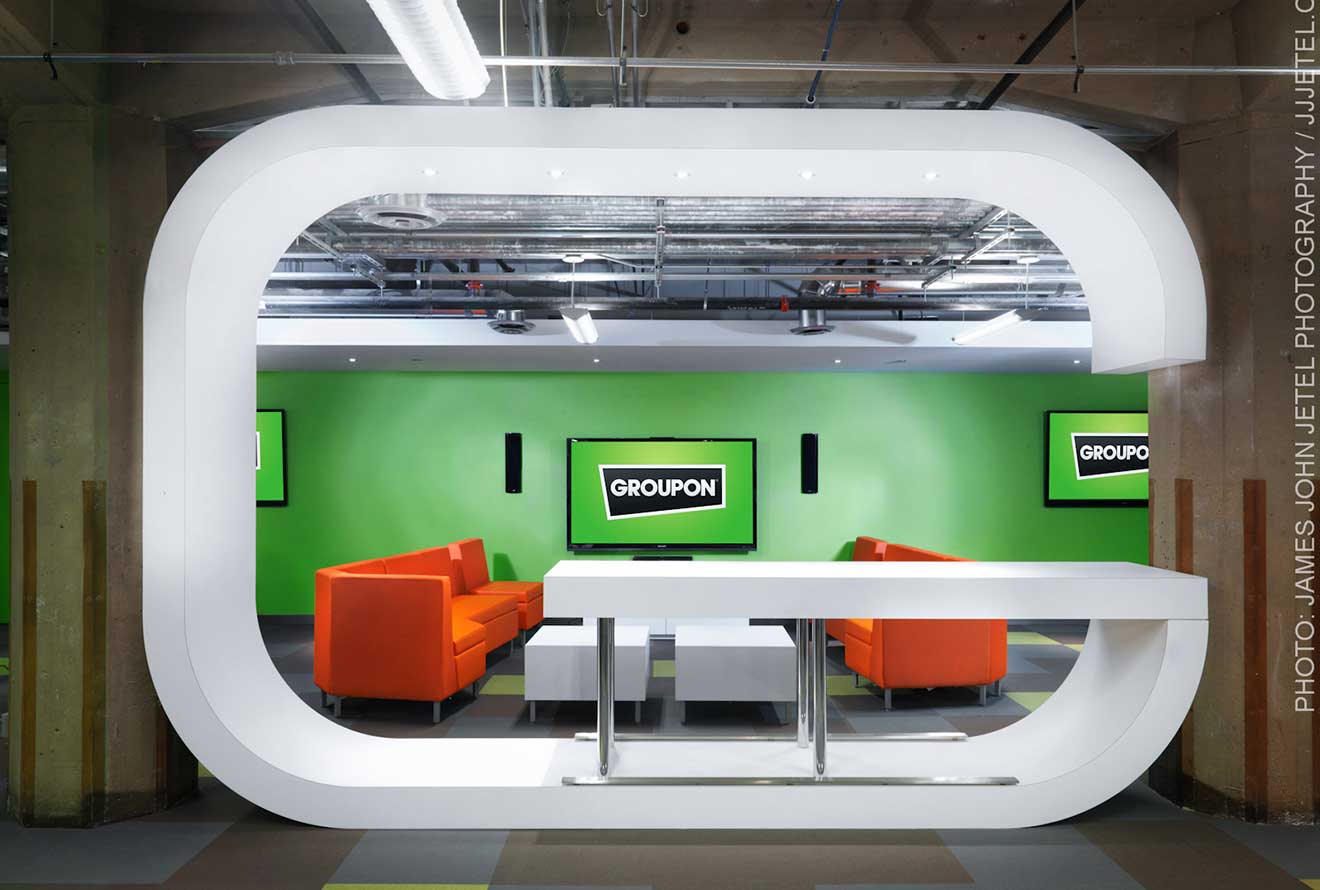
GROUPON
Chicago, IL
NCSA
Chicago, IL
LAW FIRM
Chicago, IL

HAVAS
Chicago, IL
Reach out to us today
We are a family owned Commercial Flooring contractor trusted by contractors, architects and designers for over 80 years.
- Send us an RFP
- Get a quote
- Schedule a Project Walkthrough
We work directly with businesses or through general contractors, architects, and designers.
"*" indicates required fields
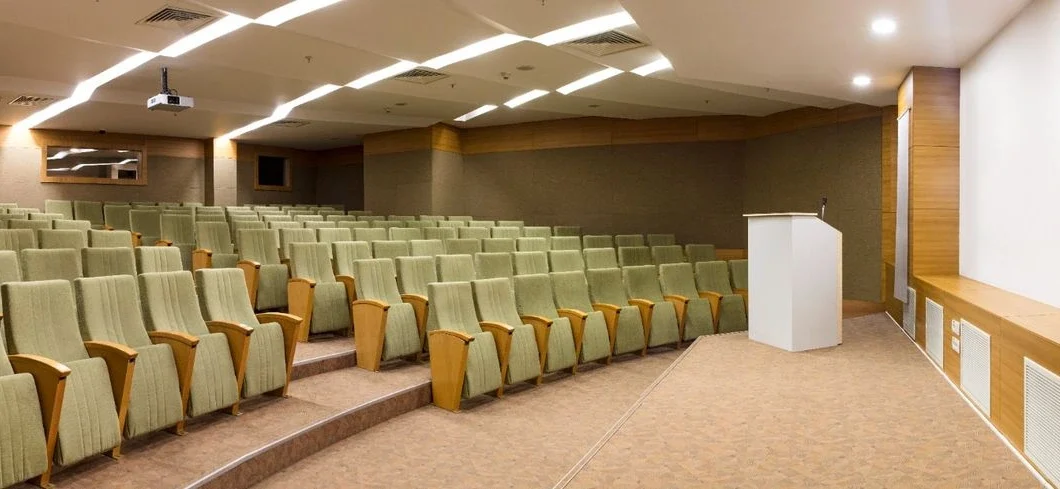
Houses of Worship
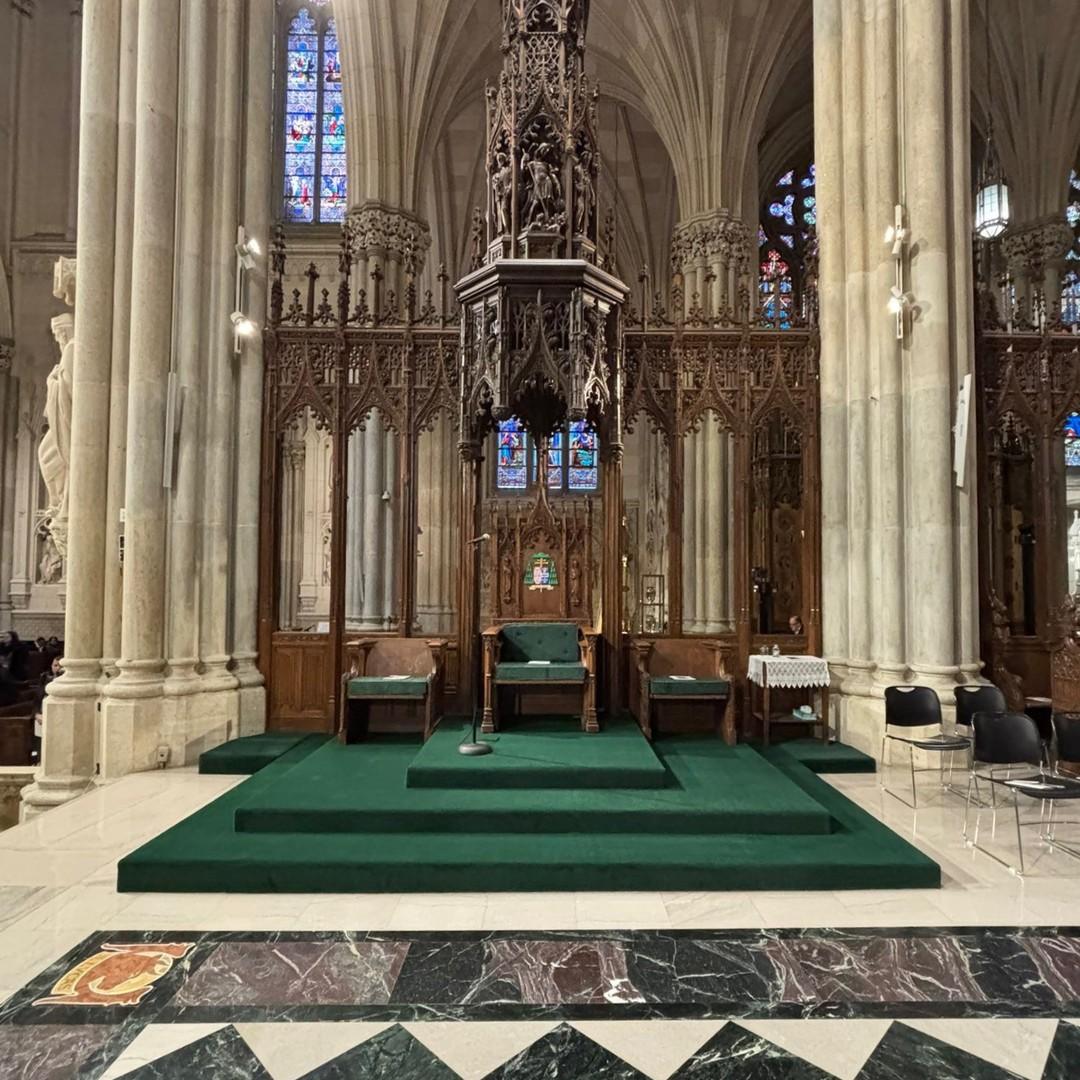
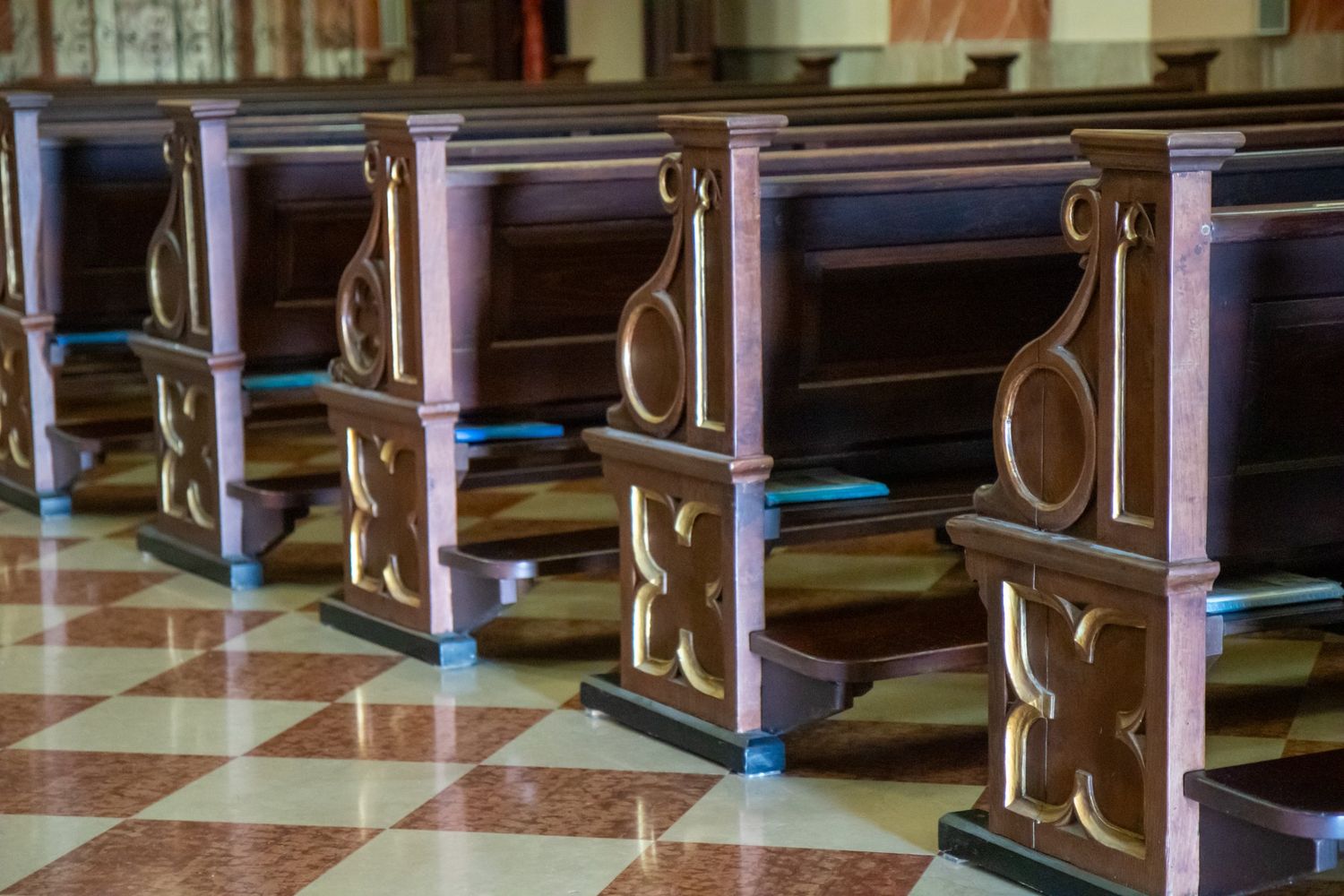
Reverent, Durable Floors for Sanctuaries and Chapels
Acoustically appropriate, visually understated flooring systems that honor the character of worship spaces while standing up to the foot traffic of an active congregation.
Faith-Based Schools and Daycares
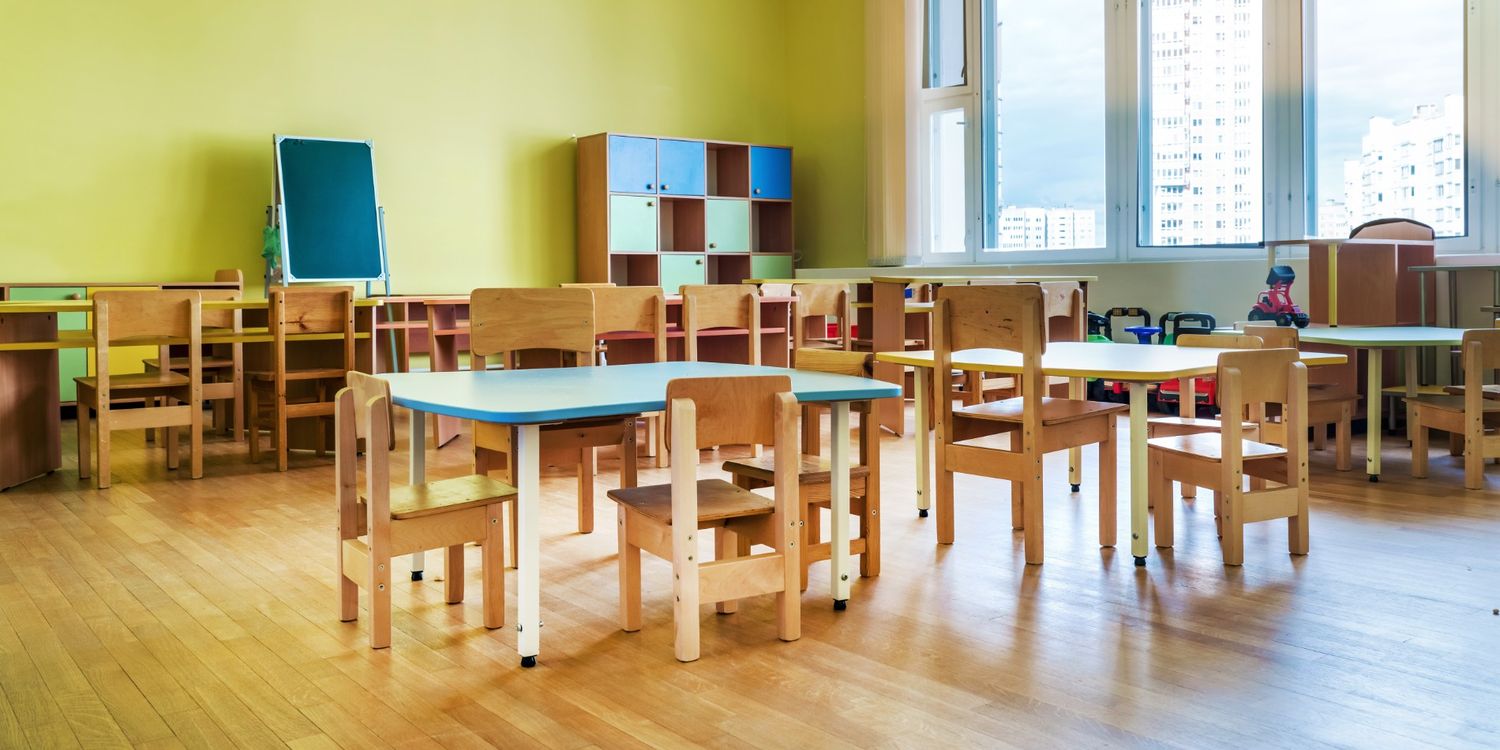
Safe, Easy-to-Maintain Floors for Faith-Based Education
Slip-resistant, low-VOC flooring options that meet safety and sanitation standards for classrooms, hallways, and early childhood spaces on religious campuses.
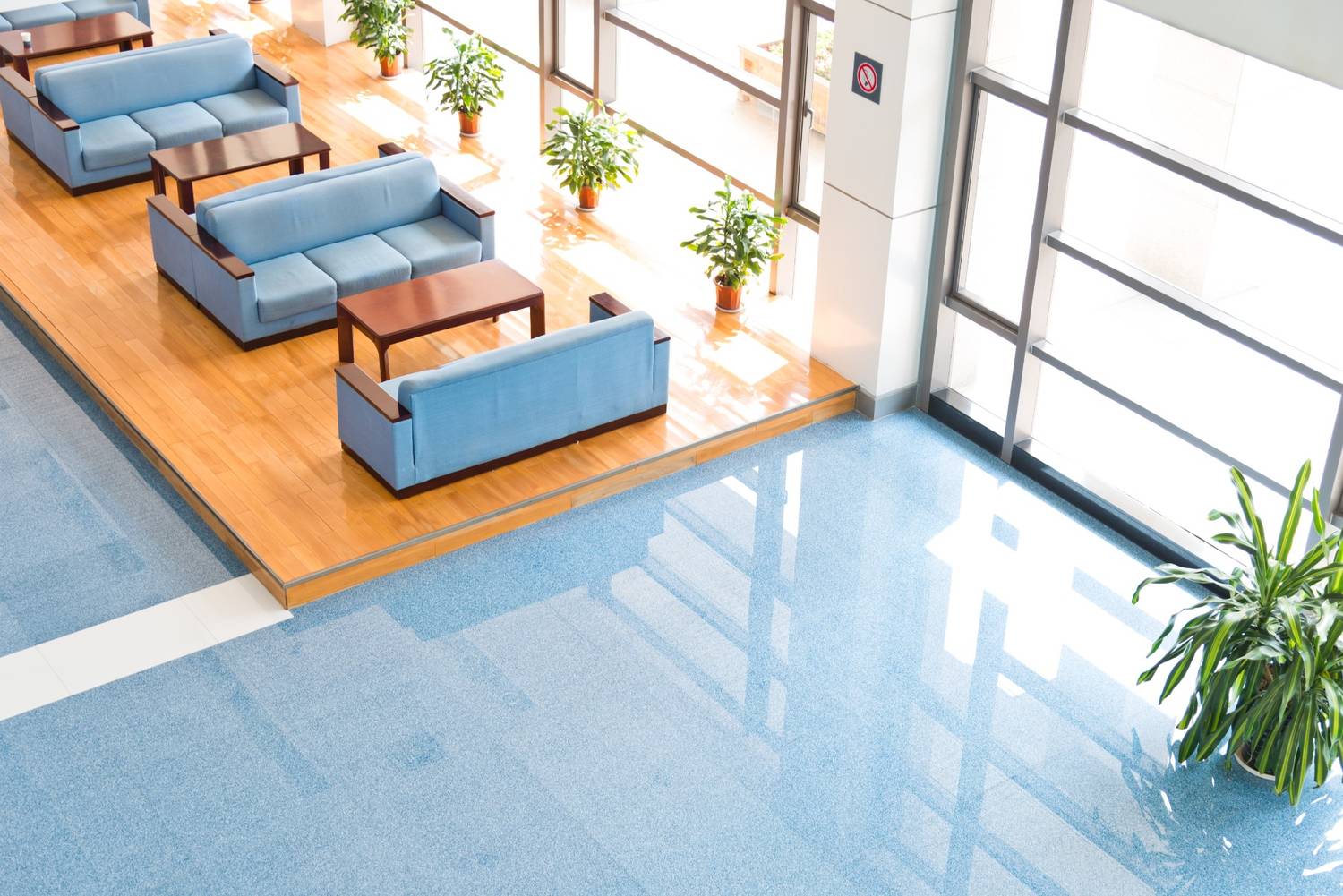
Fellowship Halls and Community Centers
Resilient Floors Built for Multipurpose Community Use
Durable surfaces that hold up through weekly dinners, community events, youth programming, and everything in between without requiring constant upkeep.
Religious Retreat and Conference Centers
Comfortable, Long-Lasting Floors for Overnight Guest Facilities
Flooring systems that balance hospitality-grade comfort with the durability and maintenance simplicity that retreat centers and conference facilities require across guest rooms, dining areas, and gathering spaces.
Reach out to us today
We are a family owned Commercial Flooring contractor trusted by contractors, architects and designers for over 80 years.
- Send us an RFP
- Get a quote
- Schedule a Project Walkthrough
We work directly with businesses or through general contractors, architects, and designers.
"*" indicates required fields
Frequently asked questions
How Do You Choose Flooring for a Multi-Use Religious Facility?
Religious facilities are some of the most complex flooring projects we take on — and we mean that as a compliment. A single campus might need sanctuary carpet, fellowship hall resilient flooring, nursery safety flooring, gym rubber, corridor commercial flooring solutions, and kitchen slip-resistant surfaces all under one roof. The key is matching material to function rather than defaulting to one product across the board. High-traffic corridors need commercial-grade LVT or rubber. Fellowship halls need hard-surface resilient flooring that cleans up fast after events. Nurseries and classrooms need soft, durable, easy-to-sanitize surfaces. We help facilities navigate the full scope — from product specification through skilled installation — so every zone gets the right product. We also build design continuity across zones so the finished campus feels intentional, not patchwork.
What Types of Flooring Work Best in a Church Sanctuary?
No single material wins everywhere in a sanctuary — the right answer depends on whether seating is fixed or movable, what the acoustic goals are, and how much the space doubles for other uses. Carpet and carpet tile absorb sound, reduce echo, and create a comfortable, reverent atmosphere; both broadloom and tile formats work depending on the layout. Luxury vinyl tile (LVT) and luxury vinyl plank offer hardwood and stone aesthetics with far better durability and moisture resistance, making them ideal where seating is movable and the floor takes real abuse between services. Hardwood and engineered hardwood are strong choices for platforms and stages, where sound reflectivity actually enhances choral and musical performances. We walk through all of this during specification to ensure the sanctuary flooring serves the space acoustically and visually — not just aesthetically on the product sheet.
What Is the Best Flooring for a Church Fellowship Hall?
Fellowship halls host everything from wedding receptions to community fitness classes to Tuesday night potlucks — flooring has to handle chairs, tables, heavy foot traffic, and frequent cleaning without falling apart. Commercial resilient flooring — LVT, vinyl composition tile, homogeneous sheet — performs well here: hard-wearing, easy to maintain, and available in a wide design range that doesn’t look like a hospital floor. Rubber flooring is another strong option where multipurpose use includes physical activity or heavier programming. The one thing to avoid is residential-grade product. Fellowship halls require commercial-rated wear layers — typically 20 mil or higher — to hold up under real event use. Our specifications encompass the programming, not just the floor plan.
What Is the Most Durable Flooring for High-Traffic Church Areas Like Lobbies and Hallways?
Entryways and corridors see concentrated foot traffic, tracked-in moisture, and frequent cleaning — they take more abuse per square foot than almost any other zone in a religious facility. Walk-off carpet and entrance grids at doorways protect interior surfaces significantly and are worth including in any lobby spec. For the main floor surface, LVT with a 20 mil or higher wear layer, commercial rubber tile or sheet, and porcelain tile are the most common high-durability choices. Slip resistance is non-negotiable in entryways — product selection should address both dry and wet surface ratings, especially at exterior transitions. We spec for the real conditions of the space, not ideal ones.
What Flooring Options Are Available for a Church Gym or Multipurpose Athletic Space?
Church gyms wear a lot of hats — basketball on Tuesday, volleyball on Wednesday, youth group on Thursday, overflow worship on Sunday. Flooring has to perform across all of it. Hardwood gym flooring (maple, per MFMA standards) is the premium choice for dedicated athletic use and allows for game-line customization specific to the sports your congregation plays. Rubber flooring — tile, sheet, or roll — is a strong alternative for multipurpose spaces: cushioned, slip-resistant, and easier to maintain than hardwood over time. Sprung floor systems add impact absorption where joint safety and extended programming are priorities. For church gyms that double as event or worship overflow space, surface finish and aesthetics factor into the selection alongside performance specs. We’ve done enough of these to know the questions worth asking before the product decision is made.
How Does Acoustics Affect Flooring Choice in a Religious Facility?
Acoustics is one of the most underappreciated factors in religious facility flooring. The wrong surface can muddy sermon audio, overwhelm a choir, or turn a quiet moment during services into a percussion performance every time someone walks the aisle. Carpet and carpet tile absorb sound and reduce echo — generally best for sanctuaries where spoken word and musical clarity are the priority. Hard surfaces like LVT, hardwood, and polished concrete reflect sound, which is great for platforms where choral resonance is wanted, but can create echo problems in open sanctuaries with high ceilings. IIC-rated underlayments and acoustic flooring systems improve sound separation in multi-story facilities where services or programming run simultaneously on different floors. We factor acoustics into the specification process, not just aesthetics.
Does Commercial Flooring for Religious Facilities Have To Meet Specific Safety Codes?
Yes — religious facilities are commercial occupancies, which means commercial building codes apply. That includes slip-resistance standards (especially critical in entryways, kitchens, and bathrooms), accessibility requirements under the ADA, and fire-rating classifications relevant to egress paths and large assembly spaces. IIC (Impact Insulation Class) and ICC ratings matter in multi-story facilities where sound transmission between floors affects services or programming happening below. We handle specification and compliance as part of the project process — not as a checkbox at the end. Getting this right during spec saves significant headaches (and money) during inspections and after occupancy.
How Long Does Commercial Flooring Installation Take in an Active Church?
Timeline depends on square footage, subfloor conditions, product selected, and how many zones are involved. A single-room refresh can wrap in a few days; a full campus renovation is a phased, multi-week project. Floor preparation — leveling, moisture mitigation, subfloor repair — is the variable that most often extends timelines, and skipping it is how flooring failures happen. We schedule around worship schedules, weekend services, and critical programming. Phased installs and off-hours work are standard practice for us — we’ve been doing this long enough to know that a flooring project can’t be the reason Sunday services get canceled. Lead time on product orders is also a real planning factor; we build that into the spec phase so it doesn’t become a surprise later.
Are There Sustainable or Eco-Friendly Flooring Options for Churches?
Yes, and the options are genuinely good. Sustainability is increasingly a priority for religious institutions, and the commercial flooring industry has kept pace. Products with Cradle to Cradle certification, recycled content, and landfill diversion programs — carpet reclamation, ReEntry programs — are available across most major product categories. PVC-free resilient options, Econyl fiber carpet (made from reclaimed nylon), and products qualifying for LEED points are all specifiable through a commercial flooring dealer like us. We can provide transparency documentation and environmental product declarations (EPDs) to support green building certifications if the project is pursuing LEED or similar programs. It’s not a niche offering — it’s a core part of how we specify.
How Do We Budget for a Commercial Flooring Project at Our Religious Facility?
There’s no single per-square-foot answer that covers every scenario — cost varies by material, square footage, subfloor condition, and project complexity. Material category is one of the bigger cost drivers: broadloom carpet and VCT sit at a lower price point, while LVT, engineered hardwood, and rubber systems carry higher material costs but lower long-term maintenance expense. Floor preparation, such as leveling, moisture mitigation, and removal of existing flooring, is a real cost that should be scoped before any budget is finalized. For larger campuses, phasing a project across budget cycles is a genuinely viable approach; we can help prioritize zones by condition, traffic volume, and donor visibility. A flooring specification consultation establishes realistic cost ranges before any commitments are made — that’s the right place to start.