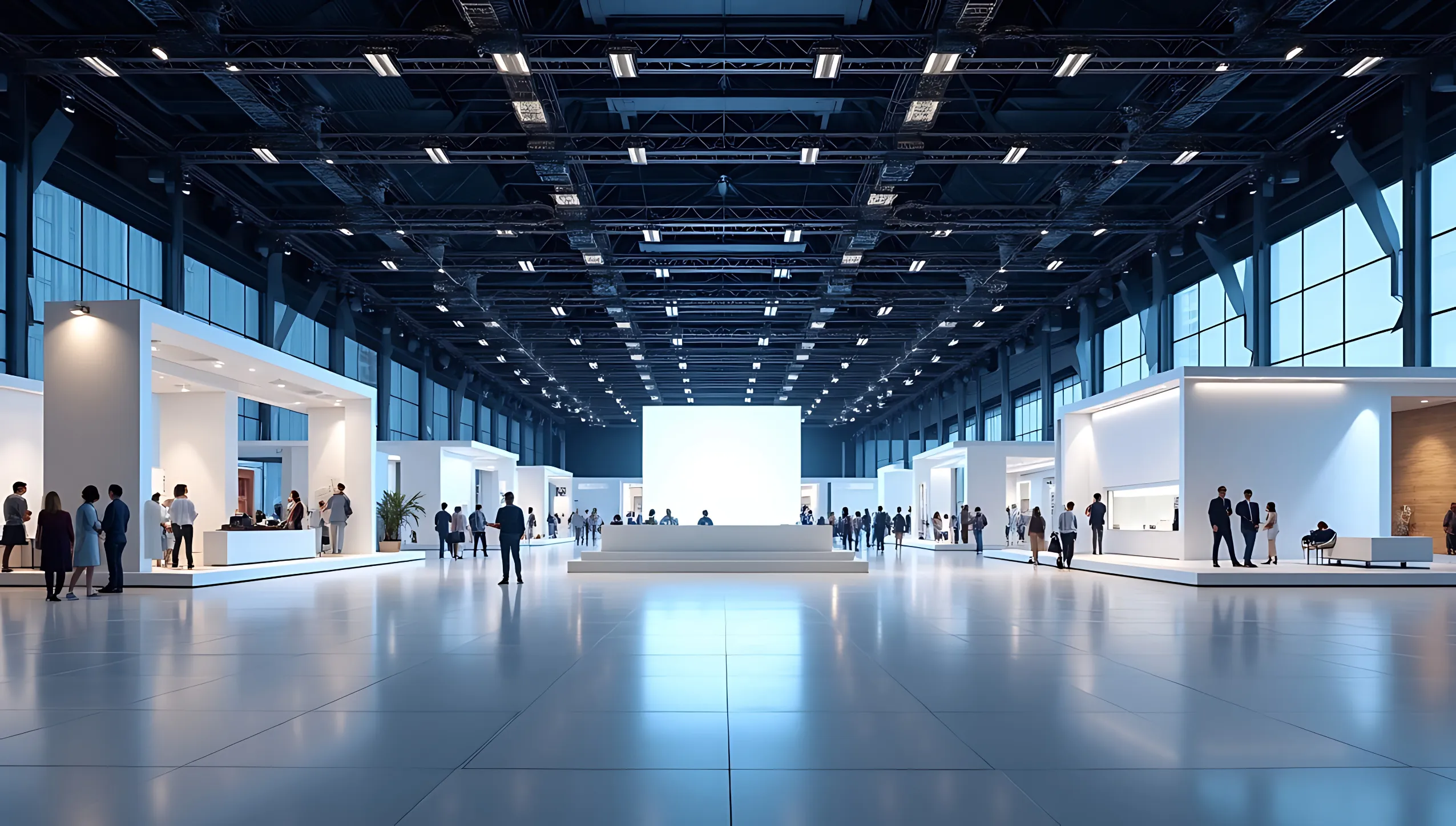
What Are the Best Flooring Options for Spill Resistance in Event Venues?
Summary
Spills are inevitable in busy event venues, and the wrong flooring can turn a minor mess into a safety hazard or costly repair. This guide breaks down the best spill resistant flooring options to help venue managers keep spaces safe, clean, and looking sharp.
The most effective spill-resistant flooring for venues is non-porous and seamless—materials that stop liquids at the surface instead of soaking them up. Spills are inevitable in busy event venues, and the wrong flooring can turn a minor mess into a safety hazard or costly repair. This guide breaks down the best spill resistant flooring options to help venue managers keep spaces safe, clean, and looking sharp.
Event venues often have the capacity for thousands of attendees. While this is great for big events and celebrations, it also means the floors of the venue need to be able to handle heavy wear. The heavy foot traffic takes a toll, of course, but food and drink spills are also inevitable.
In this guide from Consolidated Flooring, we’ll break down the best spill-resistant flooring for event venues. You’ll find out the pros and cons of each material and how to choose the best event venue flooring for your space.
Key Takeaways
- Non-porous, seamless surfaces win. Waterproof LVT, epoxy, sealed/densified polished concrete, and sheet vinyl give the strongest spill defense because liquid stays on top rather than being absorbed.
- Waterproof LVT is not the same as water-resistant LVT. Only fully waterproof commercial LVT is airtight at the seams; water-resistant LVT can let standing liquid penetrate.
- Target a wet DCOF of ≥ 0.42. Under the ANSI A326.3 standard, interior areas likely to get wet should meet a dynamic coefficient of friction of at least 0.42—no floor is truly “slip-proof.”
- Stain-resistant carpet tile is a viable option. Stain-treated commercial carpet tile works well in reception and pre-function zones and is spot-replaceable tile by tile if one is stained or damaged.
- Match the material to the zone. Front-of-house prioritizes aesthetics plus spill resistance; back-of-house prioritizes durability and slip resistance.
Why Does Spill Resistance Matter So Much in Event Venues?
Spills are a risk in any commercial space, but they present a unique challenge for event venues in particular. Not only do you have to contend with the sheer volume of spills from the many guests who visit, but also with a wide variety of food and drink. Spills in an event venue can be anything from wine to coffee to sauces and other catering-related spills.
It’s especially important for event venues to have spill-resistant flooring due to the short turnaround time between events. Venue operators need to be able to clean spills up fast without having to deal with hard-to-remove stains.
Even worse, spills can be a slip hazard for event attendees, which can lead to liability issues and legal trouble.
What Happens When Event Venue Flooring Isn’t Built for Spills?
If you try to cut corners with event venue flooring and choose a material that isn’t built for spills, it can lead to all sorts of problems. Non-spill-resistant flooring for event venues can lead to problems like:
- Staining
- Odor retention
- Delamination
- Premature replacement costs
Keep in mind that absorbed moisture in event venue flooring can compound over time. When moisture builds up, it can become a maintenance nightmare, not to mention a slip hazard.
Which Flooring Materials Handle Spills Best in Event Spaces?
There are a few good options for event venue floors, each with different benefits and drawbacks. Here are the top contenders for event space flooring materials:
- LVT (luxury vinyl tile): LVT uses vinyl to replicate the look and feel of hardwood or stone without the cost and maintenance needs. It has a waterproof commercial flooring core covered with a protective wear layer, making it an easy-to-clean, aesthetically flexible solution for ballrooms and cocktail areas.
- Sheet vinyl: Rather than tiles, sheet vinyl uses large sheets, which means seamless installation that eliminates grout lines where moisture can hide. Sheet vinyl is ideal for catering corridors and service zones.
- Commercial carpet tile: While carpet may seem like a poor choice for spill resistance, carpet tile for event venues has stain-treated fibers that don’t retain moisture, allowing for easy cleaning. Using modular tiles instead of broadloom carpet also allows you to replace individual tiles if damage occurs. Plus, carpet offers better sound dampening for large conference rooms. While commercial carpet has some spill resistance, it isn’t ideal for heavy spill zones. Carpet tile is a good choice for reception and pre-function areas.
- Rubber flooring: For back-of-house flooring for event venues, rubber is a durable, spill-resistant option that works well in dock areas, freight corridors, and service hallways.
Is LVT Really Waterproof or Just Water-Resistant?
The vinyl used in LVT is waterproof, but water-resistant LVT has small seams that can allow moisture to penetrate if left standing for long periods. Fully waterproof commercial LVT for event spaces is airtight to keep liquid out. A thicker wear layer of 5 mm can help prevent food and drink spills from seeping into water-resistant LVT seams.
How Do the Top Spill-Resistant Flooring Materials Compare?
The table below compares the leading spill-resistant flooring options for venues side by side, so you can match each material to the right zone in your space. For a broader rundown, see our guide to the best commercial flooring for event venues.
|
Flooring |
Spill / Water Resistance |
Maintenance |
Aesthetics |
Best For Venue Zone |
|
Waterproof commercial LVT |
Excellent when fully waterproof; airtight seams keep liquid out |
Low; damp mop, spot-clean |
High; mimics hardwood or stone |
Front-of-house: ballrooms, cocktail and pre-function areas |
|
Epoxy |
Excellent; seamless and non-porous once cured |
Low; wipes clean, no grout lines |
Moderate; sleek, industrial-to-decorative finishes |
Back-of-house: kitchens, docks, service corridors |
|
Polished concrete |
Good only when sealed/densified; porous and stain-prone if untreated |
Low once sealed; periodic re-sealing needed |
Moderate to high; modern, seamless look |
Front- or back-of-house: lobbies, industrial-style event halls |
|
Stain-resistant carpet tile |
Moderate; stain-treated fibers resist absorption but not ideal for heavy spill zones |
Moderate; spot-clean and replace individual tiles |
High; warm, elegant, sound-dampening |
Front-of-house: reception, pre-function, conference rooms |
|
Rubber |
Very good; durable, resilient, and moisture-resistant |
Low; sweep and damp mop |
Lower; utilitarian appearance |
Back-of-house: dock areas, freight corridors, service hallways |
Does Spill-Resistant Flooring Have To Sacrifice Aesthetics?
With every commercial flooring material, there is a give and take between cost, durability, and design. A big selling point for event spaces is aesthetics, since guests and planners are paying for an experience. Modern LVT shines in event venues because it mimics hardwood and stone without compromising spill resistance. Broadloom and custom carpet tile can also add elegance as a ballroom flooring option.
Patterned flooring and darker colors are a good choice to help conceal any water between deep cleans.
What Should You Look for Beyond Just Spill Resistance?
Beyond spill resistance, some important factors to consider for event venue flooring include:
- Slip resistance: Slip-resistant event flooring is especially important in cocktail areas and catering zones.
- Acoustic performance: Check IIC ratings to evaluate how well a flooring material absorbs sound, especially in flooring for high-traffic event spaces.
- Ease of maintenance: Between events, consider how easy it will be to clean and maintain a flooring material.
- Compatibility with rolling equipment: Make sure your flooring choice has the PSI and rolling load rating to withstand the weight of display carts and dollies.
How Important Is Slip Resistance and Safety?
Slip resistance is just as critical as spill resistance, because wet floors are the leading cause of slip-and-fall claims in event venues. The standard measure is the dynamic coefficient of friction (DCOF), tested under ANSI A326.3 (administered through the TCNA). For interior floor surfaces that are likely to be walked on when wet, the accepted benchmark is a wet DCOF of at least 0.42. Meeting that number reduces risk, but no flooring is truly “slip-proof”—proper maintenance, entry mats, and prompt spill response still matter.
When you specify flooring, ask the manufacturer for the tested DCOF value and the testing standard. You can also consult independent resources such as the National Floor Safety Institute for slip-resistance best practices and ASTM International for the resilient-flooring wear and performance standards used across the industry. For a deeper look at reducing risk in busy spaces, see our guide on how to improve safety in public event spaces.
Front-of-House vs. Back-of-House: How Should Flooring Differ?
Front-of-house flooring should balance aesthetics with spill resistance, while back-of-house flooring should prioritize durability and slip resistance. Matching the material to the zone is the single most cost-effective way to spec a venue.
- Front-of-house (ballrooms, lobbies, reception, pre-function, cocktail areas): Guests and planners see these spaces, so appearance leads. Waterproof commercial LVT, stain-resistant carpet tile, and sealed polished concrete deliver the look while still handling spills.
- Back-of-house (kitchens, dish areas, loading docks, freight and service corridors): Function leads here. Rubber, sheet vinyl, and epoxy stand up to heavy rolling loads, grease, and constant moisture with easy cleanup.
For more zone-by-zone guidance, see our resources on public event space flooring and flooring for concerts, conferences & crowds.
Are Epoxy and Polished Concrete Good Choices for Venues?
Epoxy and polished concrete are both strong, seamless options for venues—but their spill resistance depends on the finish. Epoxy cures into a seamless, non-porous surface that resists spills, stains, and chemicals with virtually no seams or grout for liquid to hide in, which makes epoxy flooring for event spaces a durable pick for kitchens, docks, and high-traffic service zones.
Polished concrete, by contrast, is porous unless it is sealed and densified. Bare or under-sealed concrete will absorb wine, coffee, and grease and stain permanently, so its spill resistance depends entirely on proper sealing and periodic re-sealing. When correctly treated, polished concrete for venues offers a sleek, low-maintenance, long-lasting floor for lobbies and industrial-style event halls. To weigh these against other resilient options, see our comparison of epoxy floors vs. other resilient flooring.
What Do Spill-Resistant Floors Cost, and How Long Do They Last?
Cost and lifespan vary widely by material, specification, and traffic level, so treat the ranges below as planning guidance rather than fixed quotes. Higher-spec wear layers, custom patterns, subfloor prep, and heavier traffic all push both cost and longevity.
- Waterproof commercial LVT: Roughly a mid-range installed cost with a typical service life of about 10–20 years, depending on wear-layer thickness and traffic.
- Epoxy: Generally a lower-to-mid installed cost with a service life of about 10–20 years; heavy back-of-house use may shorten it.
- Polished concrete: Often the lowest material cost since it uses the existing slab, and it can last for decades when sealed and maintained—though re-sealing is an ongoing cost.
- Stain-resistant carpet tile: Typically a lower-to-mid installed cost with a service life of about 7–12 years; spot-replaceable tiles extend usable life.
- Rubber: Usually a mid-to-higher installed cost with a long service life of about 15–20+ years in demanding back-of-house zones.
Because pricing depends on your spec, zone, and region, the most reliable figure comes from a project-specific quote.
How Does Consolidated Flooring Help Event Venues Choose the Right Floor?
Consolidated Flooring is a family-owned commercial flooring dealer with over 80 years of experience working with ballrooms, banquet hall flooring, conference centers, and multi-use event facilities. We work directly with venue owners as well as through GCs, architects, and designers to match the right materials to the right zones throughout the front-of-house and back-of-house.
Our skilled installation tradesmen and tradeswomen handle the full scope, from floor leveling to final installation. Plus, we specialize in flooring replacements with minimal operational disruption.
Get in touch with the experts at Consolidated Flooring to find the perfect flooring solution for your event space!
Frequently Asked Questions
What is the most spill-resistant flooring for event venues?
Non-porous, seamless flooring is the most spill-resistant choice for event venues. Waterproof commercial LVT, epoxy, and sealed/densified polished concrete top the list because liquids stay on the surface instead of soaking in, and their lack of seams or grout gives spills nowhere to hide.
Is LVT waterproof or just water-resistant?
It depends on the product. Fully waterproof commercial LVT is airtight and keeps liquid out even when it stands, while water-resistant LVT has small seams that can let moisture penetrate if a spill is left too long. A thicker wear layer helps, but for heavy spill zones, specify fully waterproof LVT.
Is carpet a bad choice where spills happen?
Not necessarily. Stain-resistant commercial carpet tile uses treated fibers that resist absorption and clean up easily, and individual tiles can be swapped out if one stains. It is a strong pick for reception, pre-function, and conference areas, but it is not ideal for heavy spill zones like bars or catering lines.
What slip-resistance rating should venue flooring meet?
Aim for a wet DCOF (dynamic coefficient of friction) of at least 0.42, measured under the ANSI A326.3 standard, for interior areas that are likely to get wet. That benchmark reduces slip risk, but no floor is truly slip-proof—prompt spill response and proper maintenance are still essential.
How do you clean spills on event flooring fast?
Act within minutes: place a wet-floor sign, blot up the liquid with an absorbent cloth, clean with a manufacturer-approved pH-neutral solution, then rinse and dry the surface completely. For LVT and tile, check the seams; for carpet tile, replace any tile that stained. Building this into turnover checklists keeps venues safe.
What’s the best flooring for a banquet hall or ballroom?
Waterproof commercial LVT and stain-resistant carpet tile are the go-to choices for banquet halls and ballrooms because they combine an upscale look with reliable spill resistance. Sealed polished concrete is a strong option for modern, industrial-style venues. Match the finish to your aesthetic and expected spill volume.