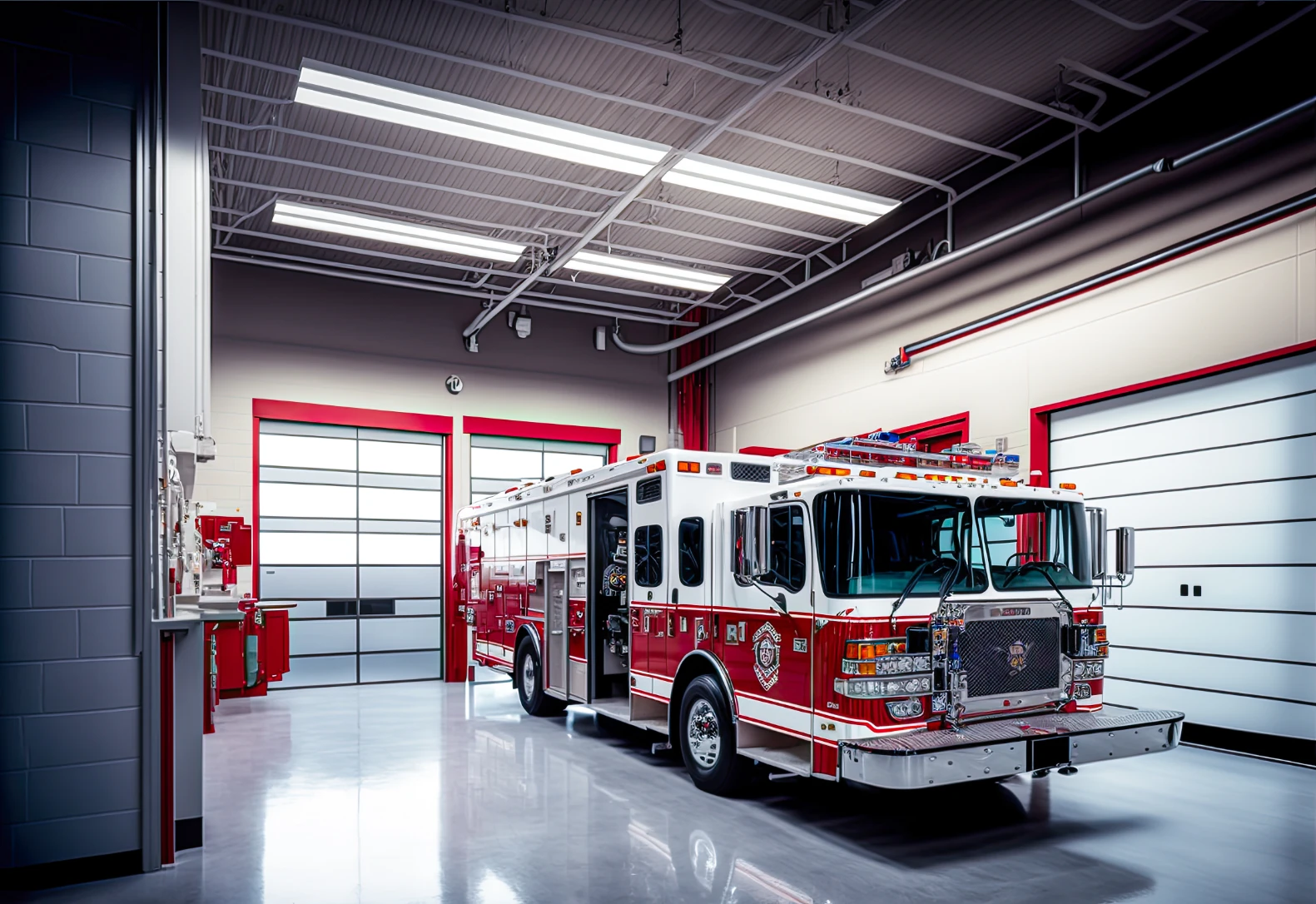
Best Flooring for Fire Station Decontamination Areas (2026 Guide)
Summary
Decon area flooring must be seamless and chemical-resistant to prevent carcinogen exposure, with urethane cement, sheet vinyl, and epoxy as the top options. Polished concrete only suits transitional warm zones, and Consolidated Flooring helps stations pick the right material.
Increasing cancer rates are one of the leading long-term threats to the health and safety of firefighters. The decontamination area of a fire station is ground zero for cross-contamination. This vital space helps contain hazardous materials like carcinogens, VOCs, and biological hazards.
In many cases, the weakest link is often the most overlooked: the fire station decontamination area flooring. To prevent firefighter carcinogen exposure, flooring needs to meet strict standards. This guide offers a complete overview of each option for fire station hot zone flooring.
Why Is the Decontamination Area Floor the Most Critical Surface in the Station?
The decon area is where contaminated PPE, gear, tools, and equipment come into the station directly from fire scenes. The hot zone flooring in fire stations is the first surface that anything touches.
If the flooring has grout lines, seams, or a porous surface, it can absorb carcinogens like PAHs from smoke. Once the floor traps these contaminants, it’s impossible to fully clean them out.
Both the International Association of Fire Fighters (IAFF) and the National Fire Protection Association (NFPA) specify hard, seamless surfaces for hot zones. Carpet is never a good choice for decon areas.
What Makes a Decon Area Different From Other Rooms in the Station?
The decontamination room begins in the “hot zone,” where firefighters leave contaminated gear. It also acts as a kind of airlock, keeping contaminants contained away from the clean zone.
The “warm” zone is the transitional space between the decon room and the facility’s living quarters. According to NFPA fire station design standards, the flooring needs to perform as a barrier, not just a surface, in order to prevent the spread of hazardous materials.
What Are the Best Flooring Options for Fire Station Decontamination Areas?
There are several flooring types rated for fire station decontamination areas. Each one offers different advantages and drawbacks. Let’s take a closer look at the three top options for fire station hot zone flooring:
Urethane Cement Fire Station Flooring
Urethane cement is thermal shock resistant, meaning it can handle hot water washdowns for decontamination. It’s also a chemical-resistant commercial flooring option, and it has a textured surface. With slip-resistant flooring, first responders have one less safety concern to worry about.
Overall, this is the best choice for decon zones that get hit the hardest. However, it’s also one of the more expensive options.
Seamless Sheet Vinyl & Homogeneous Sheet
Sheet vinyl offers a monolithic surface despite being applied in sections. Heat-welded seams eliminate grout lines that can trap particles and contaminants. It also has a bit of give, making it easier on tradespeople working extended shifts.
This is a strong option for applications where some underfoot comfort matters. It’s a budget-friendly alternative to urethane cement as well, though not as durable.
Epoxy Systems
Epoxy is a decent middle ground between sheet vinyl and urethane cement. It’s seamless, chemical-resistant, and highly customizable. Commercial flooring dealers can add custom safety markings and anti-slip additives. This option pairs well with floor markings for decon workflow zones.
While epoxy flooring for fire station decon areas isn’t as expensive upfront as urethane, it will eventually need refinishing, which adds to the long-term cost.
Is Polished Concrete a Good Choice for Decontamination Rooms?
Polished concrete is a material that often comes up in the fire station renovation flooring discussion. It is cleanable and durable, but it also requires consistent sealing to maintain a non-porous surface. That means even one slip-up in the resealing process can increase the risk of the floor harboring carcinogens.
Furthermore, polished concrete often degrades more quickly without a proper topcoat. In short, we don’t recommend it for active hot zones, but it’s an acceptable option for transitional “warm” zones.
What Performance Standards Should Decon Area Flooring Always Meet?
Whichever public safety flooring solution you choose for the decontamination area, there are a few important criteria you should look for. The most important standard flooring needs to meet is being seamless or monolithic. Seamless flooring for decontamination areas has no grout lines and no seams that could trap PAHs or biological matter.
Hot zone flooring also needs to be durable. The material you choose should withstand repeated exposure to harsh cleaning agents, disinfectants, and bleach solutions. Thermal resistance is another big part of durability. Hot water washdowns followed by cold gear/air can crack or delaminate flooring that isn’t rated to withstand thermal shock.
Lastly, consider the convenience and safety of each option for commercial flooring in government facilities. Wet floors during gear washdowns are a constant, so the floor needs measurable traction (not just a texture). It should also be easy to decontaminate and maintain. If it takes 45 minutes to clean the floor properly, it more than likely won’t get cleaned properly.
How Does Consolidated Flooring Help Fire Stations Get the Right Floor Specified?
Consolidated Flooring is a commercial flooring dealer specializing in flooring for high-pressure applications like labs, cleanrooms, and healthcare facilities. We take pride in having the expertise and experience to recommend the right system for fire station decontamination flooring.
Contact Consolidated Flooring today to schedule a free, no-obligation consultation to identify the perfect flooring material for your fire station hot zone.