
Fire Station and Public Safety Flooring Solutions
Trusted by





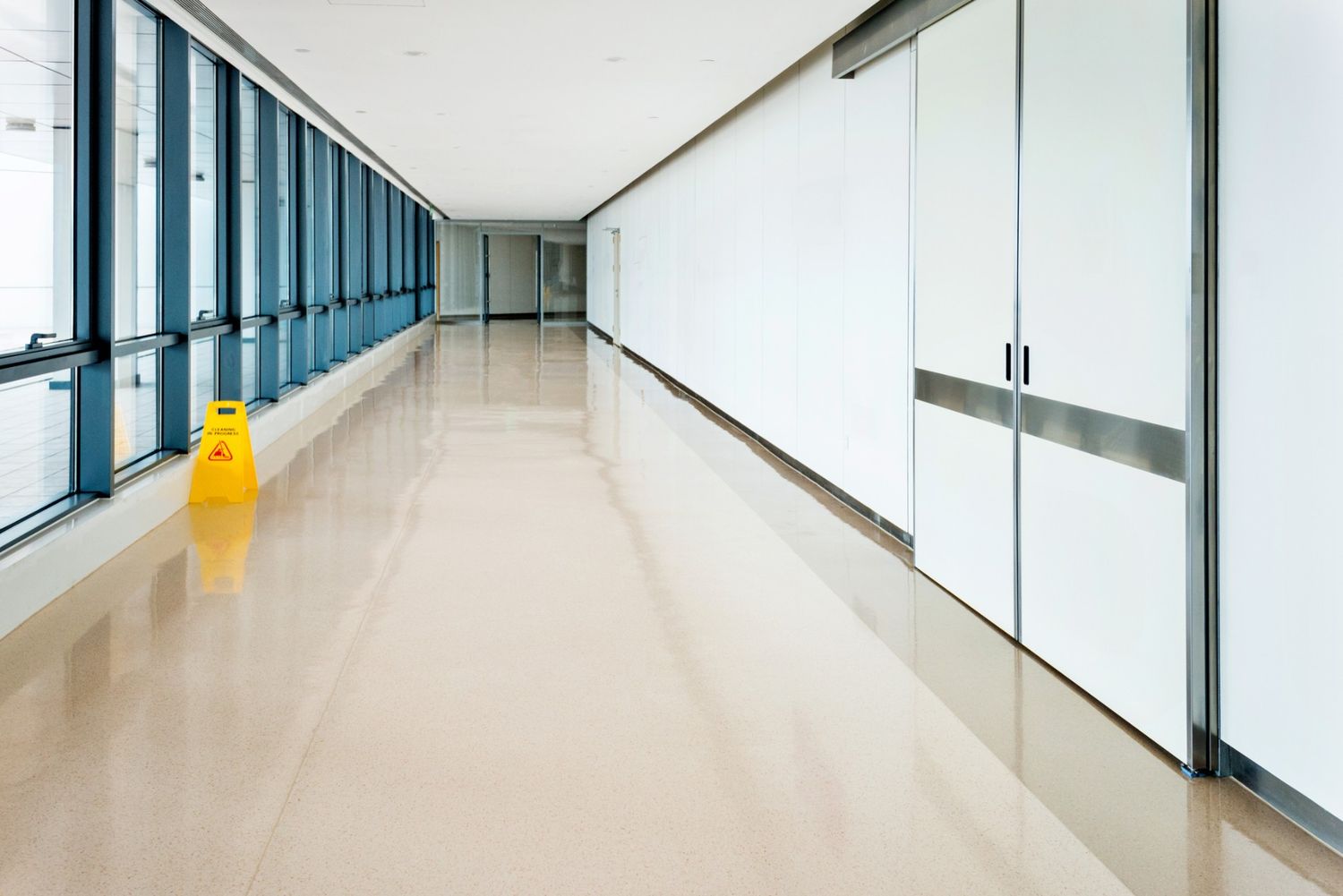
Why Fire Stations and Public Safety Facilities Choose Consolidated Flooring
Public safety facilities operate around the clock, which means the floors inside them need to perform under conditions that most commercial spaces never encounter: chemical exposure, heavy equipment loads, rapid temperature changes, and the constant movement of personnel responding to emergencies at any hour.
Consolidated Flooring has spent over 80 years installing commercial flooring in some of the most demanding institutional environments in New York, Chicago, and beyond, including facilities where durability, safety, and minimal maintenance downtime are non-negotiable.
Our team works directly with facility managers, municipal project managers, and general contractors to specify, source, and install flooring systems built for the realities of public safety operations, on schedules that keep stations functional and crews ready throughout the entire project.

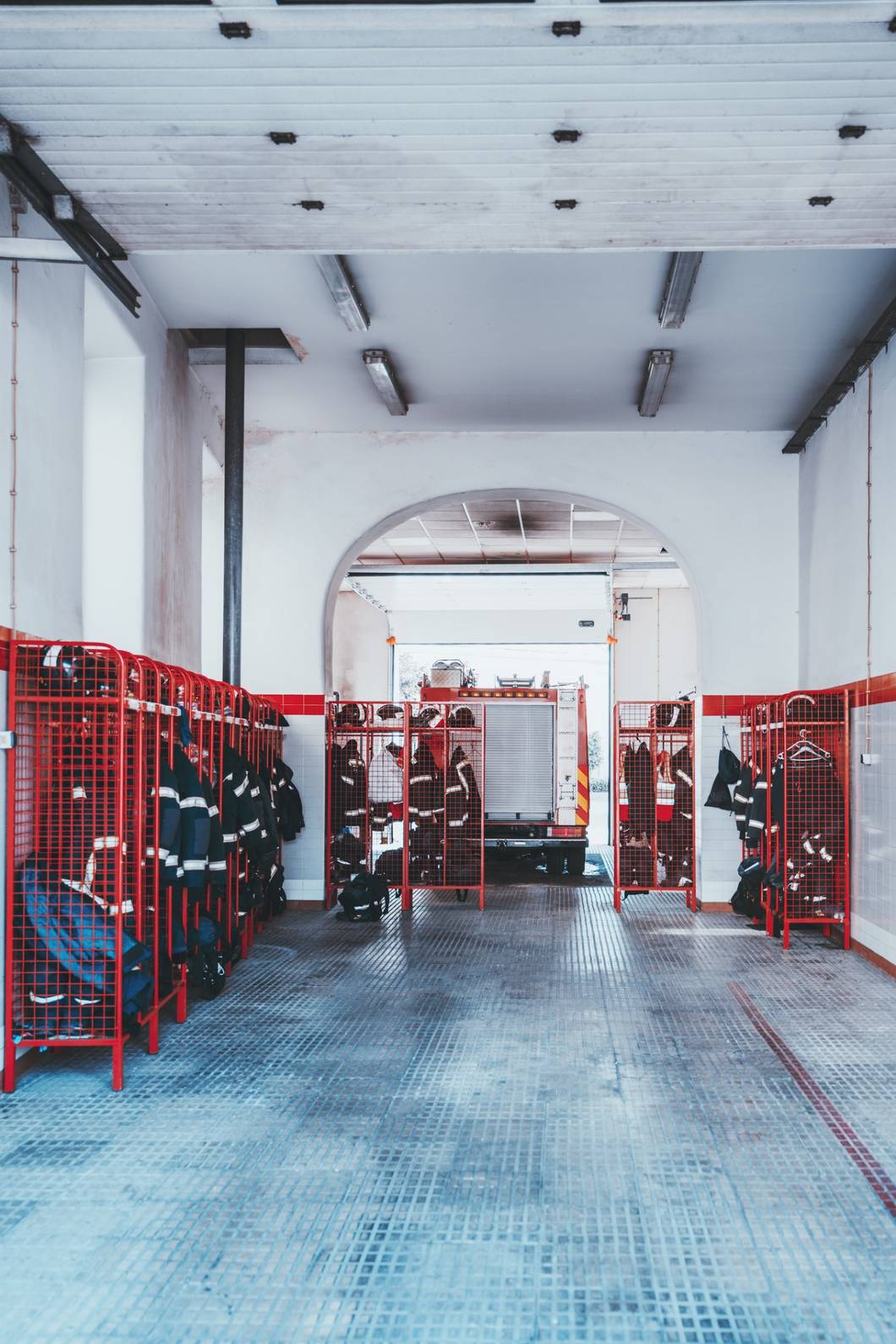
Providing expert consultation to recommend flooring systems that meet the chemical resistance, slip resistance, and durability requirements of apparatus bays, dormitories, and administrative areas.

Installing moisture-resistant and antimicrobial flooring systems for locker rooms, shower facilities, and decontamination areas where hygiene is a safety requirement.

Scheduling installation around shift rotations and station operations to keep facilities functional and minimize disruption to active public safety personnel.

Offering impact-resistant flooring solutions for weight rooms, fitness areas, and training spaces that support the physical readiness demands of public safety personnel.

Conducting on-site assessments to evaluate subfloor conditions, drainage requirements, and load-bearing needs in apparatus bays and heavy equipment areas.

Providing comfortable, durable flooring for dormitories, day rooms, and administrative offices where personnel spend extended hours between calls.

Completing professional subfloor preparation and leveling to support long-term floor performance in high-traffic corridors, locker rooms, and common areas.

Coordinating procurement directly with trusted manufacturers to deliver competitive pricing for municipal budgets and public procurement requirements.

Supplying chemical-resistant, slip-resistant flooring options engineered to handle fuel, oil, hydraulic fluid, and cleaning agent exposure in apparatus bays and service areas.

Assisting with documentation for ADA compliance, code requirements, and sustainability certifications required for public facility construction and renovation projects.
Flooring Types for Fire Stations and Public Safety Facilities
Rubber Flooring
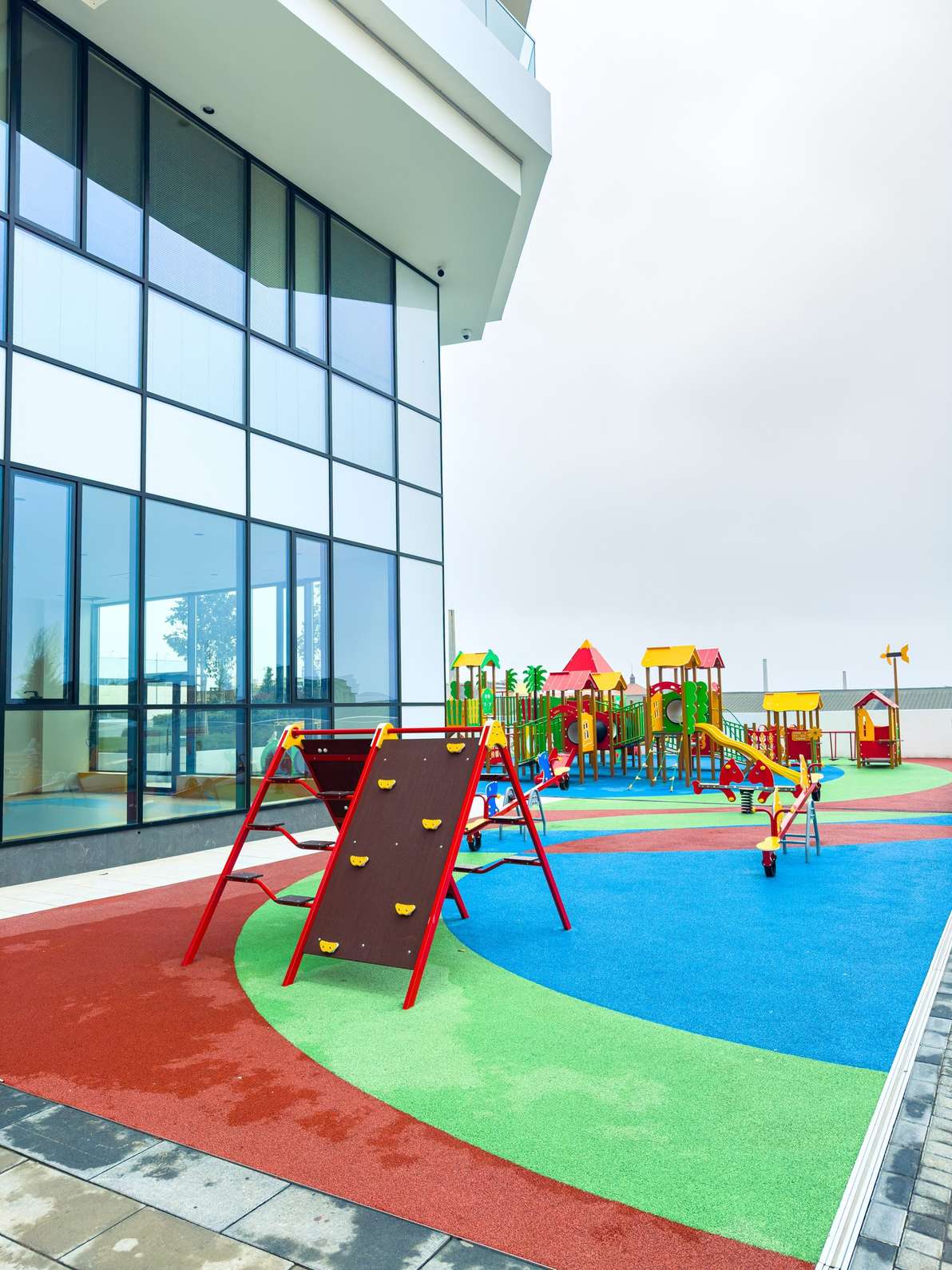
Slip-resistant, impact-absorbing, and easy to clean, rubber is the standard specification for apparatus bays, weight rooms, and high-movement areas where safety and durability are both critical.
Resilient Sheet Flooring
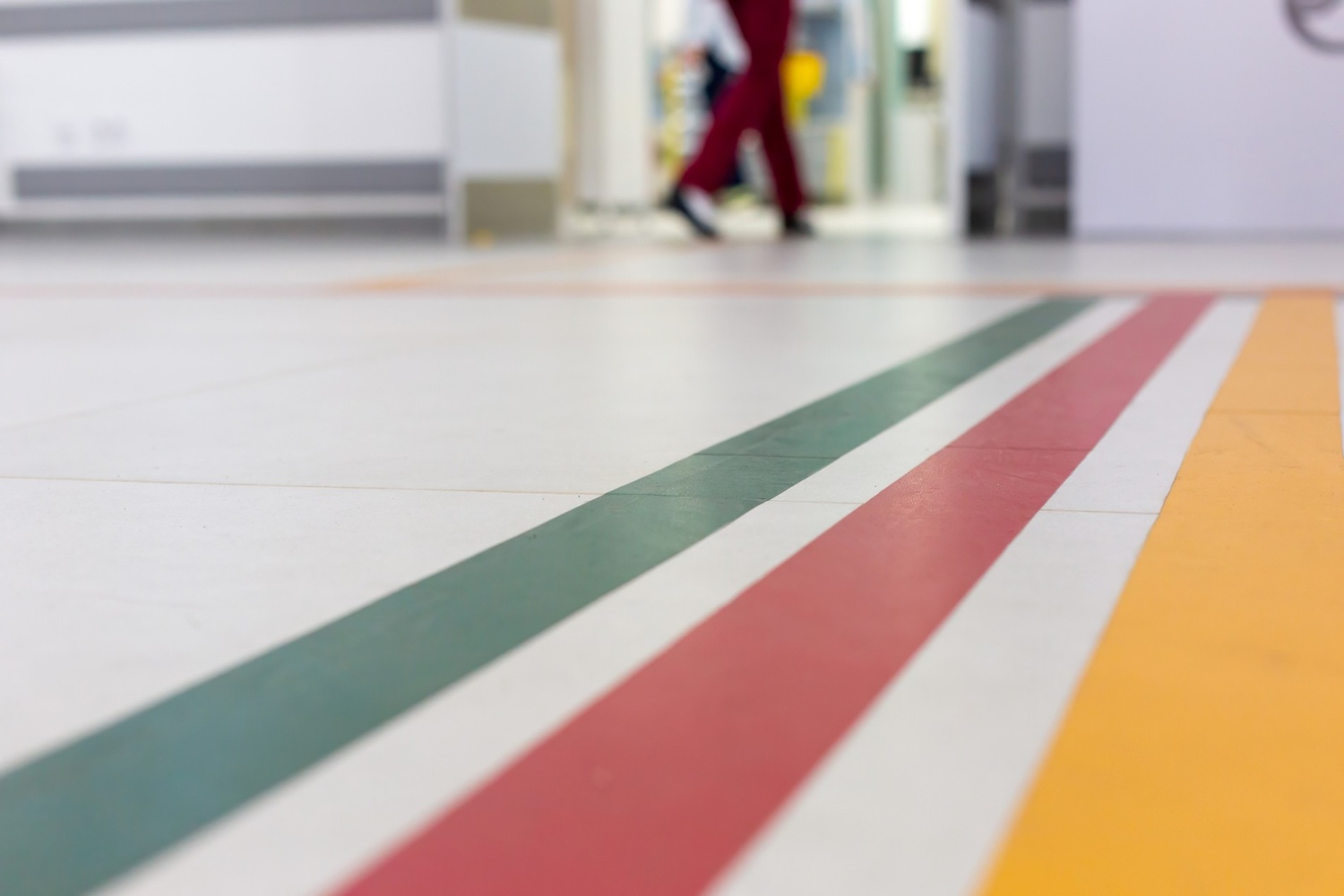
A seamless, hygienic surface for locker rooms, decontamination areas, and shower facilities where moisture resistance and cleanability directly support personnel health and safety.
Porcelain and Ceramic Tile
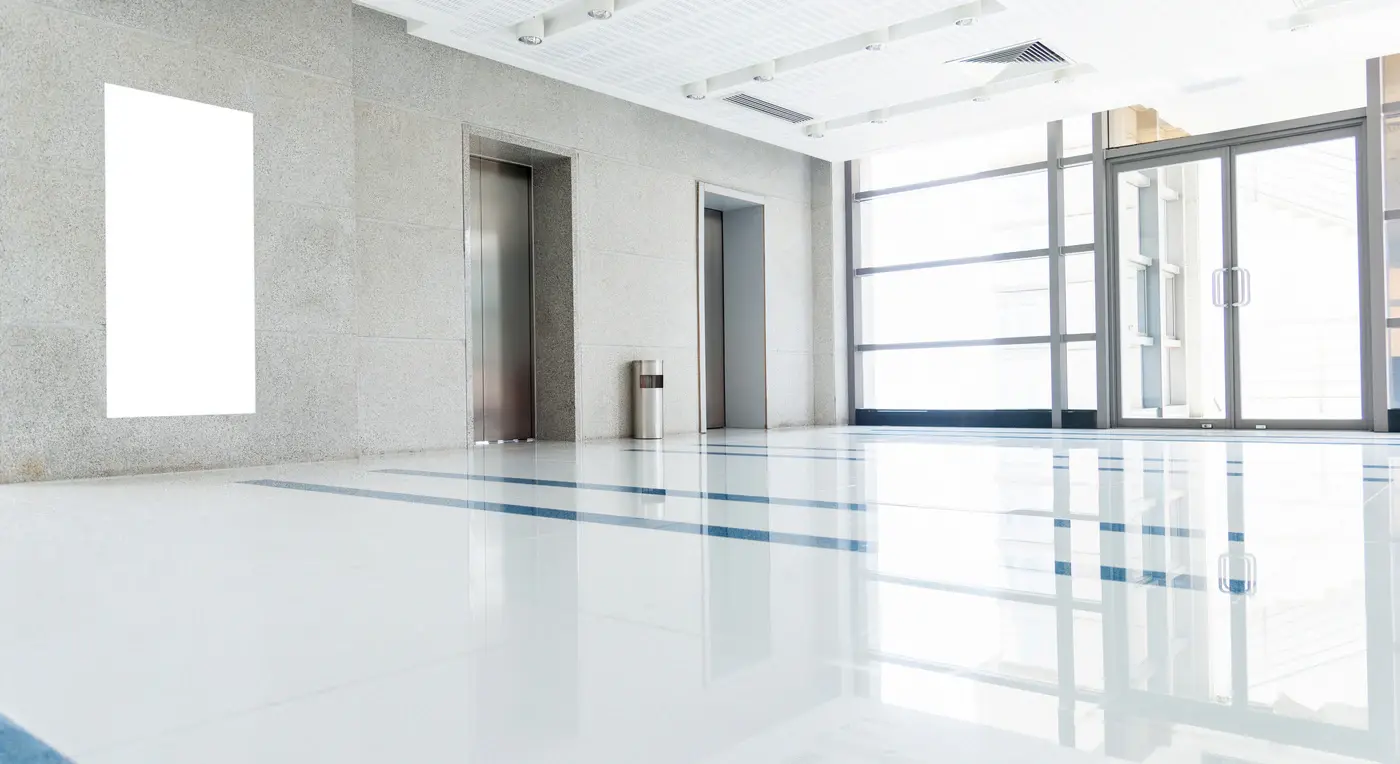
Tough, easy to sanitize, and resistant to the heavy cleaning protocols common in public safety facilities, porcelain and ceramic tile suits kitchens, restrooms, and entry areas.
Luxury Vinyl Tile
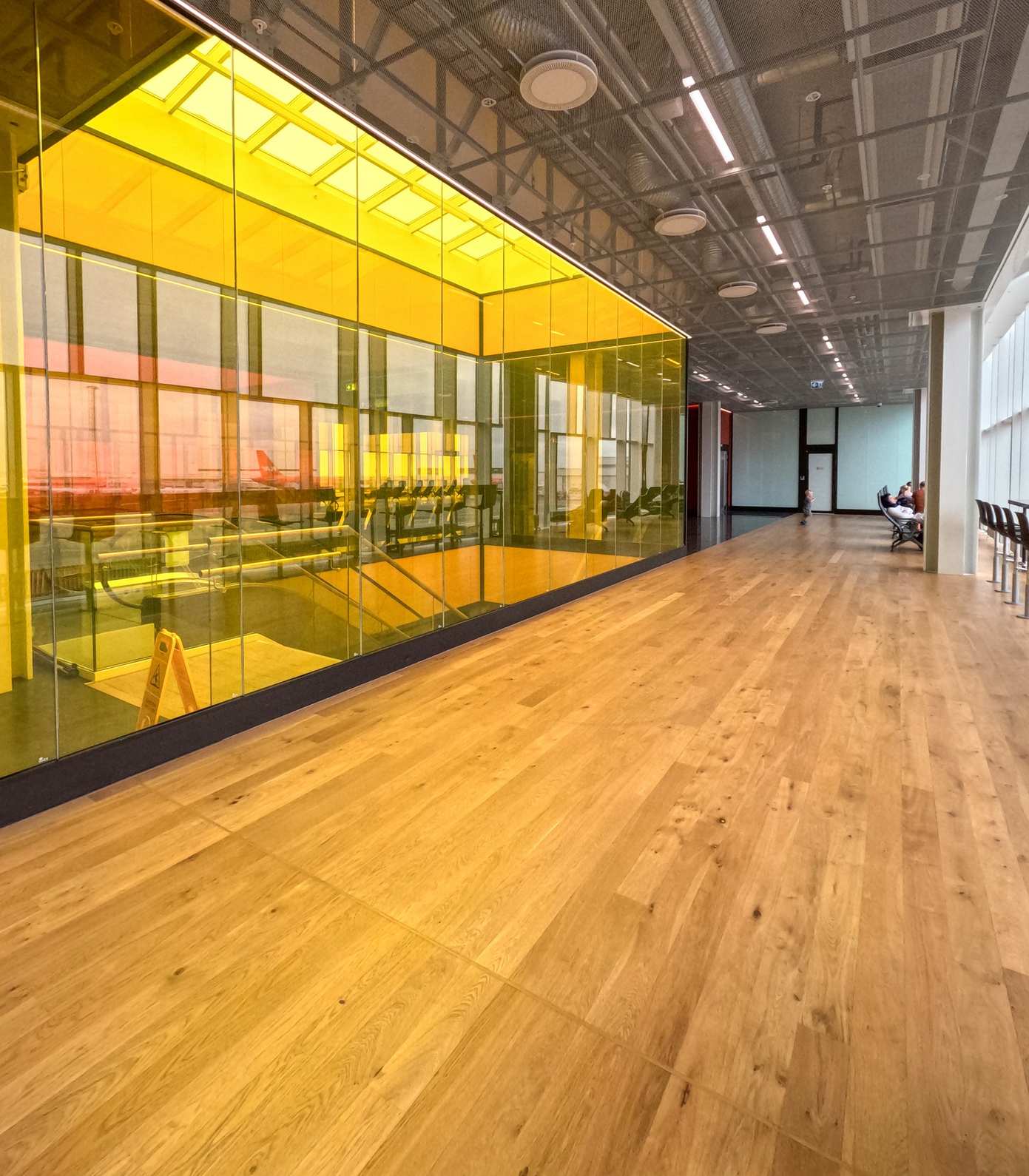
Durable, comfortable underfoot, and easy to maintain, LVT is a practical choice for dormitories, day rooms, administrative offices, and training classrooms within the station.
Hardwood and Engineered Wood
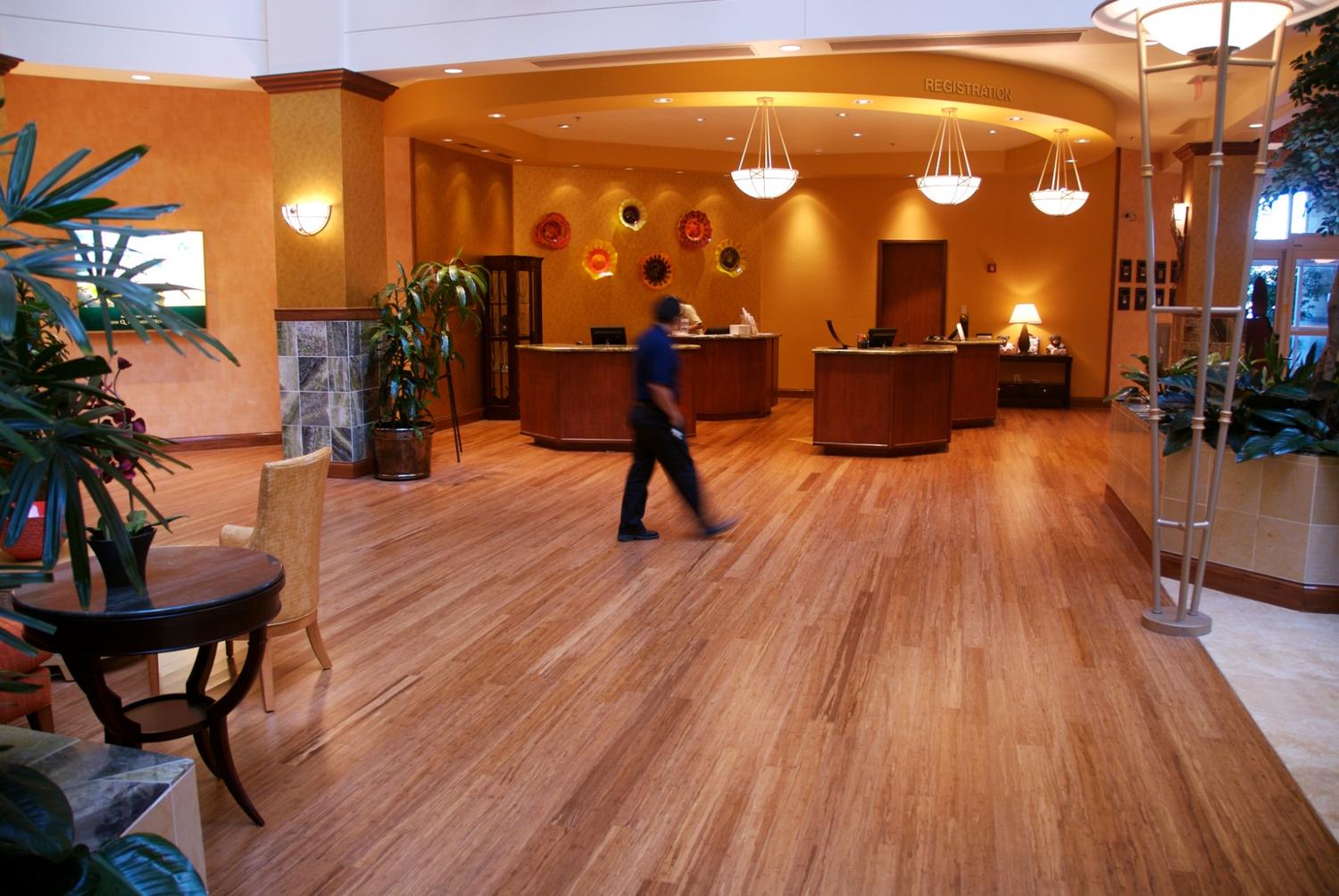
Brings warmth and a professional finish to administrative offices, conference rooms, and public-facing areas within fire stations and municipal public safety buildings.
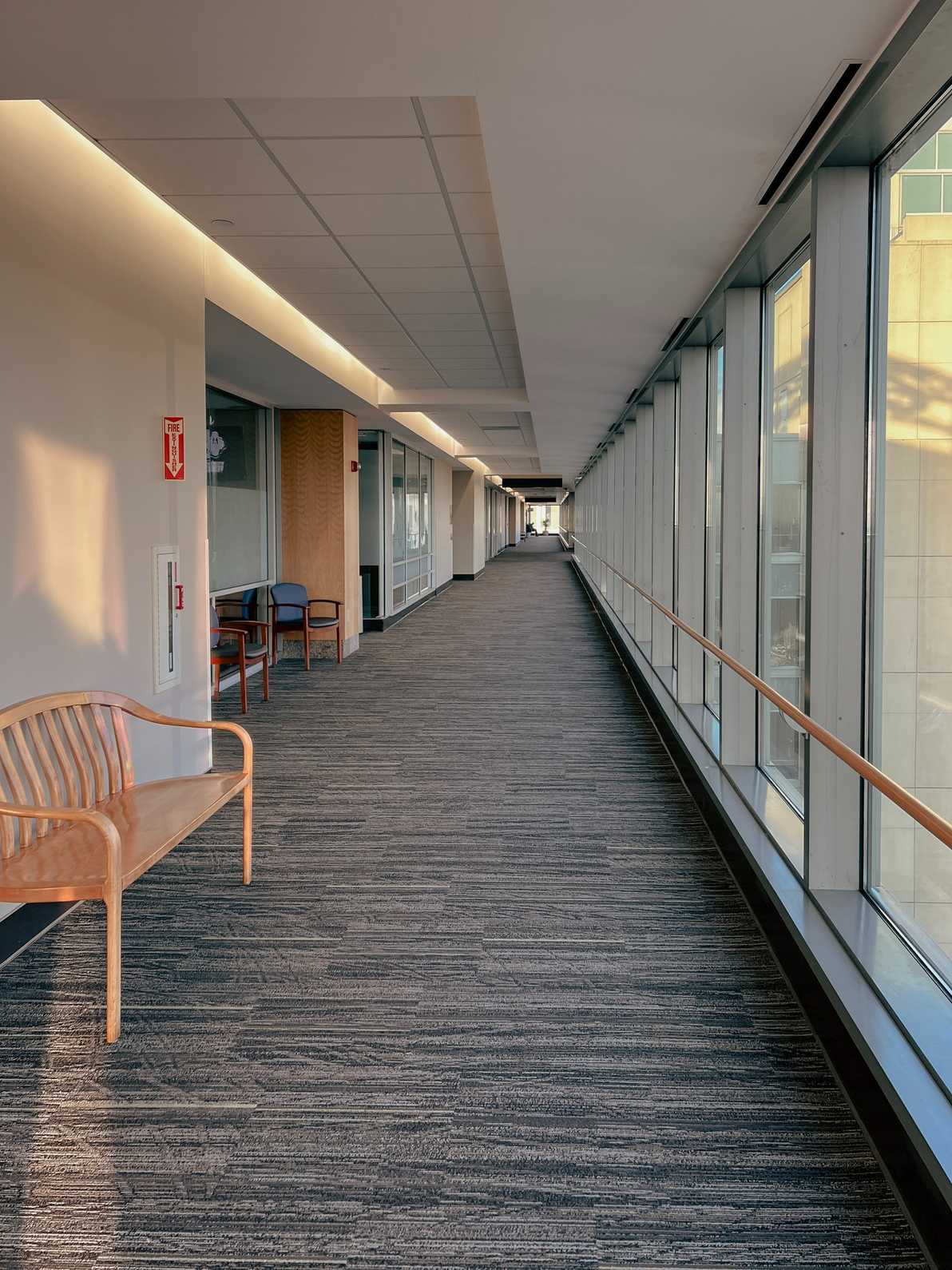
Carpet and Carpet Tile
Sound-absorbing and comfortable, carpet tile suits dormitories, day rooms, and quiet areas within the station where personnel rest and recover between shifts.
Our Work
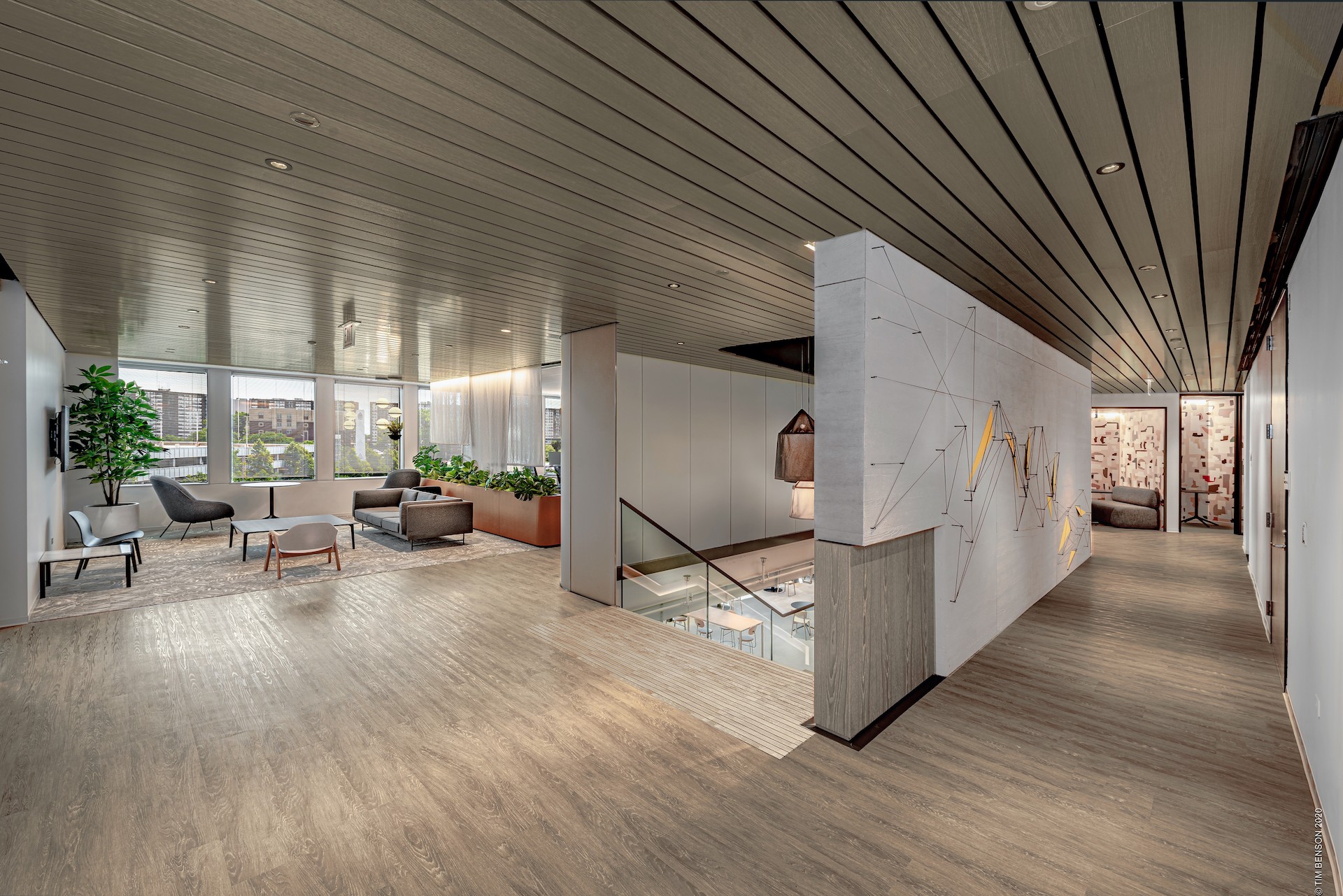
CONSTRUCTION MANUFACTURER
Chicago IL
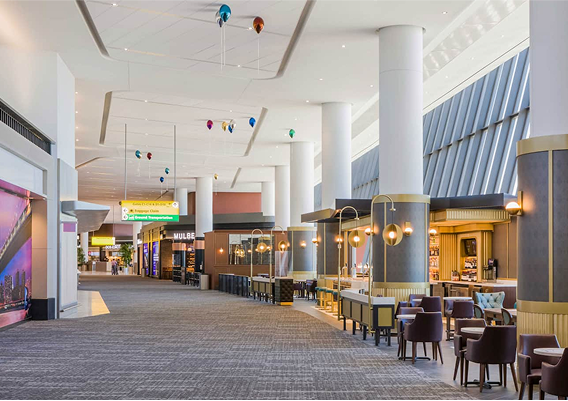
LAGUARDIA AIRPORT
Queens, NY
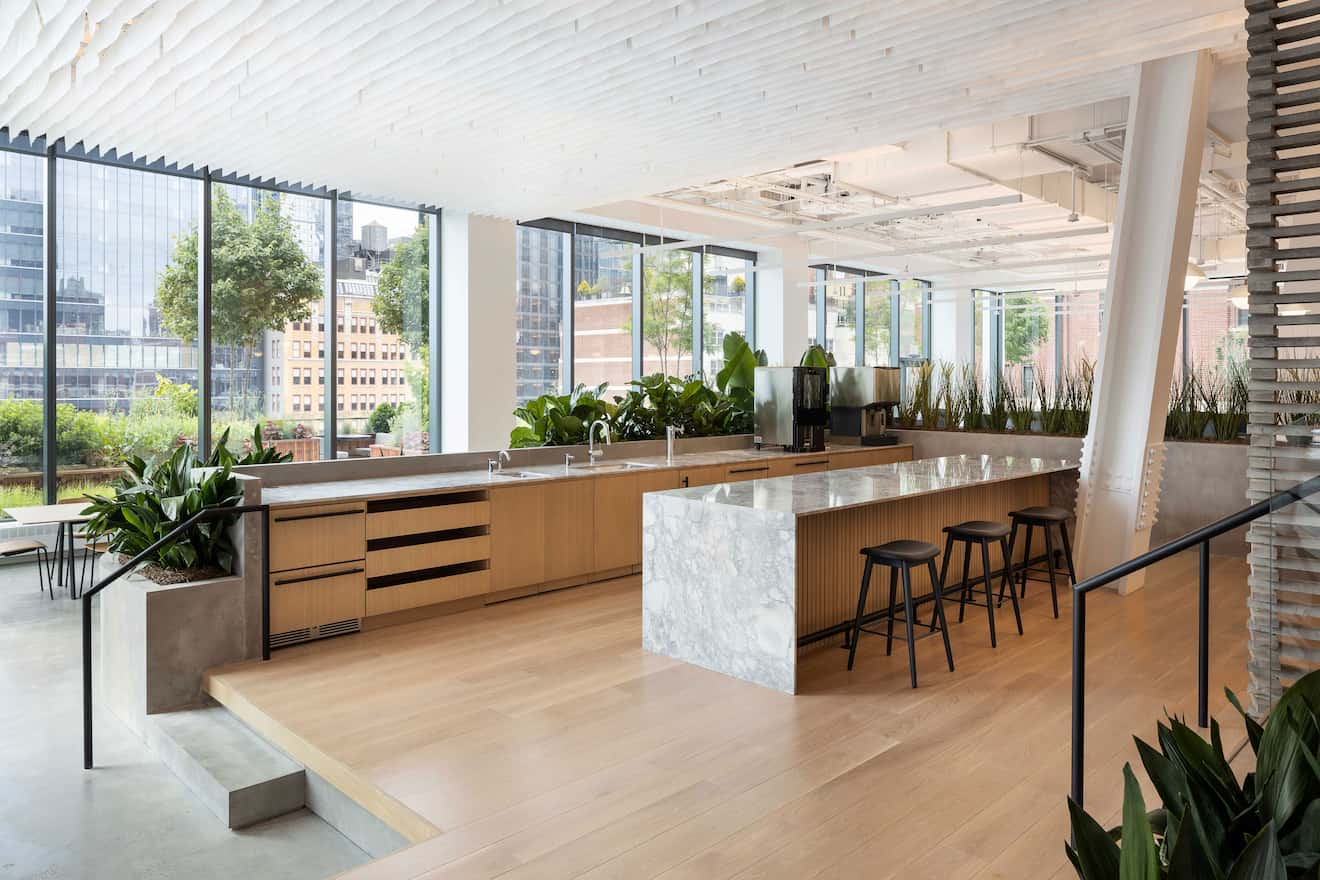
PELOTON
New York, NY
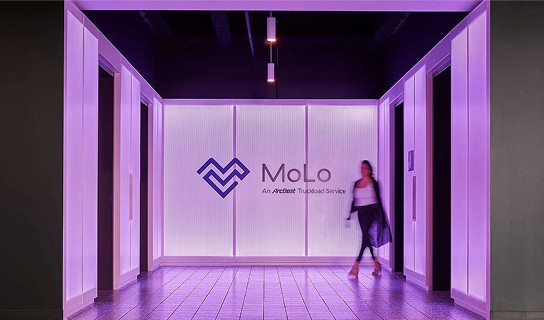
MODERN LOGISTICS
Chicago, IL
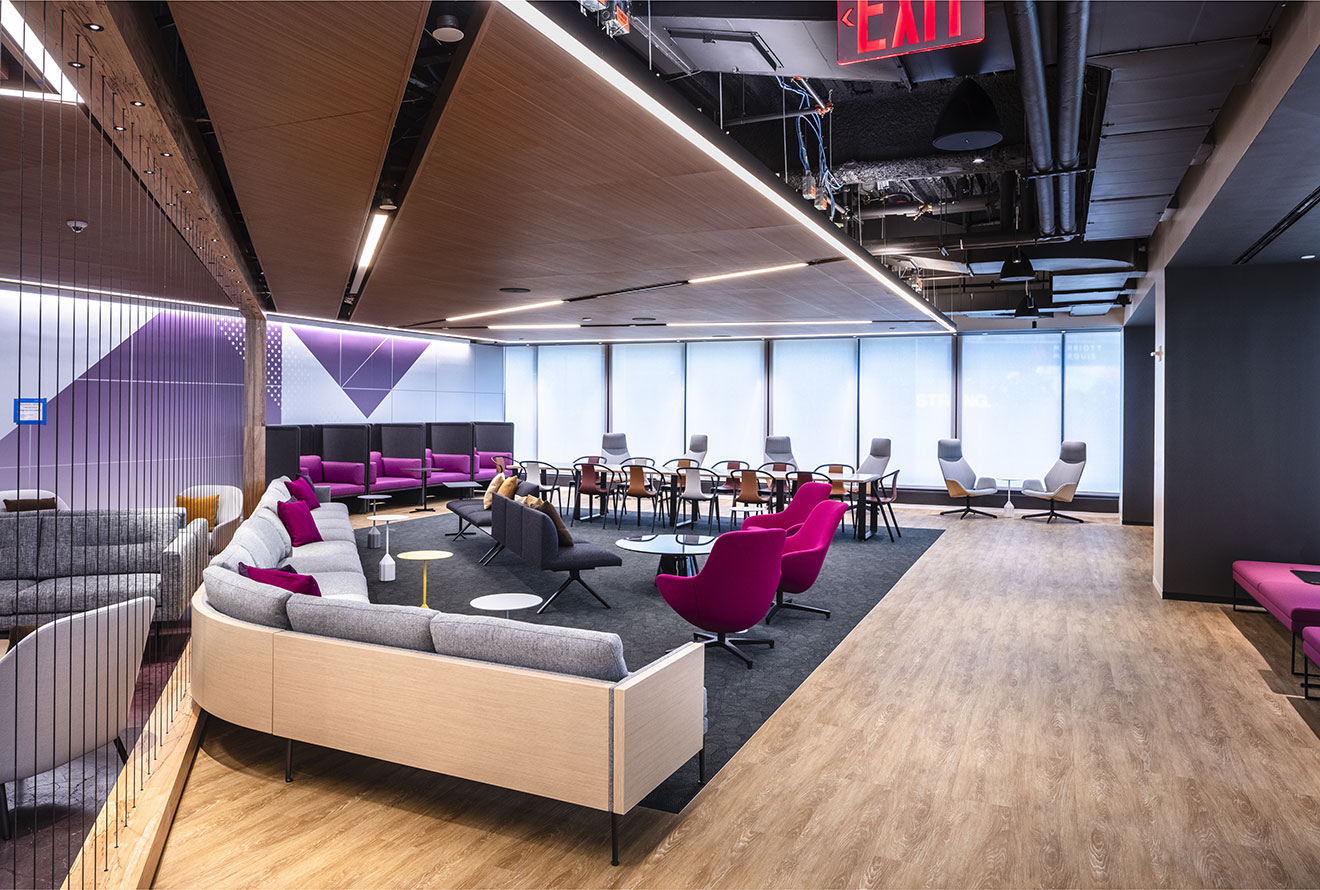
STAGE 8
New York, NY
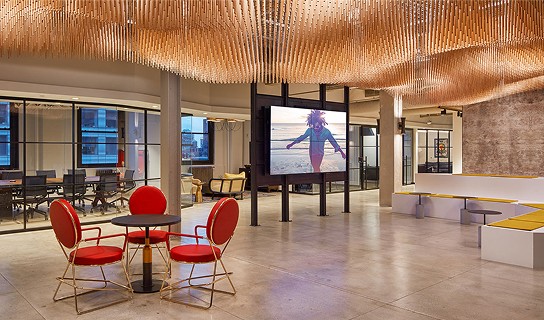
BMG
New York, NY
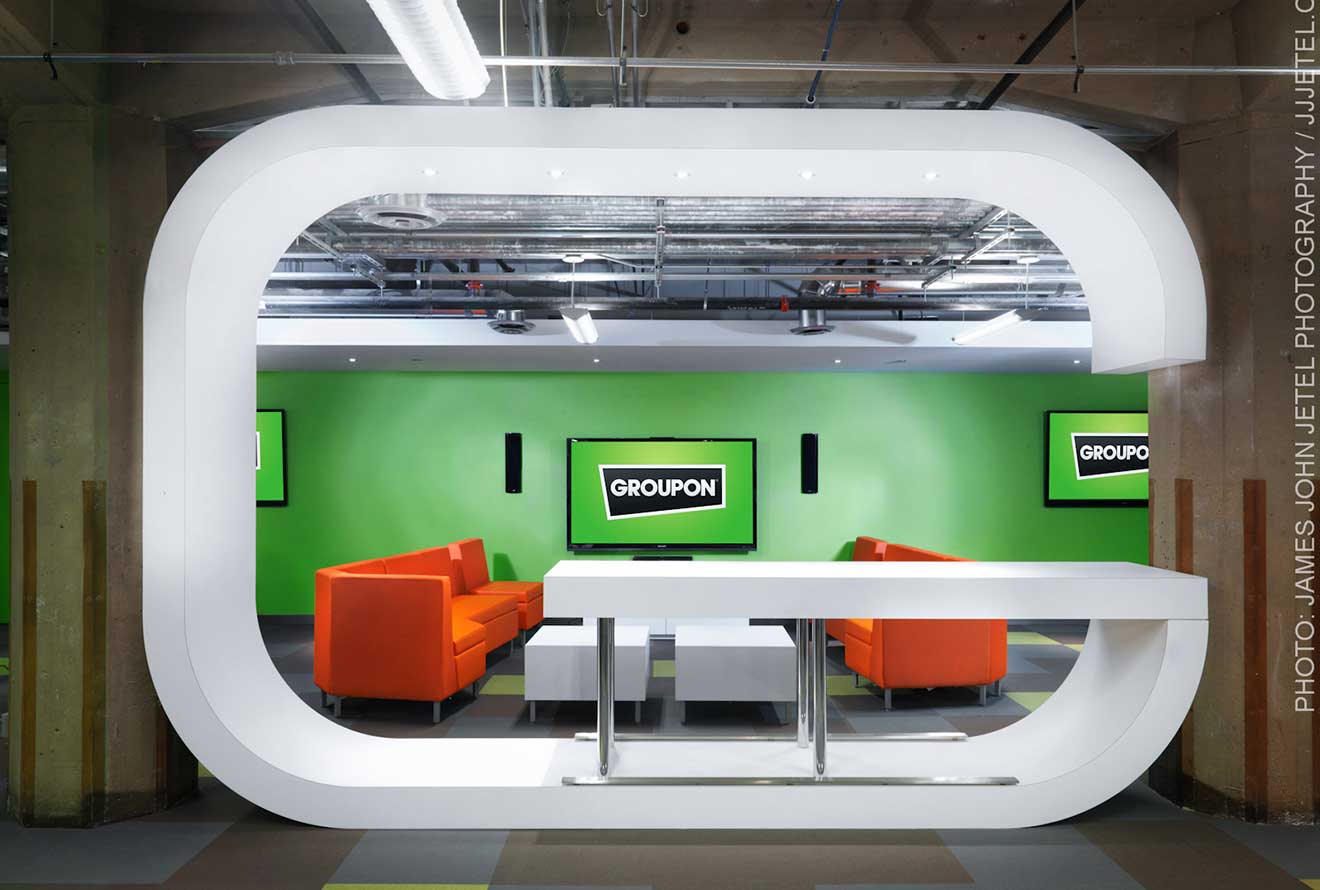
GROUPON
Chicago, IL
NCSA
Chicago, IL

LAW FIRM
Chicago, IL

HAVAS
Chicago, IL
Reach out to us today
We are a family owned Commercial Flooring contractor trusted by contractors, architects and designers for over 80 years.
- Send us an RFP
- Get a quote
- Schedule a Project Walkthrough
We work directly with businesses or through general contractors, architects, and designers.
"*" indicates required fields
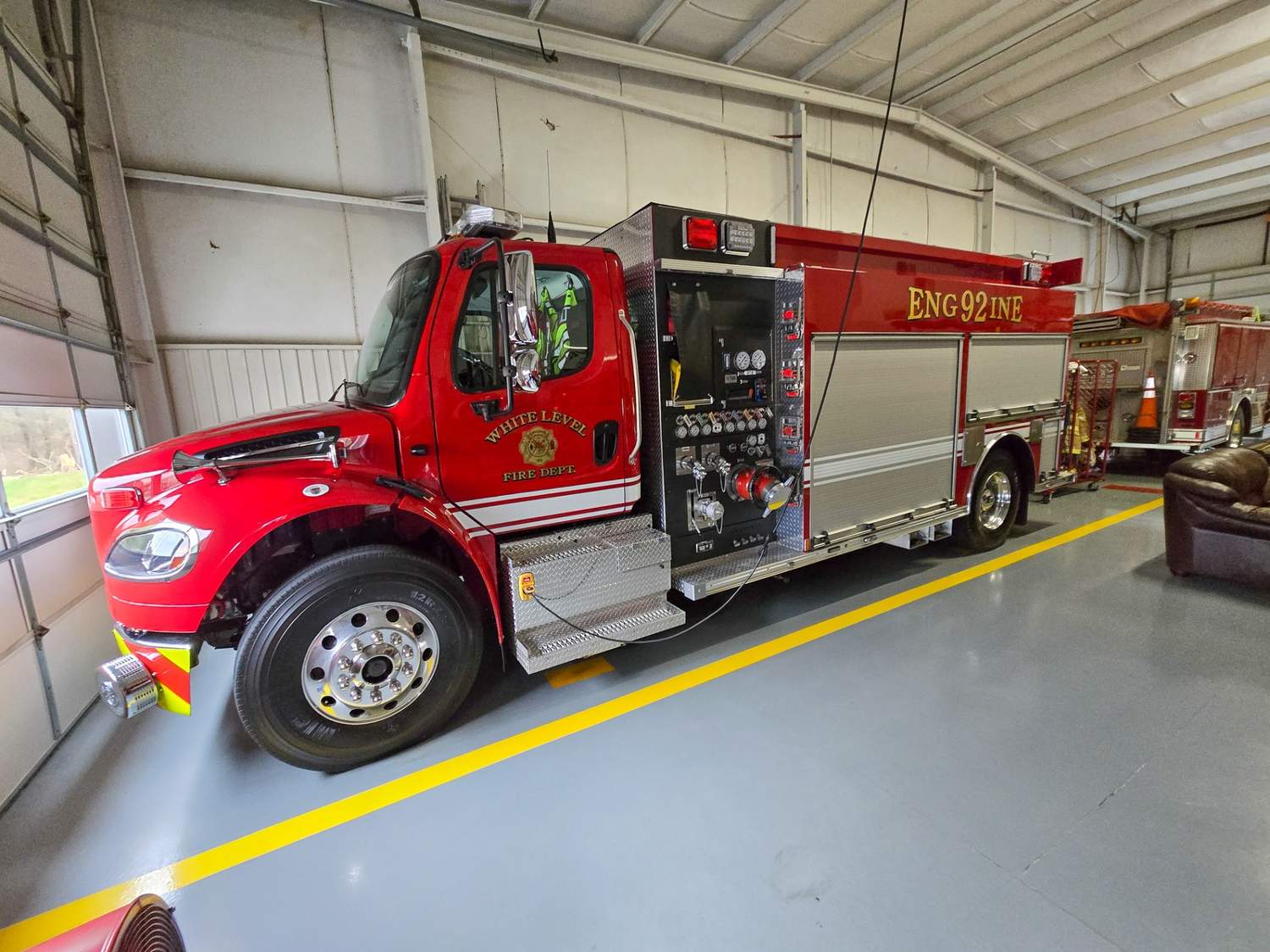
Fire Stations
Durable, Chemical-Resistant Floors for Active Fire Stations
Flooring systems built to handle apparatus bay conditions, heavy equipment loads, chemical exposure, and the constant movement of crews operating on 24-hour shifts.
Police Stations and Law Enforcement Facilities
Resilient Floors for High-Traffic Law Enforcement Environments
Hard-wearing, easy-to-clean surfaces for booking areas, locker rooms, administrative offices, and training facilities that see continuous use across multiple shifts every day.
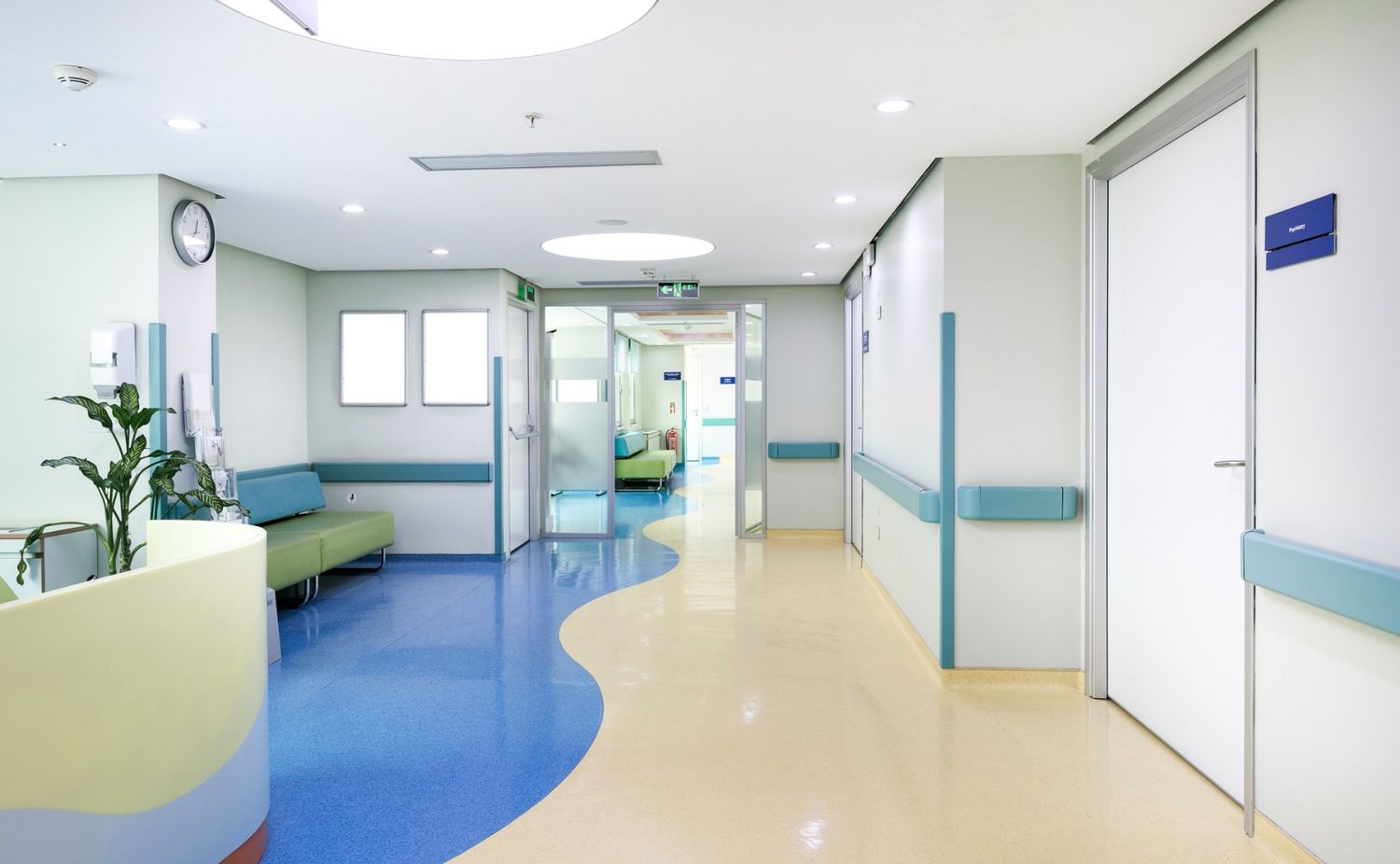
Emergency Medical Services Facilities
Hygienic, Easy-to-Clean Floors for EMS Operations
Seamless, moisture-resistant flooring systems for vehicle bays, decontamination areas, and crew quarters where sanitation standards directly support personnel safety and patient care.
Municipal and Government Training Facilities
Impact-Resistant Floors for Public Safety Training Environments
Rubber and resilient flooring systems built for the physical demands of fitness training, tactical exercises, and scenario-based instruction that public safety training programs require.
Reach out to us today
We are a family owned Commercial Flooring contractor trusted by contractors, architects and designers for over 80 years.
- Send us an RFP
- Get a quote
- Schedule a Project Walkthrough
We work directly with businesses or through general contractors, architects, and designers.
"*" indicates required fields
Frequently asked questions
What Types of Flooring Are Used in Fire Stations?
Fire stations have more distinct functional zones than most commercial buildings, and fire station and public safety flooring solutions address each one differently. The right material for an apparatus bay is completely wrong for a dormitory — zone-specific specification is the baseline requirement, not a premium.
Apparatus Bays
Sealed concrete, epoxy broadcast systems, urethane cement, and polyaspartic coatings are the standard here. They’re seamless, non-porous, chemically resistant, and built to handle rolling loads from heavy apparatus. Slip resistance is non-negotiable — broadcasted quartz or aggregate finishes add grip without sacrificing cleanability.
Living Quarters, Day Rooms, and Dormitories
LVT, linoleum sheet, and rubber tile are our top picks for residential zones. They’re easy to decontaminate, softer underfoot than concrete, and hold up under around-the-clock occupancy. We typically spec commercial-grade 5 mm wear layer LVT over 2.5 mm LVT in high-traffic living areas — the longevity difference is substantial.
Kitchens and Bathrooms
Seamless sheet vinyl, linoleum, or epoxy-sealed concrete — all non-porous, moisture-resistant, and easy to sanitize. Grout joints and open seams have no business in food prep or wet areas.
Fitness Rooms
Rubber tile or rubber sheet is the standard. It absorbs shock from dropped weights, stays slip-resistant when wet, and is extremely durable — well-maintained installations routinely reach 20+ years.
Hot Zones and Decontamination Areas
Sealed concrete or epoxy — the surface must be seamless and non-porous so contaminants can be fully washed out after every return. This is one of the most consequential spec decisions in any fire station renovation.
Vestibules and Walk-off Areas
Walk-off carpet or entrance mats at building entries pull carcinogens and debris from boot soles before personnel move into living spaces. It’s a low-cost contamination control layer that makes a measurable difference.
Why Does Flooring Matter for Firefighter Health and Contamination Control?
Flooring is on the front line of contamination control in any fire station, and the science on this has become impossible to ignore. Carcinogens tracked in from fire scenes accumulate on porous surfaces — carpet especially — and contribute to long-term health risks when they’re not fully removed between calls.
The “clean bay” design principle calls for hard, non-porous, seamless flooring throughout apparatus and decontamination zones so that surfaces can be washed down and sanitized after every scene return. Many departments have moved away from carpet in living areas entirely, replacing it with LVT or sealed concrete that can be fully disinfected without retaining particles.
In hot zones and gear storage areas, seamless surfaces with no grout joints or seams are the spec standard — any gap is a place where contamination can hide. NFPA best practices on contamination control in fire station design support hard, non-porous surfaces throughout these zones, and the flooring systems we recommend are built around that guidance.
What Flooring Is Best for Fire Station Apparatus Bays?
Apparatus bay flooring has to handle a lot simultaneously: rolling loads from heavy fire trucks, chemical exposure from oil, fuel, and hydraulic fluid, thermal shock from cold outdoor temps to hot water washdowns, and constant 24/7 use. Epoxy broadcast systems, urethane cement, and polyaspartic coatings over concrete are the top performers — all seamless, non-porous, and highly resistant to abrasion and chemical damage.
Sealed concrete with an epoxy or urethane topcoat is among the most cost-effective long-term solutions. It protects the slab, extends service life, and can be re-coated rather than torn out when it eventually shows wear. Slip resistance ratings should meet ADA coefficient of friction requirements; broadcasted quartz or aggregate finishes accomplish this without making the surface harder to clean.
What to avoid: grouted tile, rubber matting with open joints, or any surface with seams or crevices that trap contaminants. Those materials may look fine on day one, but they create ongoing decontamination problems that are hard to solve after installation.
How Do You Replace Flooring in a Fire Station Without Shutting It Down?
Operational continuity is the central project management challenge on every fire station flooring project — these buildings cannot close, and no crew should ever be left without a functional apparatus bay. Our approach is phased installation: we work zone by zone and bay by bay, keeping at least one apparatus bay and essential living spaces operational throughout.
Night and weekend scheduling is common. Our tradespeople are experienced with off-peak work windows, and we build shift coordination into project planning before a single piece of material hits the floor. Rapid-cure systems — polyaspartic coatings, for example — can return areas to service within hours rather than days, which compresses downtime windows considerably.
Before work begins, we coordinate directly with the station’s operations team on apparatus relocation, shift scheduling, and communication protocols. That pre-project planning is what separates a smooth renovation from one that creates disruptions nobody anticipated.
How Long Does Commercial Flooring Last in a Public Safety Facility?
Lifespan depends on material selection, substrate preparation quality, and maintenance practices — and the biggest variable is almost always prep. The most durable system available will underperform on a slab that wasn’t properly leveled, tested for moisture, or repaired before installation.
In apparatus bays, epoxy and urethane systems typically last 10 to 20+ years with proper substrate prep and periodic topcoat refreshes. LVT in living quarters is rated for 15 to 25 years in commercial applications — 5 mm wear layer LVT outperforms 2.5 mm LVT significantly in high-traffic areas. Rubber tile and rubber sheet in fitness rooms routinely exceed 20 years in well-maintained installations.
Floor preparation — leveling, moisture mitigation, substrate repair, and proper priming — is where longevity is built or lost. We treat prep as non-negotiable on every project, not a line item to value-engineer away.
How Much Does Fire Station Flooring Cost?
Cost varies considerably based on zone, material system, square footage, existing substrate condition, and project phasing requirements. There’s no meaningful per-square-foot number without a site visit — variables like moisture levels, existing floor condition, and phasing complexity all affect total project cost in ways that can’t be estimated remotely.
Apparatus bay epoxy and urethane systems are priced based on material grade, system thickness, required substrate repairs, and decorative finishes or zone striping. LVT for living quarters runs mid-range, with 5 mm wear layer LVT costing more upfront and returning that investment in longevity. Rubber tile and rubber sheet for fitness areas are typically low-to-mid cost with strong long-term value.
Public safety projects often benefit from manufacturer programs and dealer-sourced volume pricing that isn’t available through retail or general contracting channels. A scoped site visit is where we can give you real numbers — not ballpark ranges that shift significantly when we actually see the building.
What Should I Look for When Selecting a Commercial Flooring Dealer for a Fire Station Project?
Multi-zone commercial experience is the most important thing to verify. Fire station and public safety flooring solutions aren’t a single-product job — a qualified dealer knows how to specify different systems for different functional areas within the same building and understands how those systems interact.
Look for a dealer that employs its own skilled tradespeople rather than subcontracting labor. Our mechanics bring deep product-specific knowledge — proper adhesive selection, moisture mitigation, floor leveling, seaming technique — that directly affects how a system performs and how long it lasts. That expertise doesn’t travel well through a chain of subcontractors.
Full-service capability matters: specification assistance, product sourcing, floor preparation, installation, and post-installation maintenance support should all live under one roof. For government and municipal projects specifically, experience with public procurement processes — bid requirements, prevailing wage, certified payroll, DEI/MBE/WBE compliance, and documentation standards — is essential. References in government, institutional, or healthcare markets are a strong proxy for the operational discipline these projects require.
What Is the Difference Between a Commercial Flooring Dealer and a General Contractor for Flooring Work?
A commercial flooring dealer does one thing: flooring. From product specification and sourcing through floor preparation and installation, everything stays in-house under people who specialize in it. A general contractor managing flooring as one of a dozen subcontracted scopes can’t offer the same depth of product knowledge, manufacturer relationships, or accountability.
Working directly with a dealer gives access to a broader product selection, manufacturer warranties, and technical support that typically don’t flow through a GC’s flooring sub. Our tradespeople know the products they’re installing at a level that subcontracted crews often don’t — and that knowledge shows up in the adhesive choices, moisture mitigation decisions, and seaming techniques that determine how long a floor actually lasts.
The accountability structure is also simplified for public sector projects. One point of contact for spec, procurement, installation, and warranty means fewer handoffs and clearer responsibility if something needs to be addressed after the project closes.
Can Fire Station Flooring Meet Sustainability and LEED Requirements?
Yes — and for government and municipal projects, sustainability credentials are increasingly a spec requirement, not a nice-to-have. Most commercial flooring systems used in public safety facilities are available with the documentation that those specs demand.
Low-VOC adhesives and installation systems are standard practice in occupied public buildings and available across all product categories — LVT, rubber, linoleum, and resilient sheet. PVC-free options are available for departments with material restrictions: linoleum and rubber tile are naturally PVC-free. Rubber tile made from recycled tire rubber is common in fitness areas and checks multiple sustainability boxes at once.
LEED-contributing products — materials with EPDs, Declare labels, and Cradle to Cradle certification — are available throughout the Consolidated Flooring product portfolio. We also offer reclamation and landfill diversion programs for end-of-life flooring removal, which matters for departments with sustainability reporting obligations. If your project has specific LEED targets or sustainability requirements, we can build the spec around them from the start.
