Commercial Flooring for Museums, Art Galleries & Libraries
Trusted by






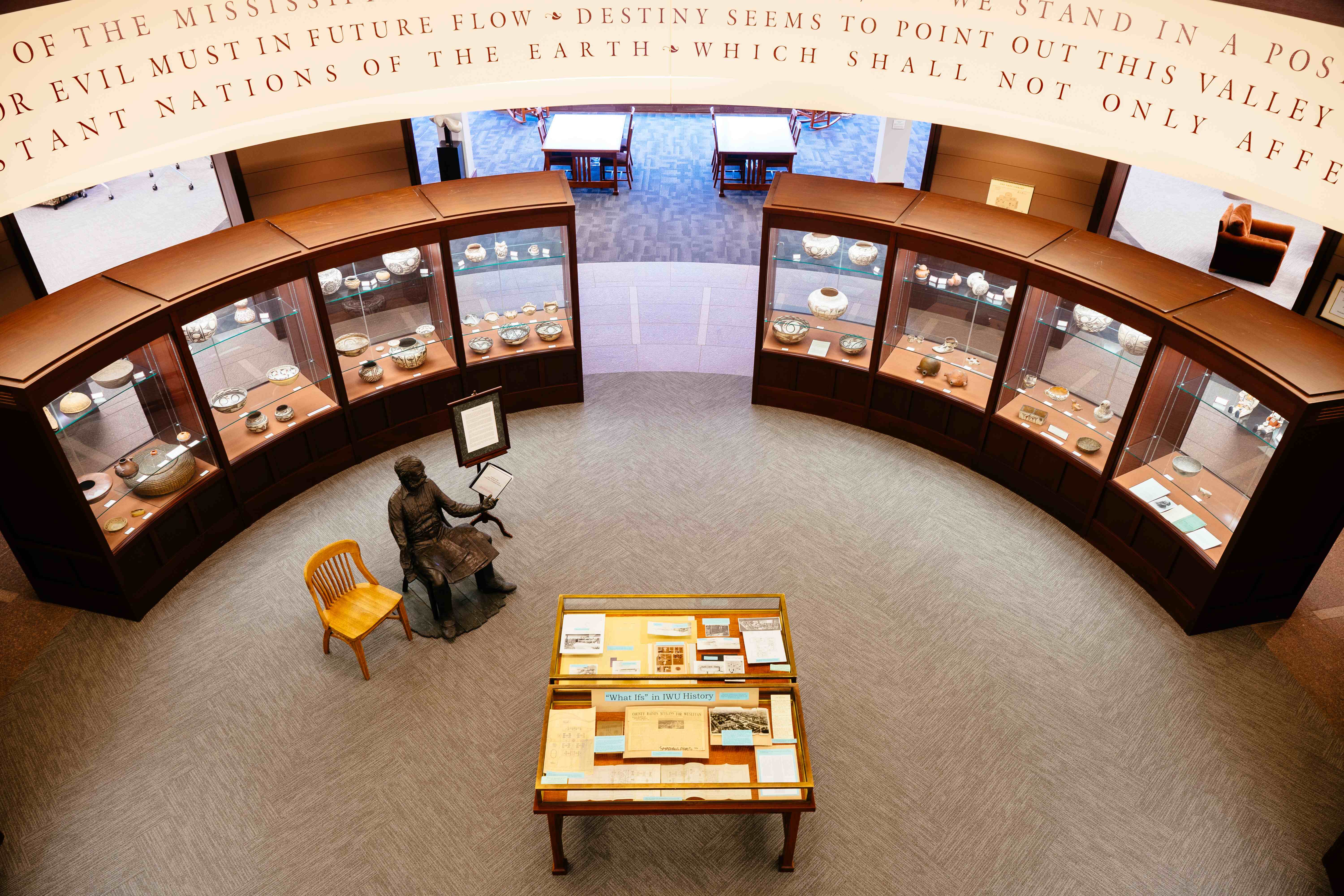
Why Museums, Galleries, and Libraries Choose Consolidated Flooring
Cultural institutions carry a responsibility that most commercial spaces do not: the floors beneath visitor feet must protect irreplaceable collections, support precise climate and acoustic environments, and hold up through decades of daily public access without ever becoming the story.
Consolidated Flooring has spent over 80 years installing commercial flooring in some of the most demanding and detail-sensitive environments in New York and beyond.
Our team works directly with architects, project managers, and facilities directors to specify, source, and install flooring systems that meet the aesthetic standards and technical requirements these spaces demand, on schedules that keep institutions open and collections protected throughout the process.

Providing expert consultation to identify flooring systems that meet the acoustic, aesthetic, and performance requirements of galleries, reading rooms, and public circulation spaces.

Installing sound-absorbing flooring systems that reduce foot traffic noise in reading rooms, galleries, and open study areas without compromising design intent.

Scheduling installation around exhibition calendars, library programming, and public hours to minimize disruption and protect active operations.

Offering slip-resistant and ADA-compliant surface options for public-facing lobbies, circulation corridors, and accessible routes throughout the facility.

Conducting on-site assessments to evaluate subfloor conditions, load requirements, and vibration sensitivity in spaces housing permanent collections or archival materials.

Providing moisture-resistant flooring solutions for lower levels, loading areas, and storage spaces where humidity control is critical to collection preservation.

Completing professional subfloor preparation and leveling to support the flat, stable surfaces required for display cases, shelving systems, and precision installations.

Coordinating procurement from trusted manufacturers to access flooring systems that meet the technical specifications required by institutional architects and conservators.

Supplying low-VOC, off-gassing-controlled flooring options that meet conservation standards for spaces adjacent to or housing sensitive collections.

Assisting with documentation for LEED certification, sustainability requirements, and public institution compliance standards.
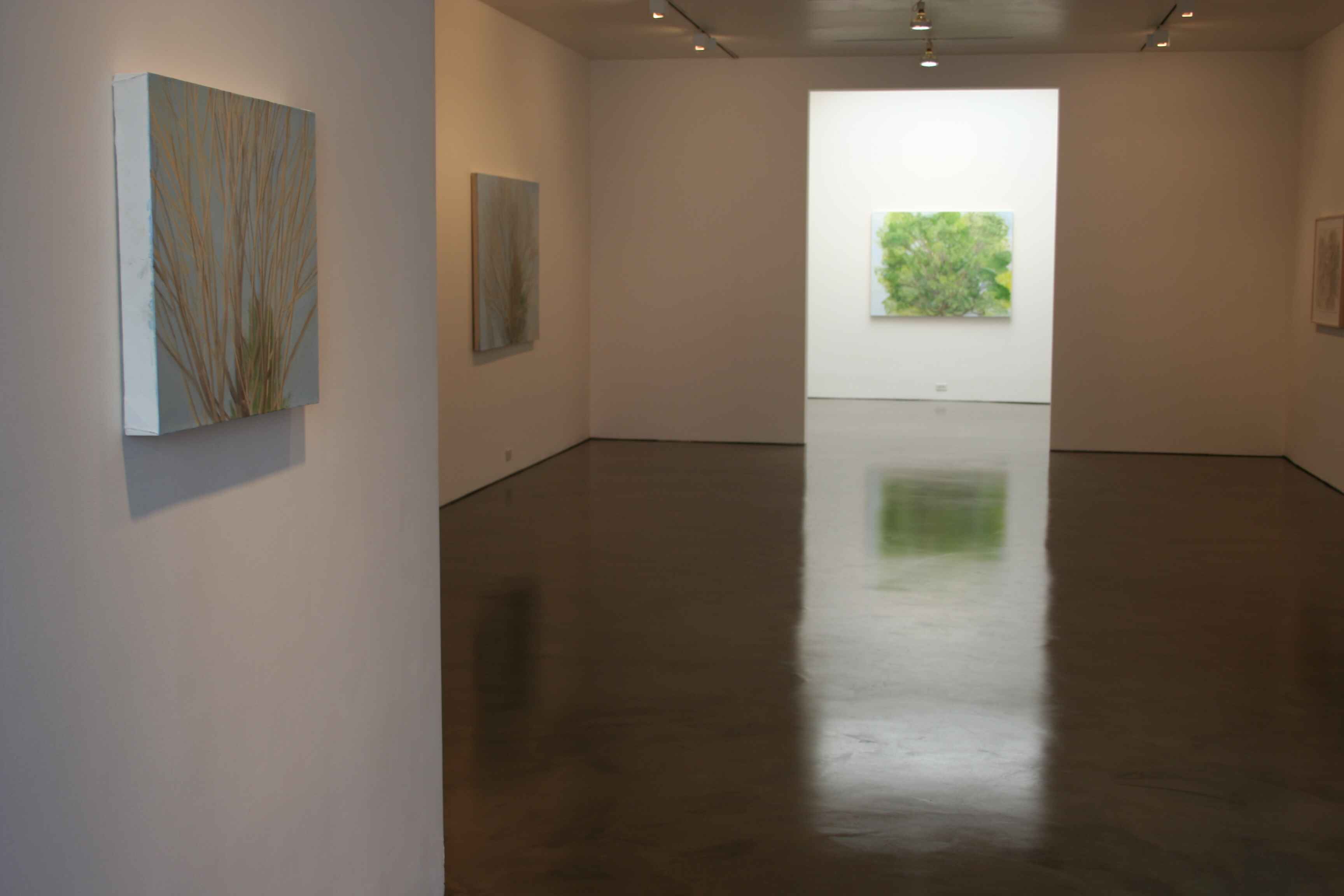
Flooring Types for Museums, Art Galleries & Libraries
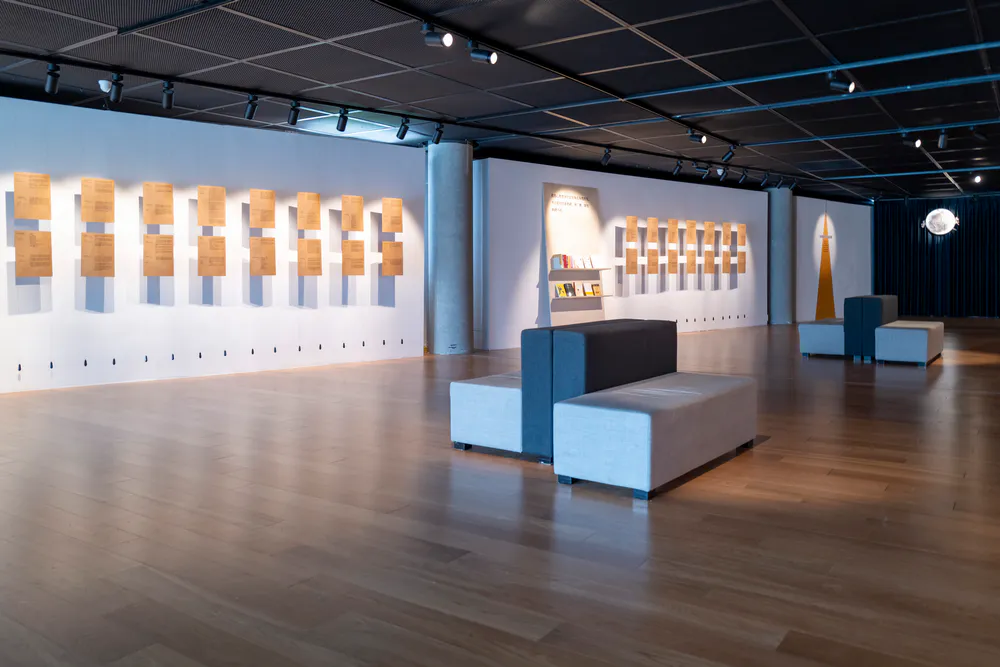
Hardwood and Engineered Wood
A traditional, visually authoritative surface for gallery halls and reading rooms, with the warmth and acoustic profile institutional architects consistently specify.
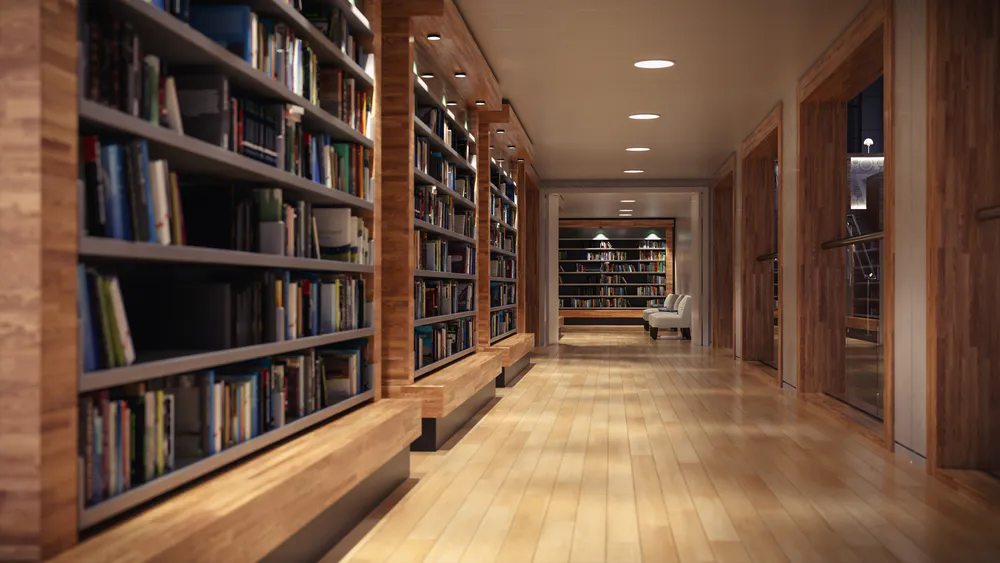
Luxury Vinyl Tile
Durable, water-resistant, and available in finishes that complement archival and gallery aesthetics, LVT handles heavy public foot traffic without showing wear over time.
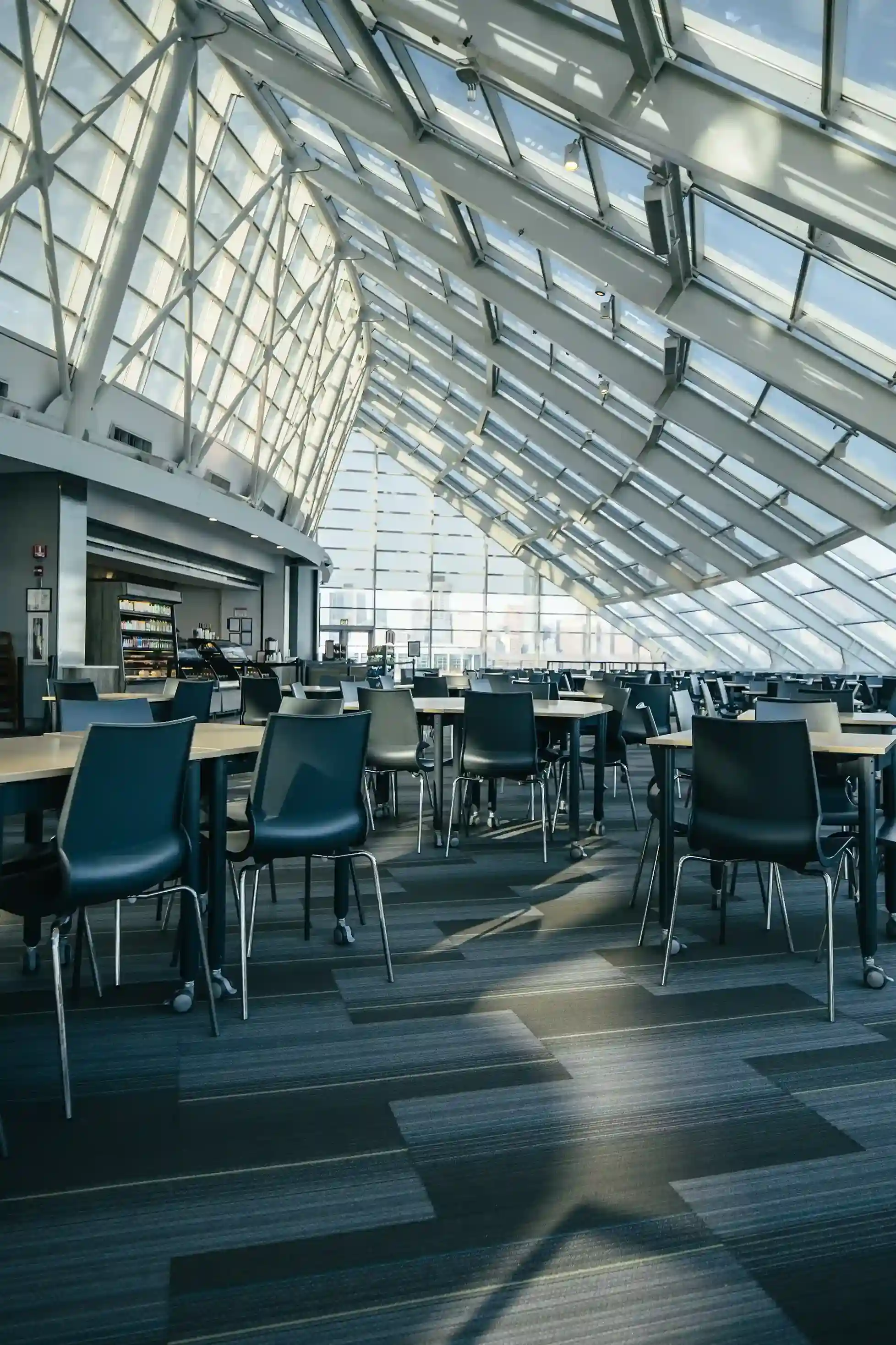
Carpet Tile
Sound-absorbing and visually quiet, carpet tile suits reading rooms, study areas, and collection viewing spaces where acoustic comfort supports the visitor experience.
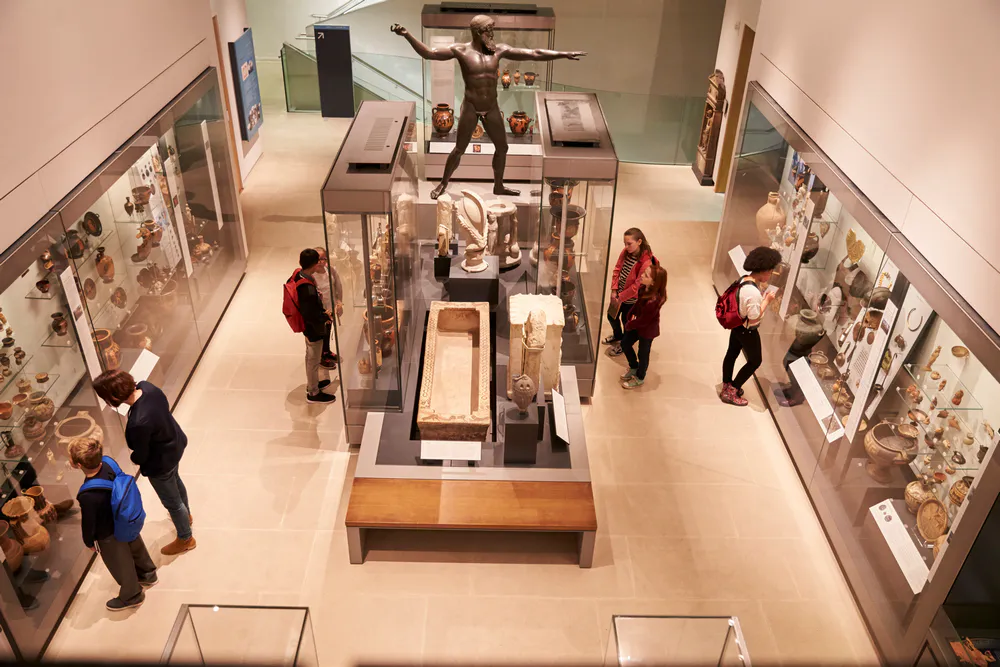
Porcelain and Ceramic Tile
Tough, easy to sanitize, and available in large-format finishes that suit lobbies, transitional corridors, and public-facing circulation areas that see heavy daily use.
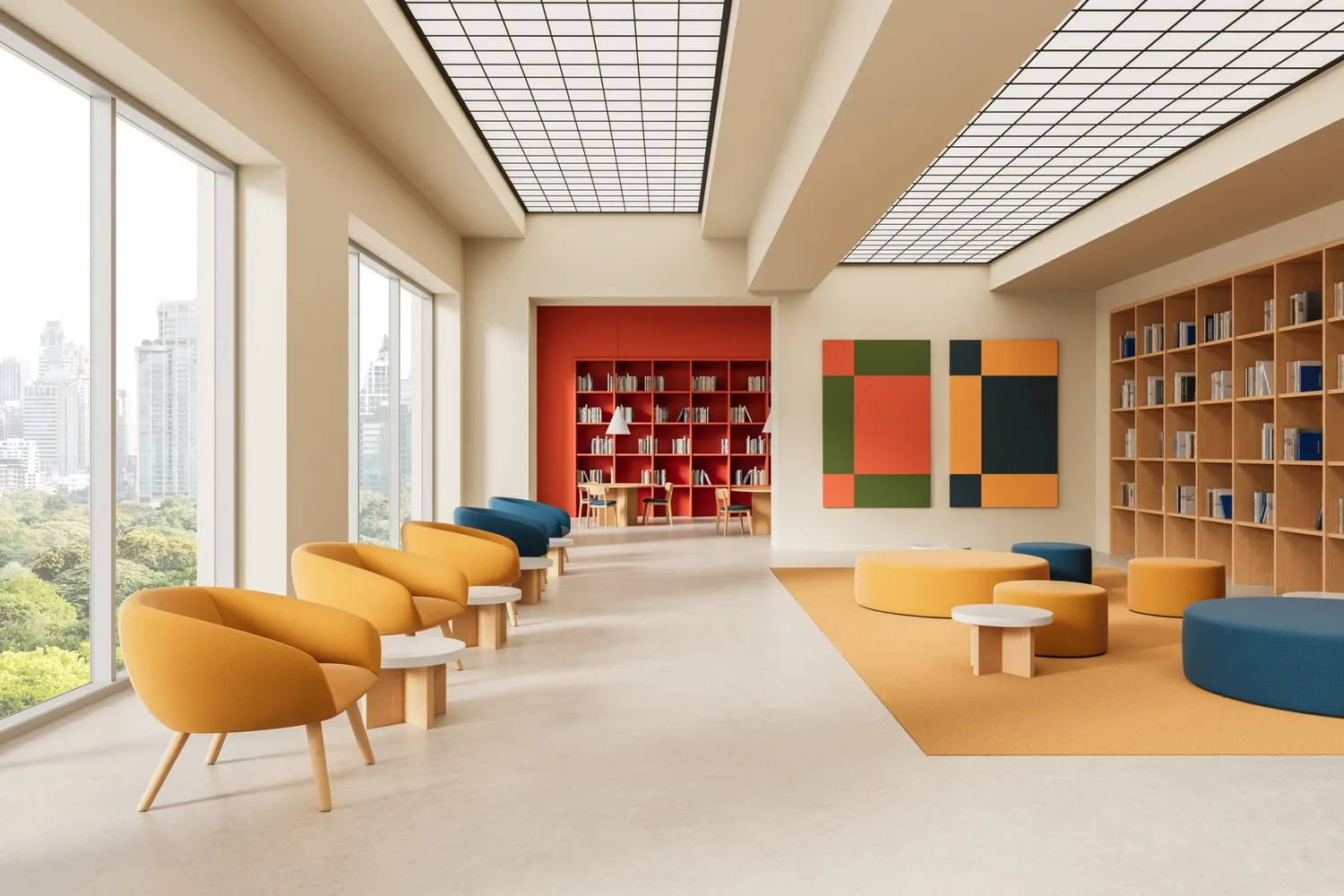
Resilient Sheet Flooring
A seamless, hygienic option for back-of-house areas, conservation workspaces, and storage rooms where cleanability and moisture resistance are both essential.

Rubber Flooring
Slip-resistant and cushioned underfoot, rubber is well suited for loading areas, service corridors, and high-movement spaces where safety and durability take priority.
Our Work
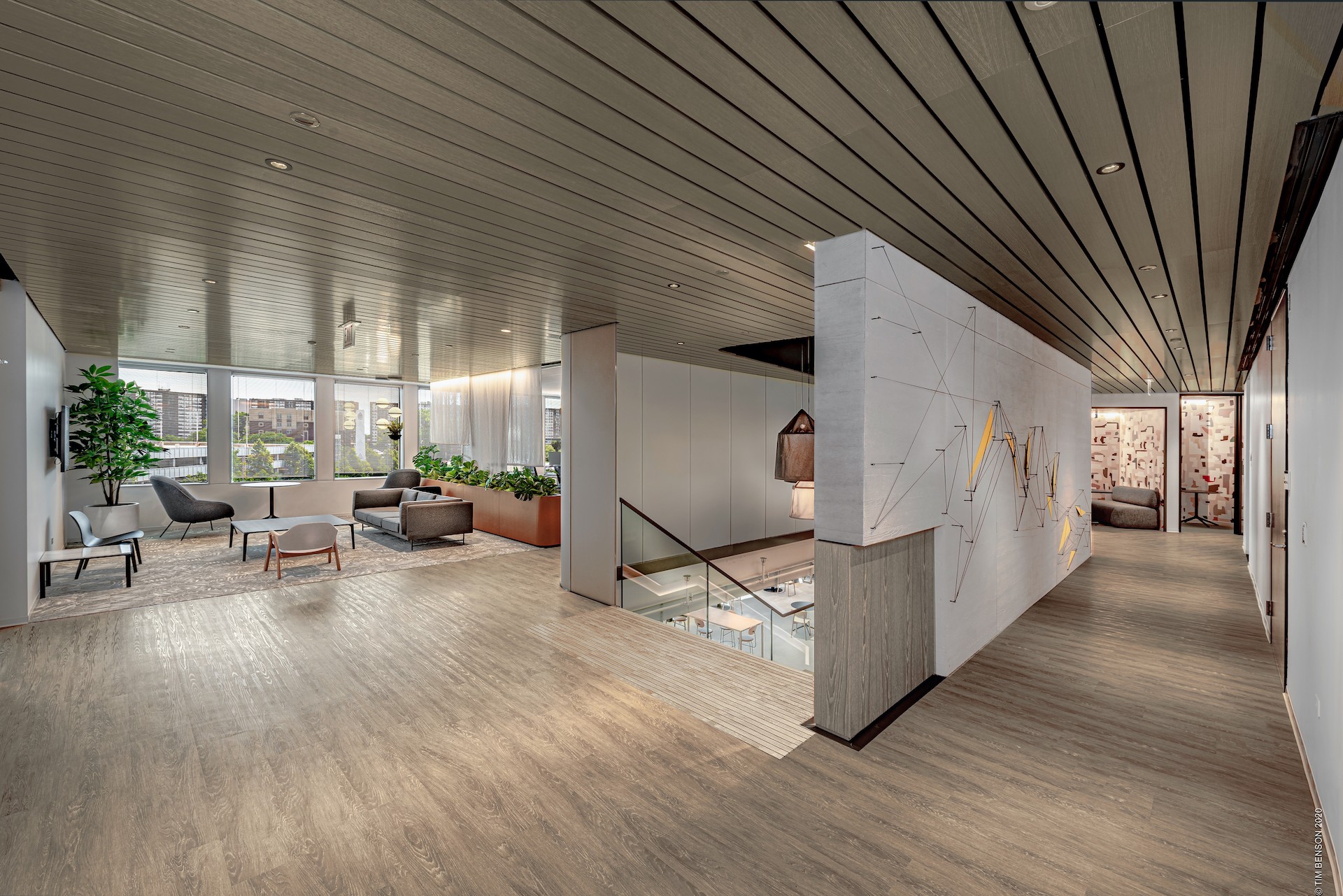
CONSTRUCTION MANUFACTURER
Chicago IL
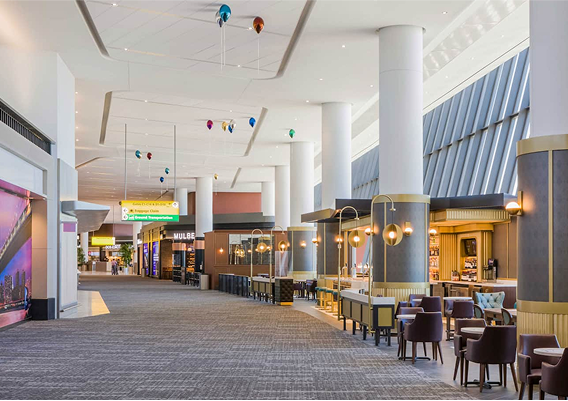
LAGUARDIA AIRPORT
Queens, NY
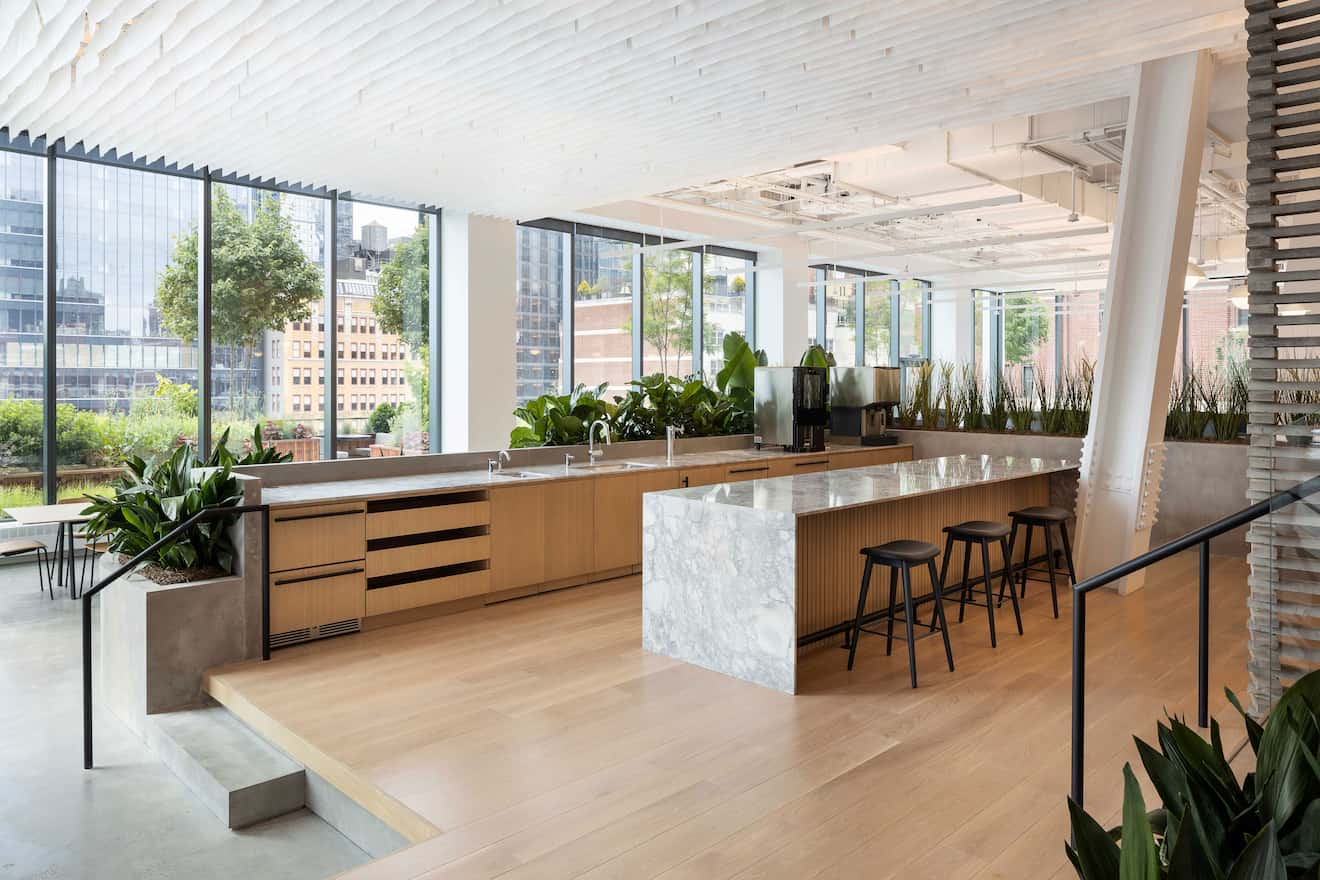
PELOTON
New York, NY
MODERN LOGISTICS
Chicago, IL
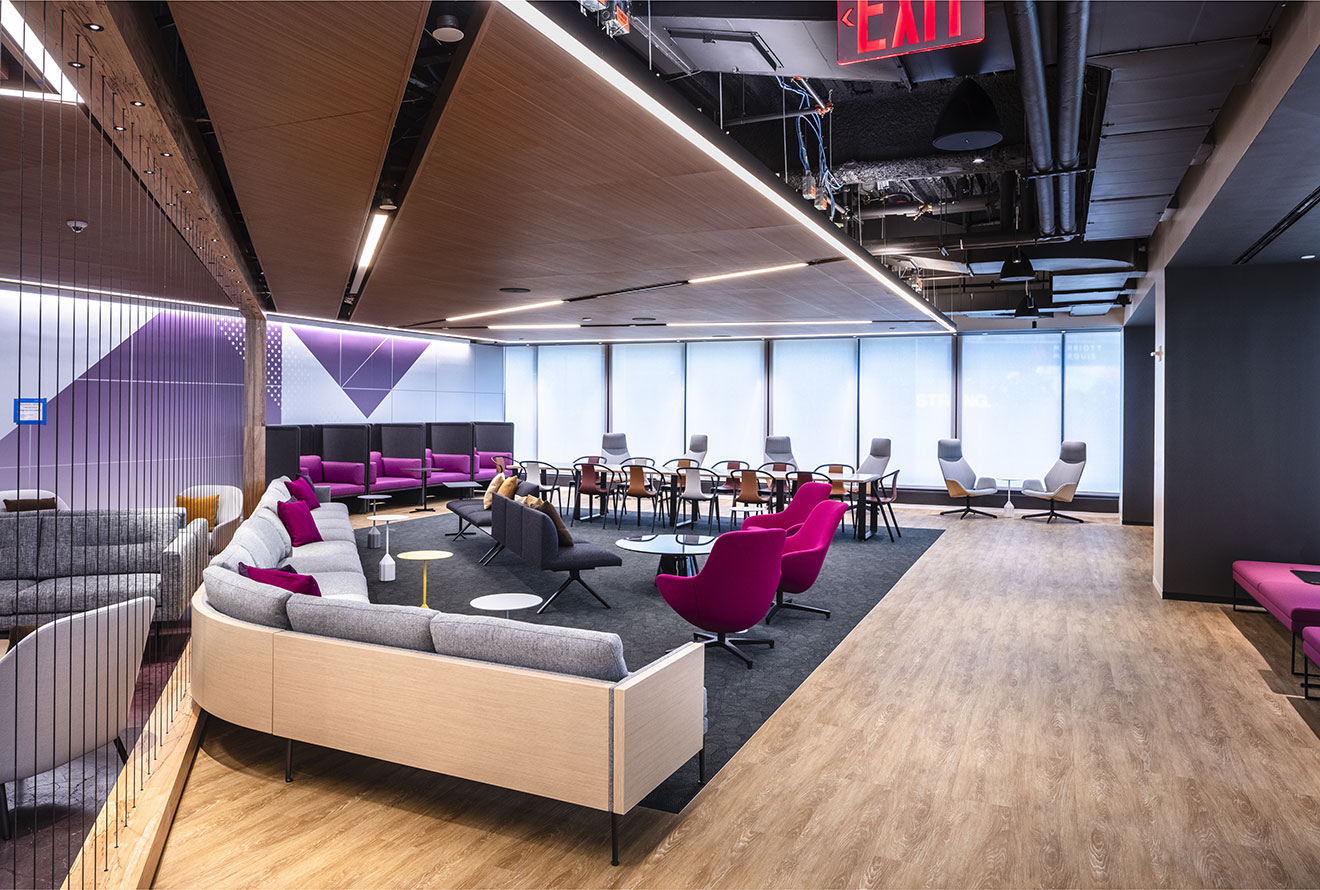
STAGE 8
New York, NY
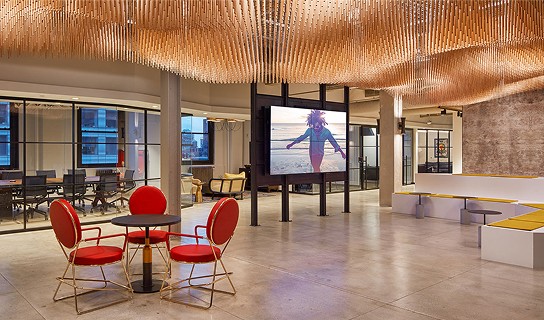
BMG
New York, NY
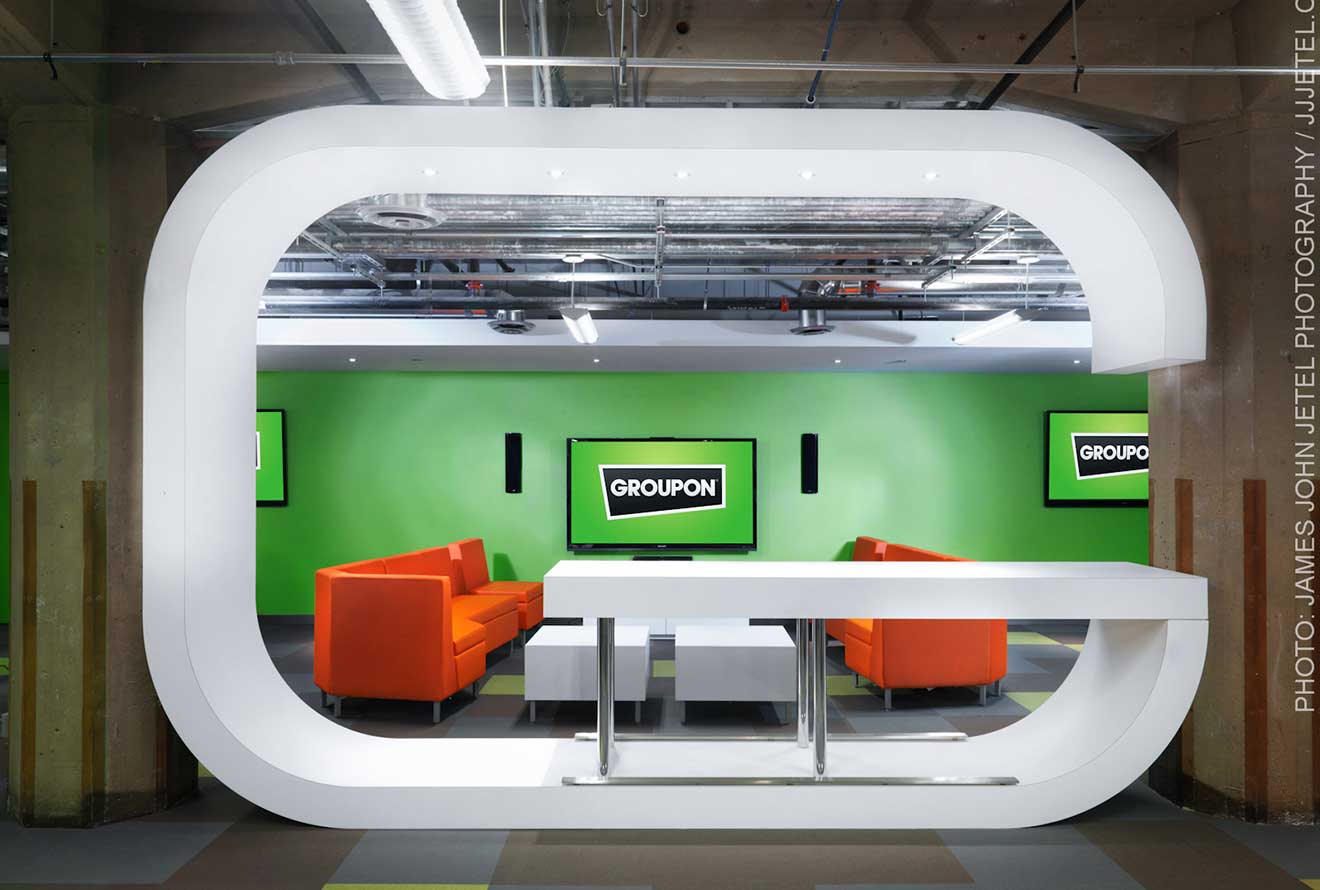
GROUPON
Chicago, IL
NCSA
Chicago, IL
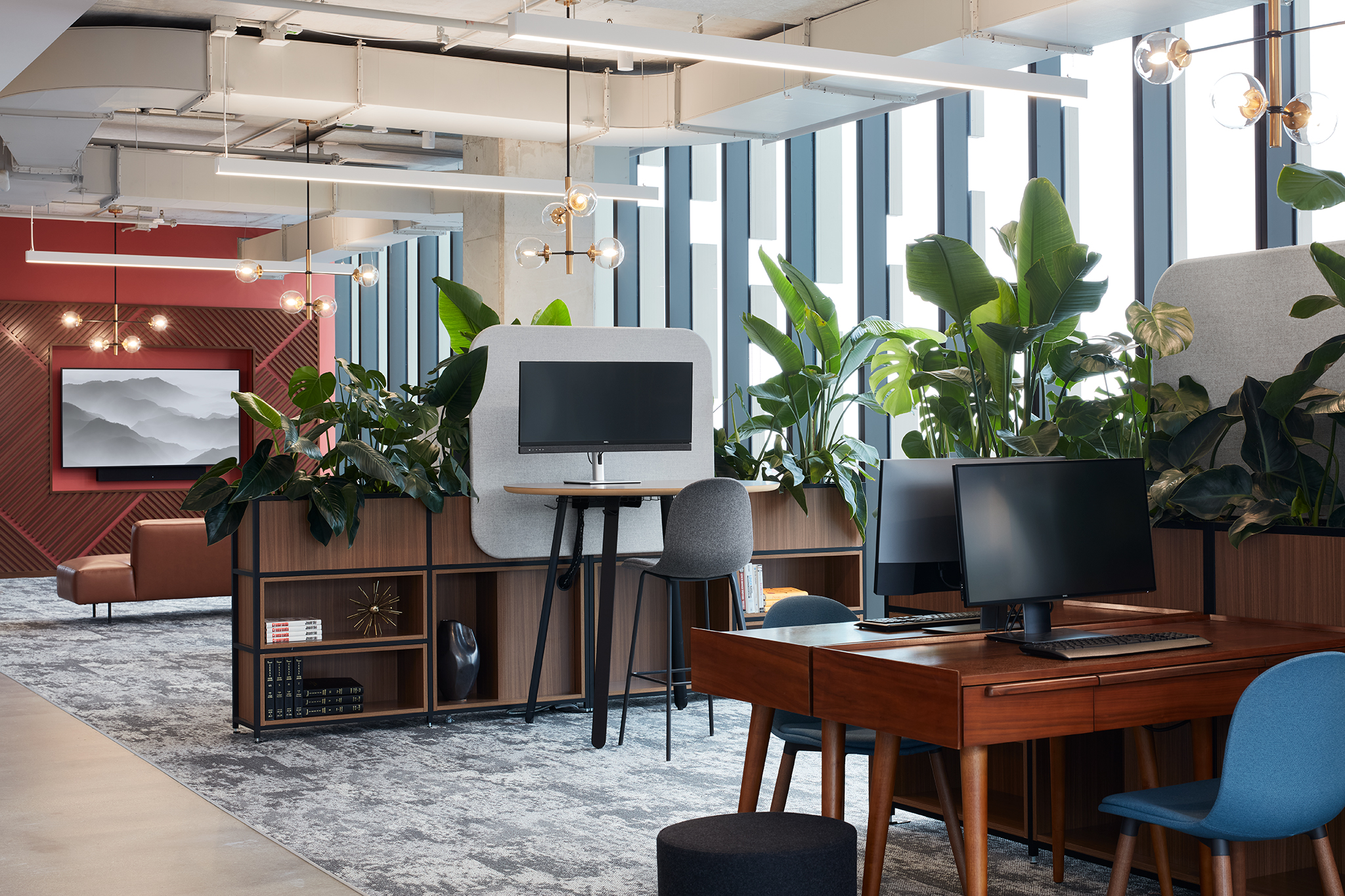
LAW FIRM
Chicago, IL

HAVAS
Chicago, IL
Reach out to us today
We are a family owned Commercial Flooring contractor trusted by contractors, architects and designers for over 80 years.
- Send us an RFP
- Get a quote
- Schedule a Project Walkthrough
We work directly with businesses or through general contractors, architects, and designers.
"*" indicates required fields
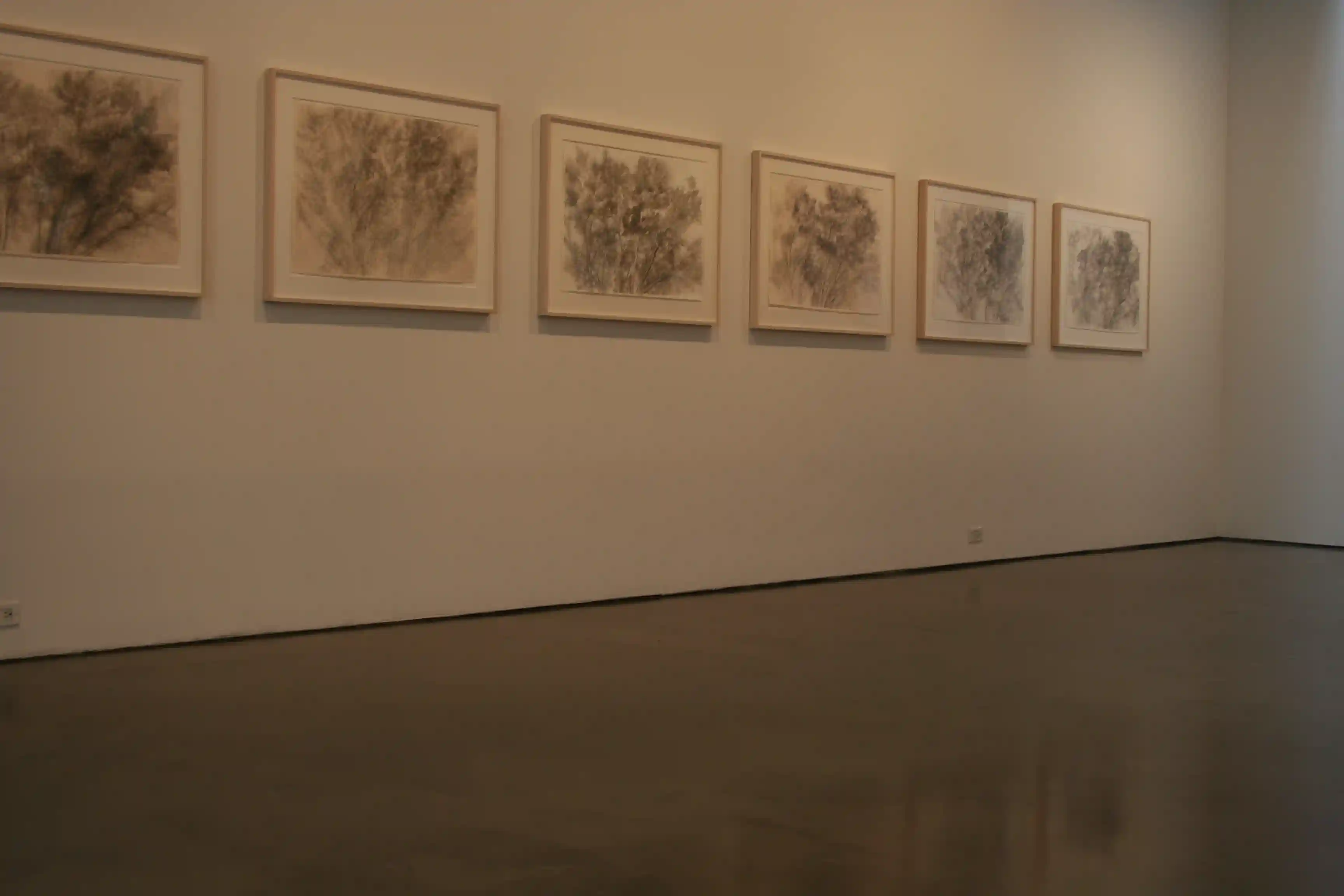
Art Museums and Galleries
Floors That Let the Art Do the Talking
Understated, durable surfaces that complement collection presentation, support precise climate environments, and hold up through years of public access without demanding visual attention.
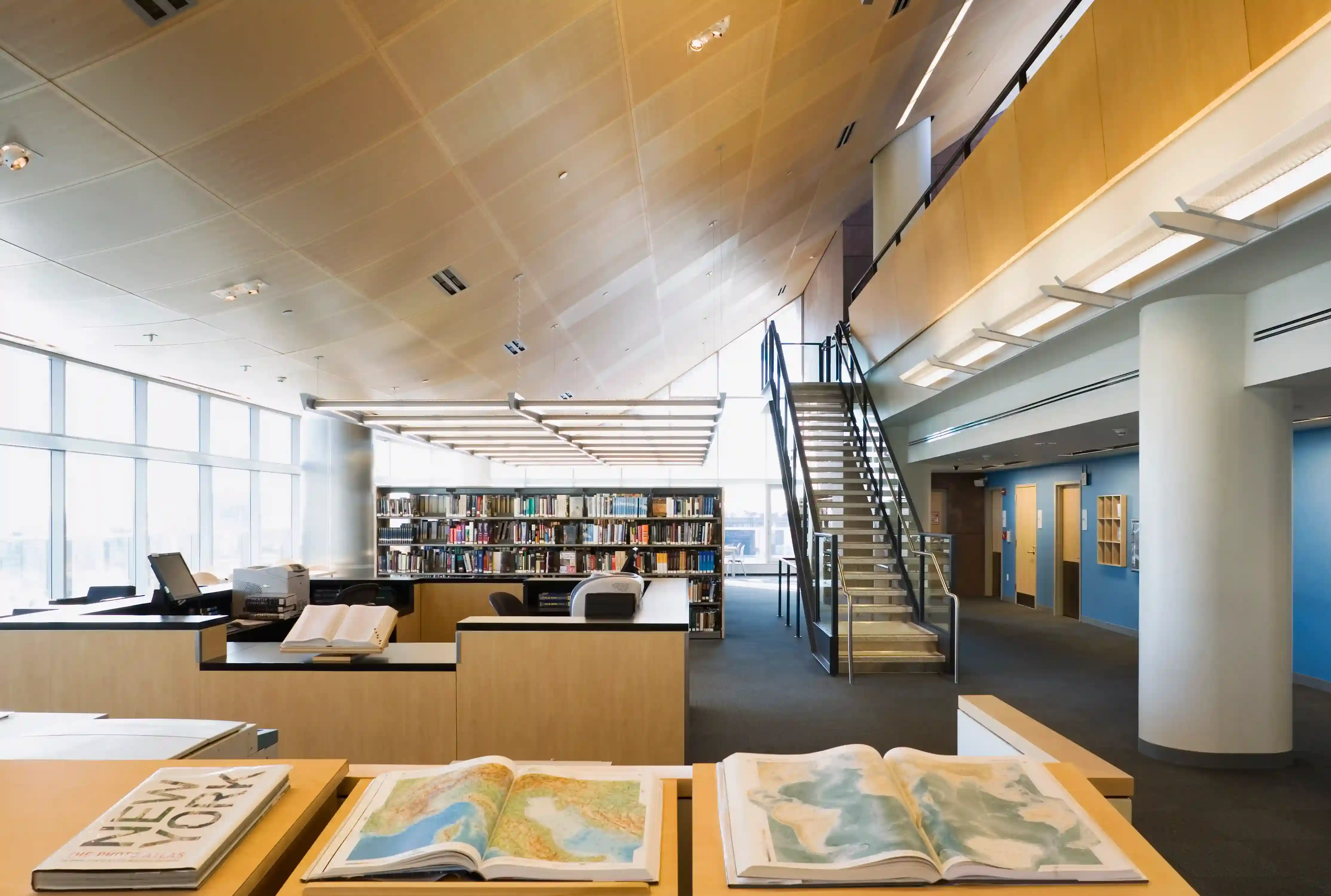
Public and Research Libraries
Quiet, Durable Floors for Focused Environments
Sound-absorbing flooring systems for reading rooms, open stacks, and study areas that reduce foot traffic noise and support the concentrated, low-distraction environments libraries are built around.
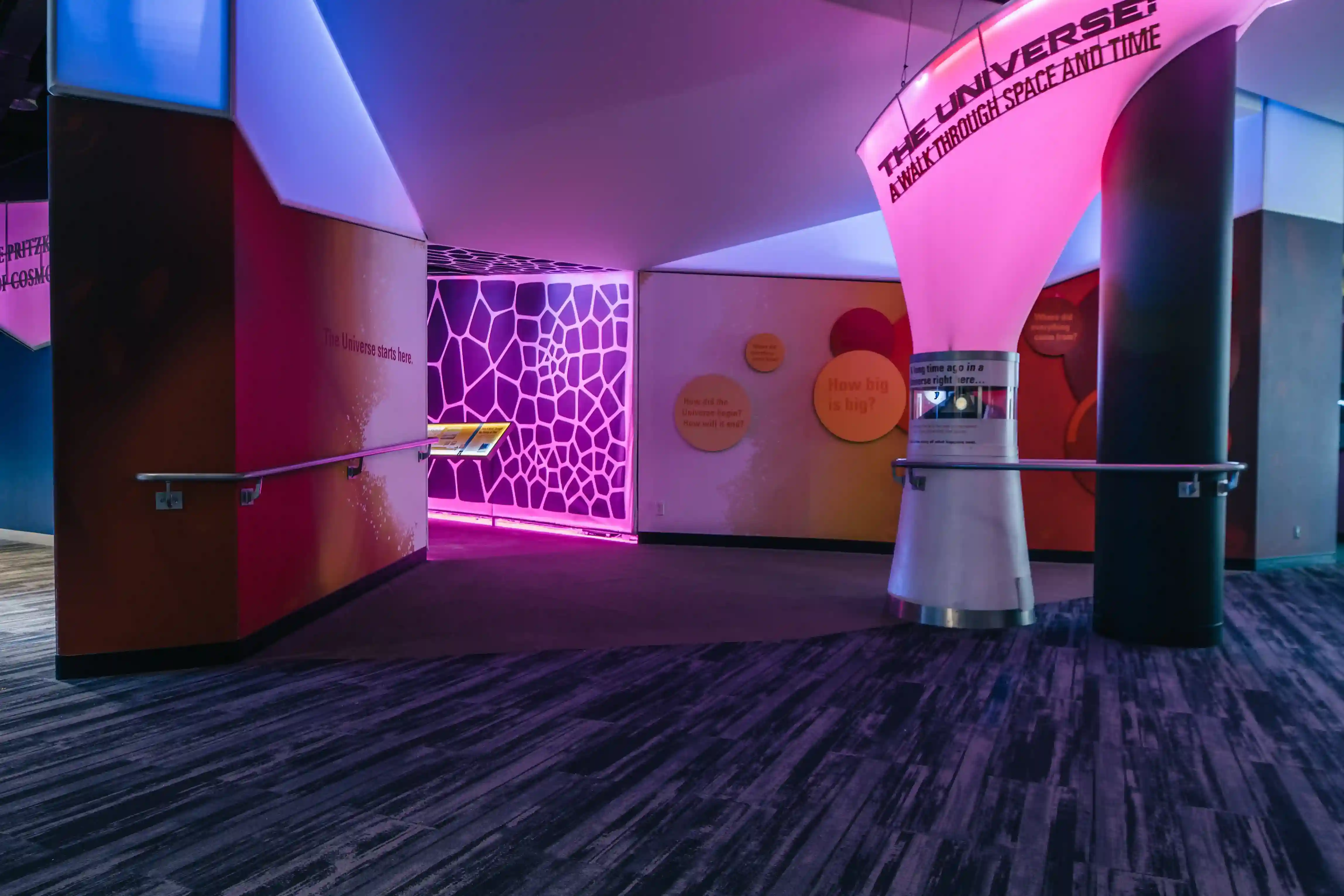
History and Science Museums
High-Traffic Floors Built for Permanent and Traveling Exhibitions
Resilient, easy-to-maintain surfaces that handle school groups, weekend visitors, and the heavy rolling loads that come with frequent exhibition changeovers and display case repositioning.
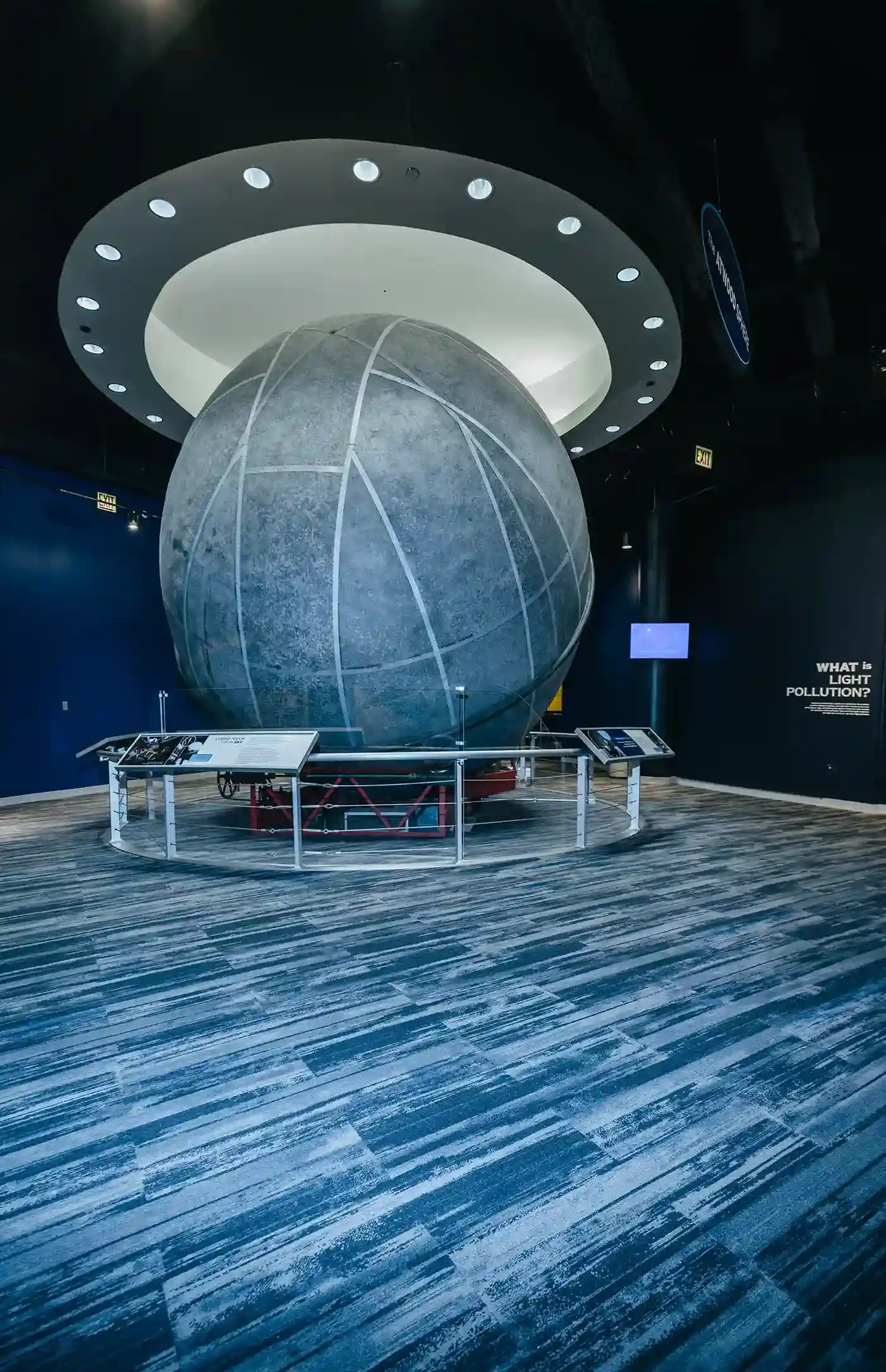
Cultural Centers and Performing Arts Facilities
Flexible Floors for Multi-Use Institutional Spaces
Flooring systems that transition cleanly between lobby, performance, and gallery functions while meeting the acoustic performance, safety, and aesthetic standards these facilities require.
Reach out to us today
We are a family owned Commercial Flooring contractor trusted by contractors, architects and designers for over 80 years.
- Send us an RFP
- Get a quote
- Schedule a Project Walkthrough
We work directly with businesses or through general contractors, architects, and designers.
"*" indicates required fields
Frequently asked questions
What Type of Flooring Is Best for Museums and Art Galleries?
The honest answer: it depends on the zone. Commercial flooring for museums isn’t one-size-fits-all. A gallery, lobby, conservation corridor, and back-of-house storage room all have different demands, and we spec them accordingly.
For high-traffic public areas like lobbies and main circulation paths, we typically work with luxury vinyl tile (LVT), rubber sheet, or polished concrete. These materials handle heavy foot traffic, clean up easily, and hold up for decades with proper maintenance.
Exhibition galleries are a different conversation. When aesthetics and acoustic comfort take priority, we look at hardwood, engineered hardwood, cork, and carpet tile. These materials complement displayed works rather than compete with them. Back-of-house areas, loading docks, and freight corridors have their own spec entirely, focused on durability and slip resistance.
We evaluate every zone based on foot traffic volume, lighting conditions, maintenance protocols, and your sustainability goals, and then we build a recommendation from there.
How Do I Choose Commercial Flooring That Complements Artwork and Exhibits?
The guiding principle we work from: gallery flooring should serve as a neutral foundation. It doesn’t compete with the art, but supports it.
In exhibition rooms, matte and low-sheen finishes are almost always the right call. High-gloss surfaces create glare and reflections that pull attention away from displayed works. For finish material, warm-neutral wood and wood-look products or monolithic surfaces like polished concrete are among the most common choices in modern art institutions because they read as neutral without feeling sterile.
Color, texture, and pattern all interact differently depending on your lighting design, ceiling height, and wall color. We offer design visualization tools and physical sample programs so your team can see how materials actually read in your space, under your light conditions, against your existing architecture, before anything gets specified or ordered. For projects working with an architect or interior designer, we integrate directly into that specification process.
Can Flooring Be Replaced in a Museum or Library While It Stays Open?
Yes, and this is something we do regularly. Occupied installation work is core to our institutional relationships, because most museums, galleries, and libraries simply can’t go dark for two weeks during a renovation.
We work in phases, sectioning off active areas and completing work during off-hours, overnight, or on weekends to minimize visitor disruption. Before a single piece of flooring is pulled, we sit down with your facilities team and building engineers to map out sequencing around your event calendar and operational constraints.
On the product side, adhesiveless and loose-lay flooring systems are especially useful in occupied settings. They eliminate cure time and reduce off-gassing, which matters in environments where air quality and visitor safety are non-negotiable. We’ve executed phased projects in active public buildings. The planning is more involved, but it’s entirely manageable when everyone is aligned on the schedule from day one.
What Flooring Materials Help Reduce Noise in Libraries and Quiet Gallery Spaces?
Acoustic performance in flooring is measured by two ratings: IIC (Impact Insulation Class) and STC (Sound Transmission Class). Higher numbers mean better noise control. IIC targets footfall and impact noise; STC addresses airborne sound transmission between spaces.
For quiet zones, such as library reading rooms, small galleries with audio exhibits, or archival spaces, the strongest performers for footfall noise reduction are carpet tile, rubber flooring, cork, and cushion-backed LVT. Cork, in particular, is an underused option in cultural institutions: it’s naturally sound-absorbing, sustainable, and visually warm.
If you’re committed to a hard-surface finish material but need to hit a specific acoustic target, acoustic underlayments can substantially raise IIC ratings without changing the finish product at all. We spec the full flooring assembly, including substrate, underlayment, adhesive, and surface, not just the top layer. It is important that we do this to make sure the acoustic environment your space requires is actually achievable.
What Commercial Flooring Options Qualify for LEED Credits?
Many of the products we carry support both LEED v4 and LEED v5 credits. This includes materials with Environmental Product Declarations (EPDs), recycled content, and products installed with low-VOC adhesives and finishes, all of which factor into materials and resources credit categories.
PVC-free and bio-based options, including linoleum, cork, and natural rubber, are worth a close look for projects with strong sustainability requirements. These materials can contribute to multiple credit categories and are increasingly specified at cultural institutions with LEED or institutional sustainability commitments.
We can support your project team with the documentation side: product data sheets, EPDs, and manufacturer data needed for LEED submittal. Our team includes LEED AP-credentialed professionals who understand how flooring specification connects to broader green building certification goals, so we can help you close the documentation loop.
How Long Does Commercial Flooring Last in a High-Traffic Public Building?
Lifespan varies meaningfully by product category. Rubber sheet and vinyl sheet goods can last 20–30+ years with proper maintenance. Carpet tile in a high-traffic institutional setting runs roughly 10–15 years, depending on volume and fiber system. Hardwood, whether site-finished or engineered, can last decades and be sanded and refinished multiple times, making it one of the longer-horizon investments in the flooring category.
That said, the single biggest variable in long-term performance isn’t the product. It’s floor preparation. Even the best flooring fails early when it’s installed over a poorly prepared substrate. Moisture, flatness, and contamination are all issues that can compromise the installation, regardless of product quality.
We include floor leveling and moisture mitigation as part of our scope when conditions require it. That’s not an add-on. It’s how we make sure the finished floor actually performs the way it was specified to.
How Much Does Commercial Flooring Cost for a Museum or Library Renovation?
Cost for commercial flooring for museums and libraries varies based on material selection, square footage, floor preparation requirements, and installation complexity. There’s a wide range, and we don’t think it serves anyone to throw out numbers without context.
At the entry level, commercial LVT and carpet tile offer strong performance at accessible price points. Engineered hardwood, custom-patterned carpet, epoxy terrazzo, and specialty resilient products move into the mid-to-upper range. Projects with complex floor preparation needs, such as significant leveling, moisture mitigation, or chemically abated floors, carry additional costs that have to be scoped on-site.
Occupied installations with after-hours scheduling or phased timelines add labor cost as well, and it’s worth budgeting for that realistically from the start. We provide detailed project estimates after an initial consultation and site review. For facilities teams working within grant or capital plan budgets, we’re familiar with no-bid approval thresholds and can structure project scopes accordingly.
What Should I Look for When Hiring a Commercial Flooring Contractor for a Public Institution?
Start with project type experience. There’s a real difference between a contractor who’s done generic office carpet replacements and one who’s worked inside occupied museums, historic buildings, or public institutions with sensitive collections. Ask for specific project examples, not just general commercial references.
Ask whether they employ their own skilled mechanics or rely heavily on subcontractors, and how quality control is managed on-site. For institutional projects, consistency of crew matters. The people who show up on day one should be the same people finishing the job.
Confirm they can support sustainability documentation, DEI certification requirements, and any prevailing wage or union obligations relevant to your project. These aren’t afterthoughts for cultural institutions. They’re often built into grant requirements and procurement policies.
Finally, understand the difference between a dealer and a labor-only subcontractor. A commercial flooring dealer like Consolidated Flooring manages product specification, procurement, floor preparation, skilled installation, and post-installation maintenance as a single accountable scope. That integration matters on complex institutional projects.
Can Commercial Flooring Include Custom Patterns, Wayfinding, or Branded Designs?
Yes, and this is an area where we see more and more cultural institutions leaning in. Custom-designed flooring has become a real part of the visitor experience at museums, libraries, and galleries.
Printed carpet, inlaid LVT, and custom-dyed broadloom can all incorporate logos, wayfinding graphics, and thematic patterns without additional signage or architectural elements. For permanent, high-visibility installations, epoxy terrazzo and decorative concrete allow for embedded designs with essentially unlimited color options.
We work with architects and designers during the specification phase to develop and price custom designs that align with your institutional branding, exhibit themes, and architectural context. If you’re working from a design concept, we can help translate that into a specified, priceable scope. If you’re earlier in the process, we can bring design visualization tools to the table to help explore options before anything is committed.
What's the Difference Between a Commercial Flooring Dealer and a Flooring Installer?
A commercial flooring dealer manages the full project: product specification, procurement, floor preparation, skilled installation by experienced tradespeople, and post-installation maintenance, all under one accountable roof.
A labor-only installer provides skilled hands to execute a scope that someone else defined. That’s a legitimate service, but it’s a different thing. When you hire a labor-only crew, you’re responsible for having already made the right product decisions, and if something was specified incorrectly, that’s not their problem to solve.
Working with a dealer gives institutions access to a broader product portfolio, direct manufacturer relationships, and genuinely independent advice, not just execution of a pre-determined scope. For a facilities director or architect working on a complex cultural institution project, that distinction matters. We’re in the room during specification, not just during installation. Fewer surprises, clearer accountability, and a single point of contact when something needs to be resolved.