K-12 Education Flooring Built for Schools That Never Stop Moving
Trusted by






Why K-12 Schools Trust Consolidated Flooring for Every Project
Consolidated Flooring has spent over 80 years delivering commercial flooring solutions to some of the most demanding environments in the country, including schools, universities, and public institutions across the Northeast and Midwest.
Our team understands the unique pressures K-12 facilities face: tight budgets, occupied buildings, strict safety codes, and floors that need to hold up through decades of daily use.
Our process, relationships with top manufacturers, and proven project management give you peace of mind and outstanding results every time.

Providing expert consultation to identify the right flooring for classrooms, hallways, gymnasiums, cafeterias, and administrative spaces.

Installing sound-dampening and impact-absorbing materials to support focused learning environments and reduce hallway noise.

Scheduling installation during school breaks, evenings, or weekends to keep classrooms open and learning uninterrupted.

Offering moisture-resistant and antimicrobial flooring options for restrooms, locker rooms, kitchens, and wet lab spaces.

Conducting on-site assessments to evaluate subfloor conditions and meet ADA and code compliance requirements.

Providing maintenance and repair programs designed to extend floor life and protect the school's capital investment.

Completing professional subfloor preparation and leveling to support long-term floor performance in high-traffic school environments.

Coordinating procurement directly with trusted manufacturers to secure competitive pricing for school district budgets.

Supplying slip-resistant, low-VOC flooring options that meet health and safety standards for occupied school buildings.

Assisting with bid documentation, code compliance reporting, and safety certifications required for public school contracts.
K-12 Education Flooring Types for Every School Space
Luxury Vinyl Tile
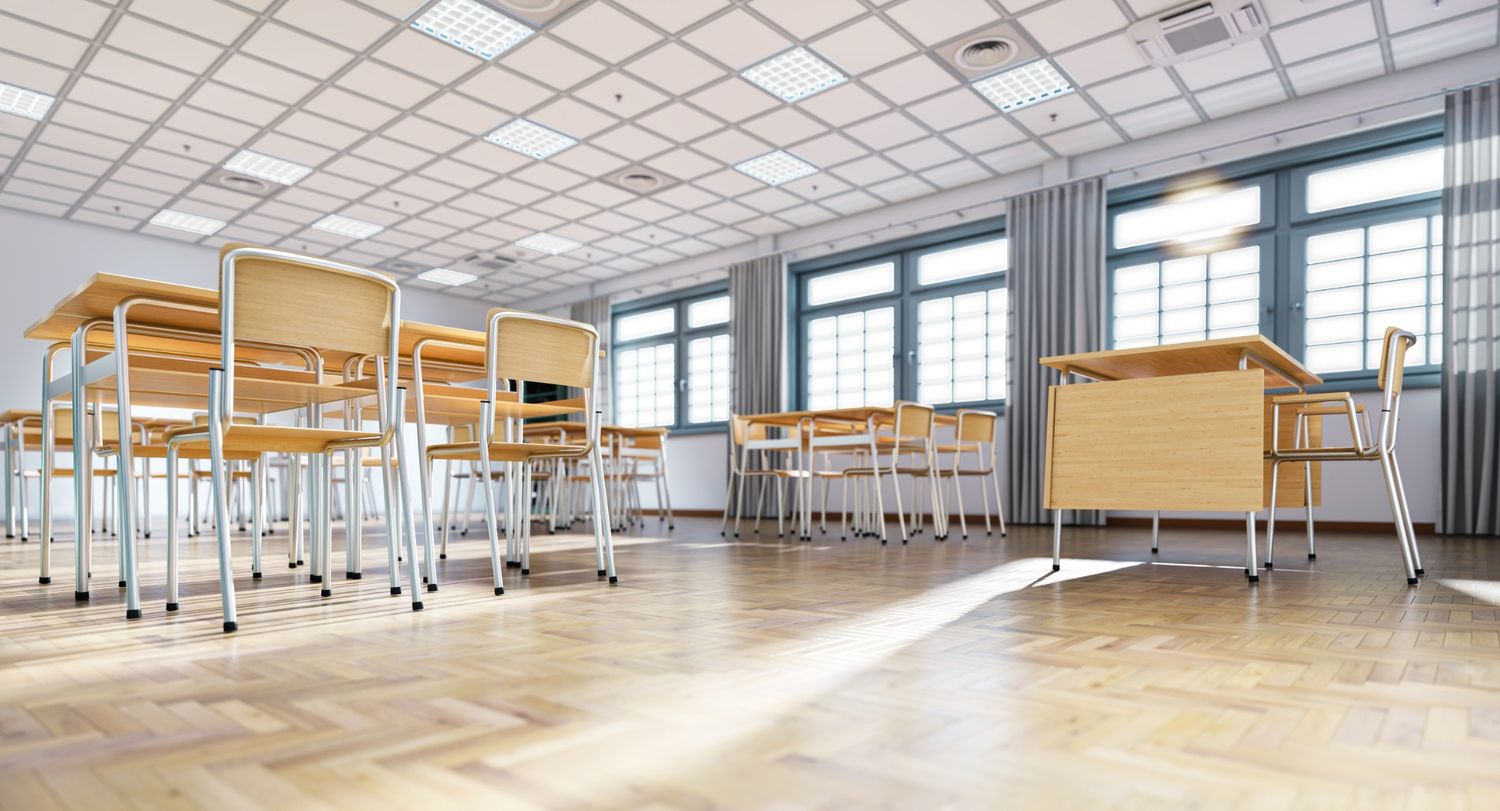
Durable, easy to clean, and available in a wide range of styles, LVT handles heavy foot traffic in classrooms and corridors while resisting scuffs, spills, and everyday wear.
Rubber Flooring
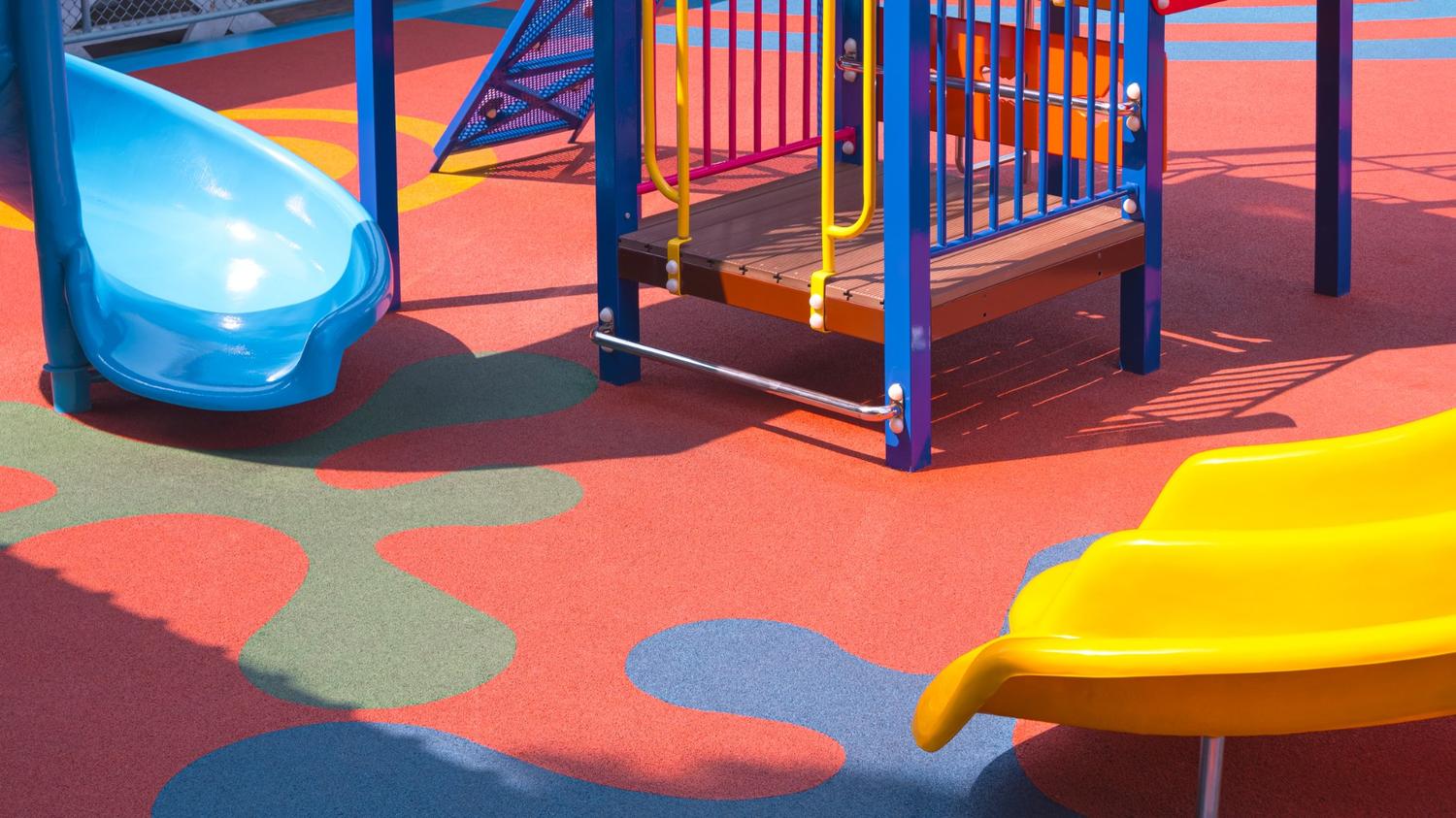
Slip-resistant and shock-absorbing, rubber flooring is well-suited for gymnasiums, weight rooms, and multipurpose spaces where safety and durability are both priorities.
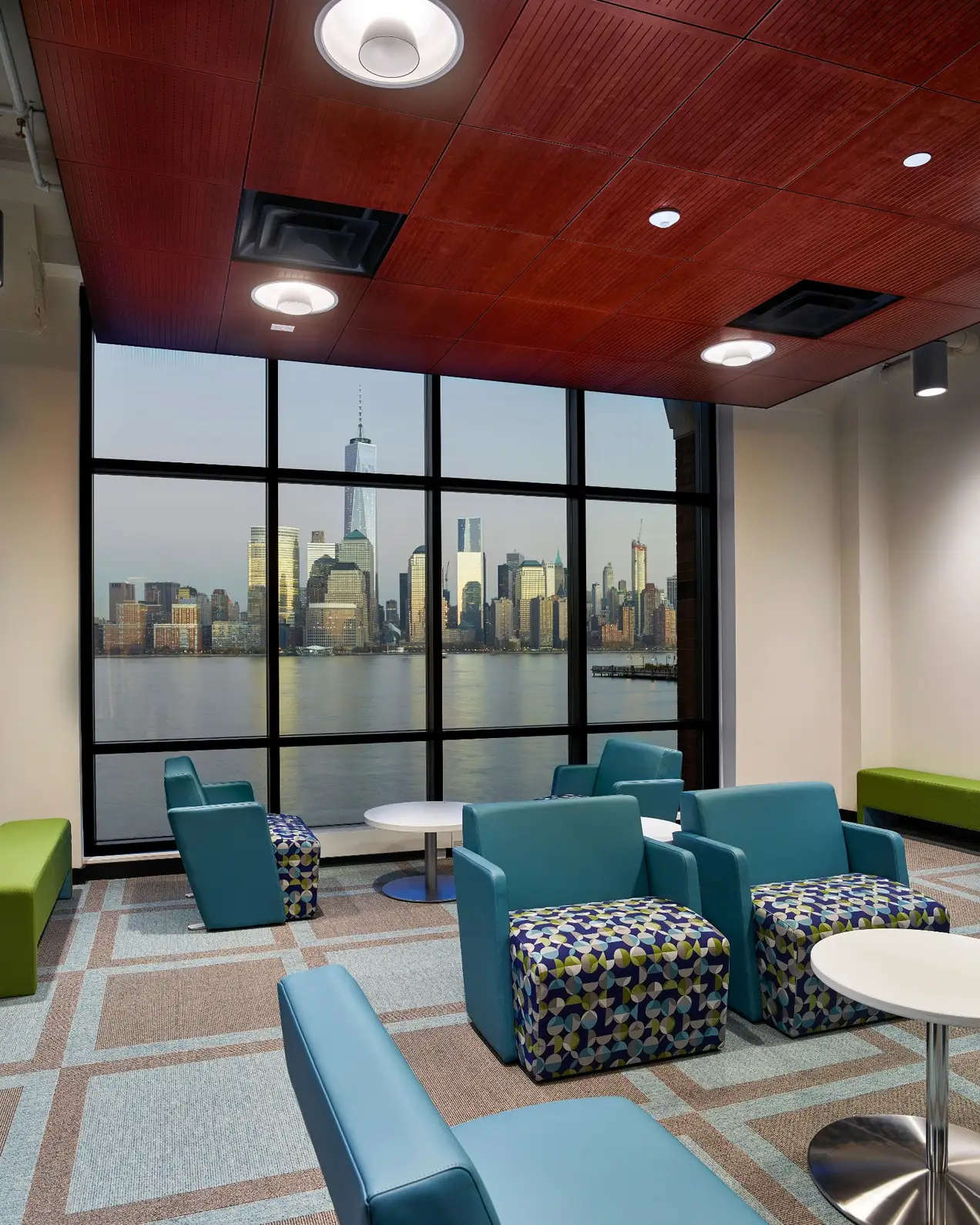
Carpet Tile
Improves acoustics and provides a comfortable surface for early childhood classrooms and library spaces, with modular sections that allow for easy spot replacement.
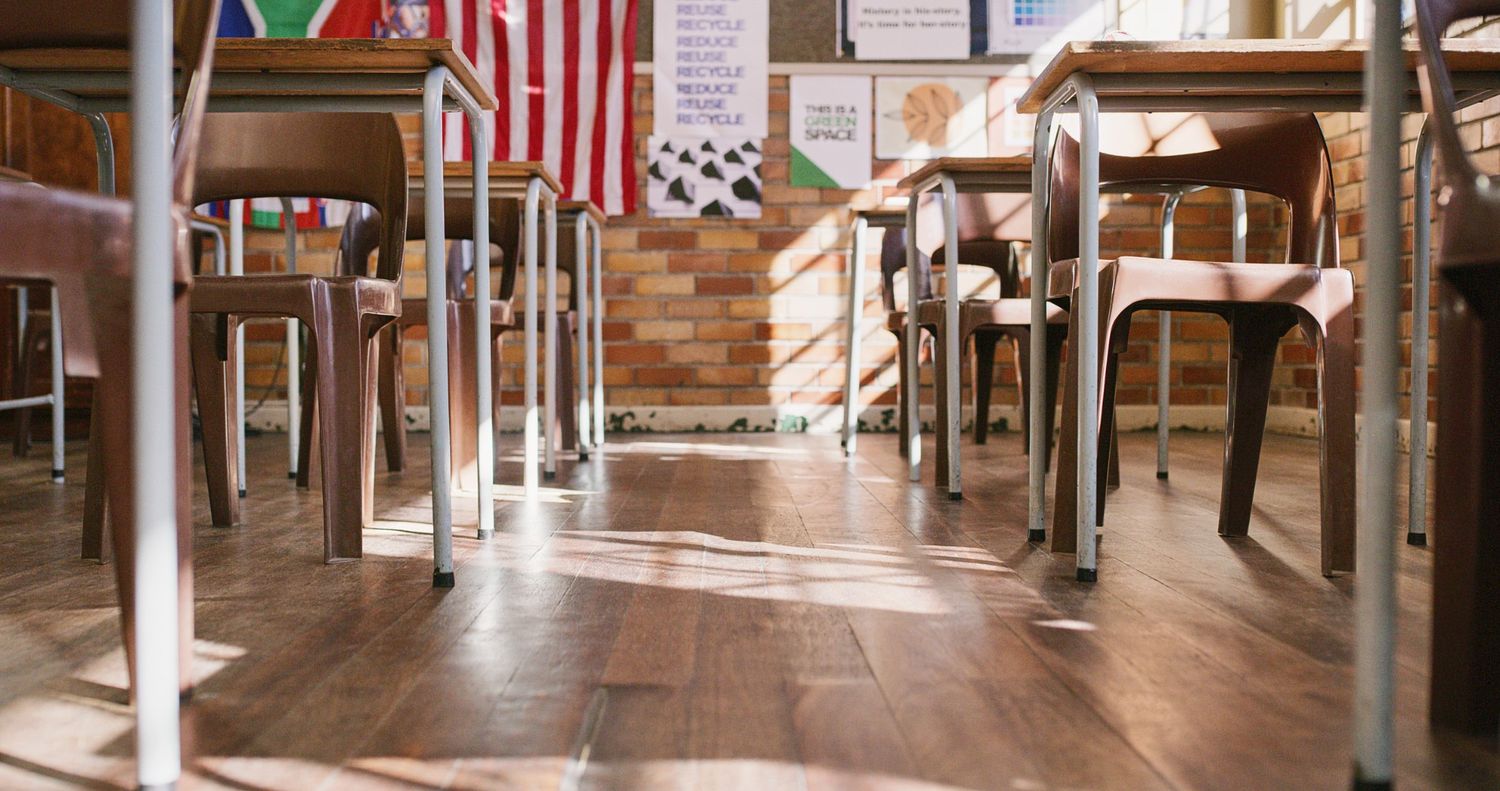
Sheet Vinyl
A cost-effective, seamless option for cafeterias and high-traffic hallways that requires minimal maintenance and holds up well through daily cleaning protocols.
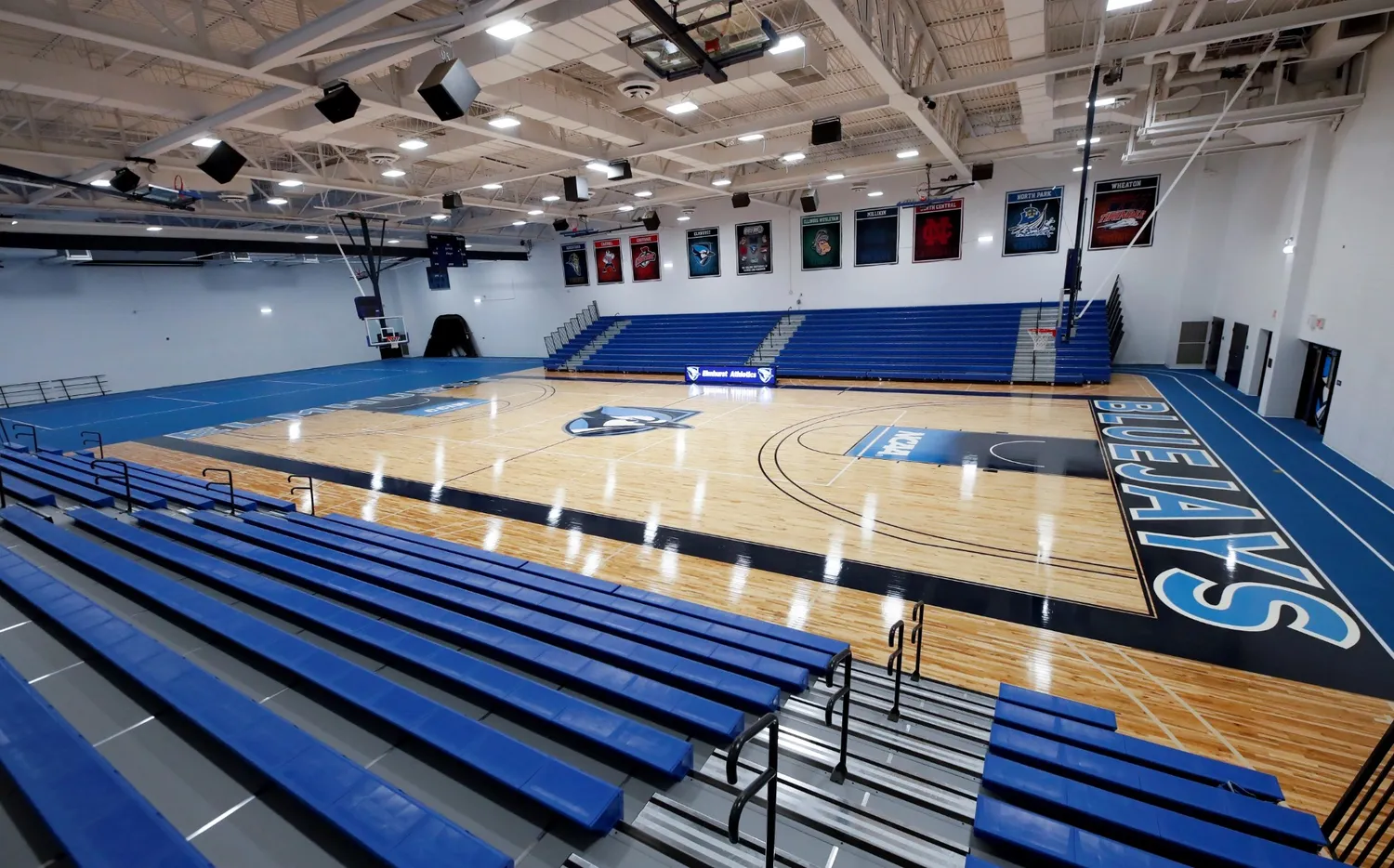
Wood Athletic Flooring
Maple and engineered wood systems deliver performance and tradition for school gymnasiums hosting PE classes, assemblies, and interscholastic competition.
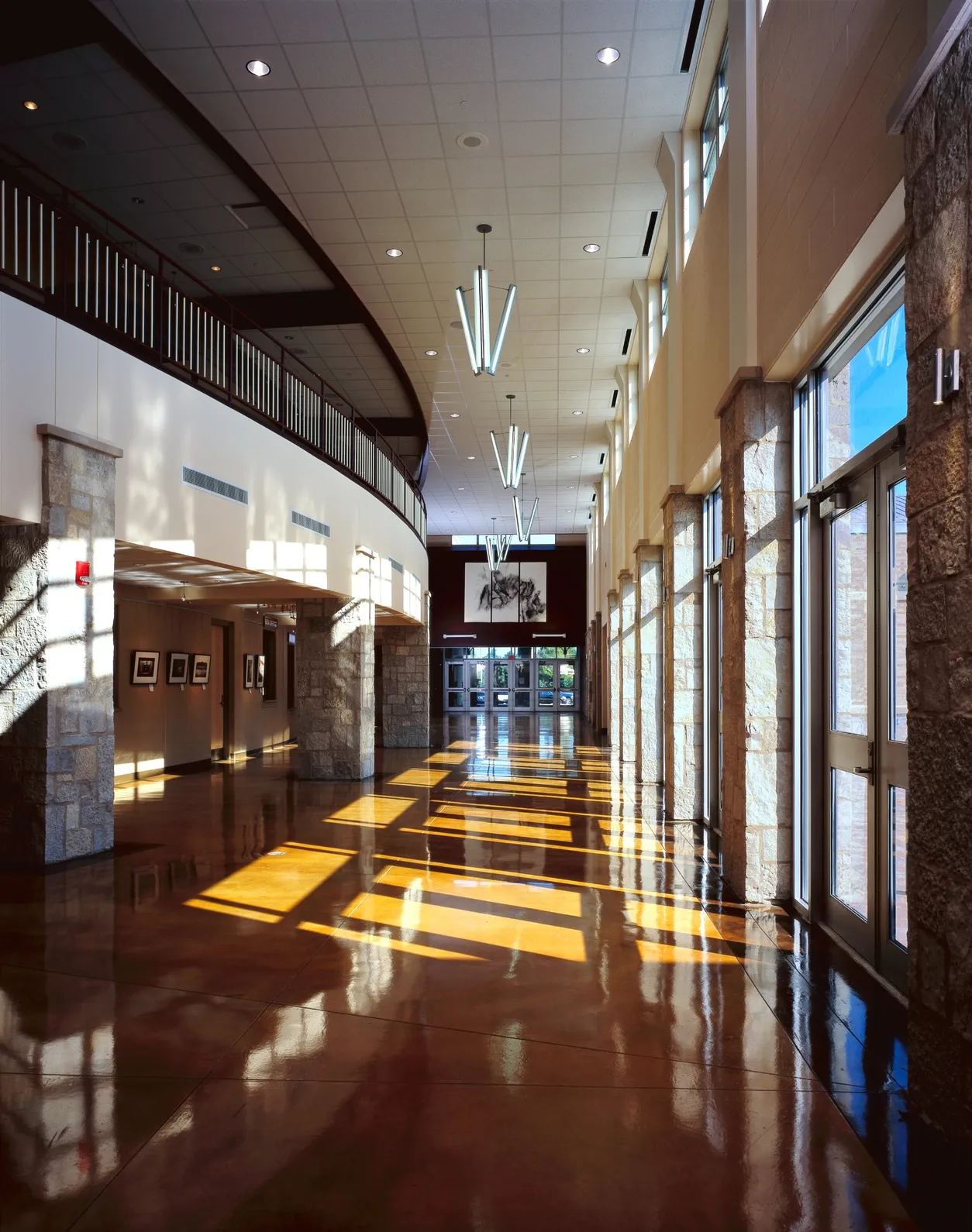
Epoxy and Resinous Flooring
Chemical-resistant and seamless, epoxy floors are the right choice for science labs, vocational shops, and maintenance areas that face spills and heavy equipment.
Our Work
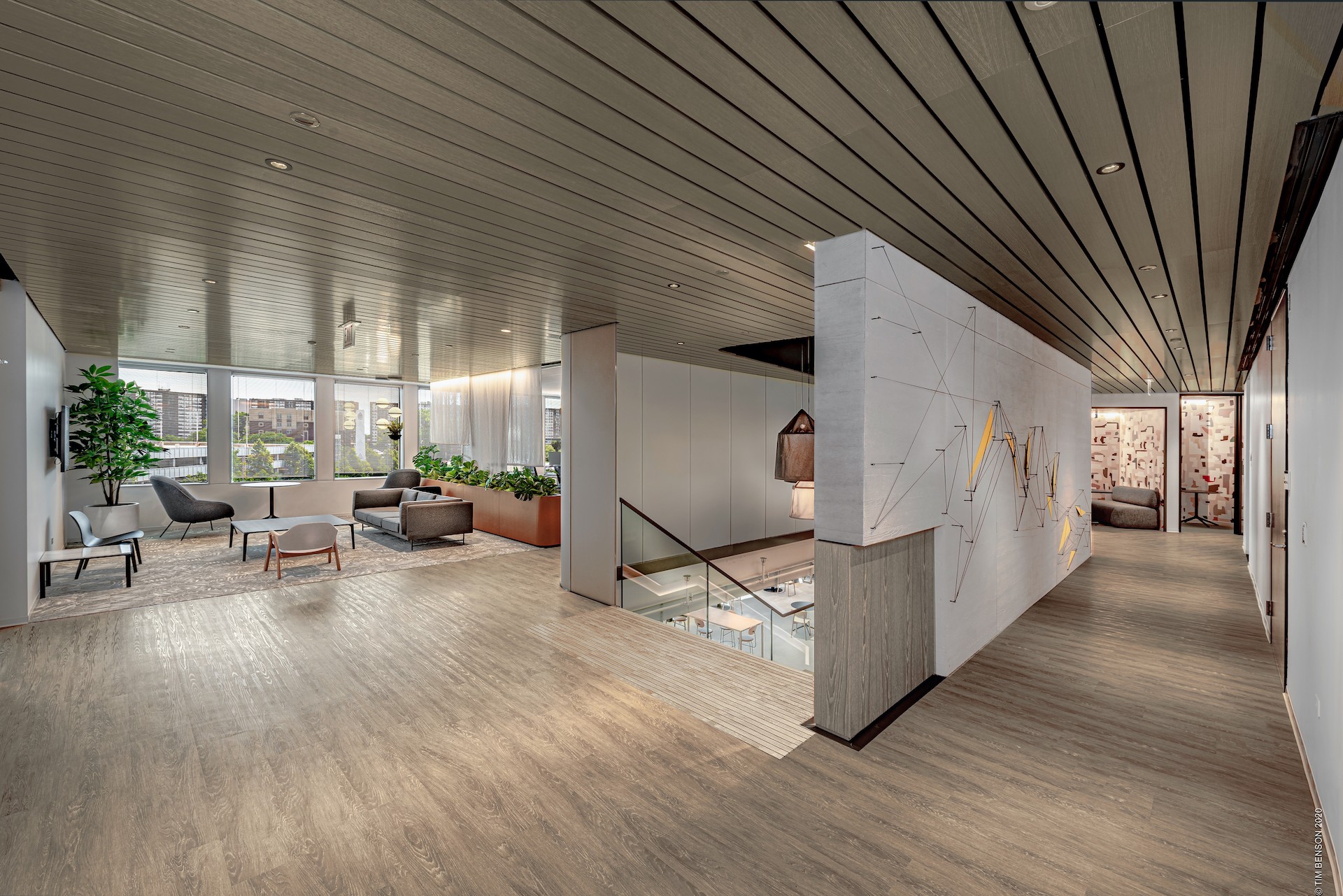
CONSTRUCTION MANUFACTURER
Chicago IL
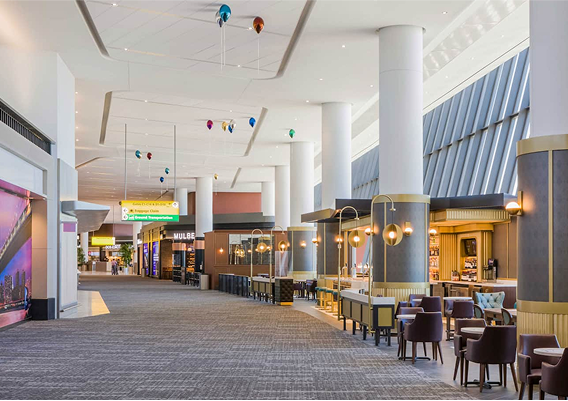
LAGUARDIA AIRPORT
Queens, NY
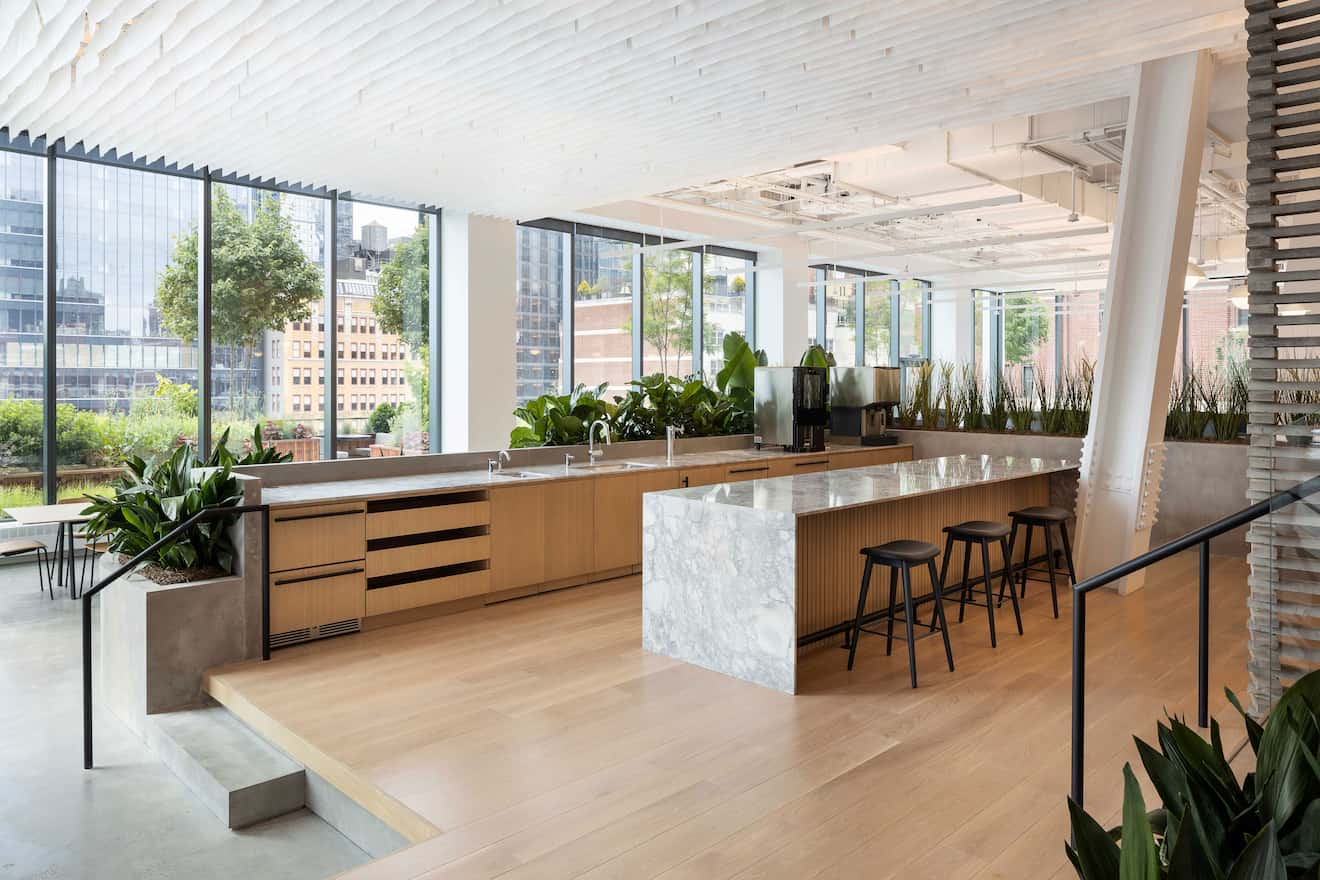
PELOTON
New York, NY
MODERN LOGISTICS
Chicago, IL
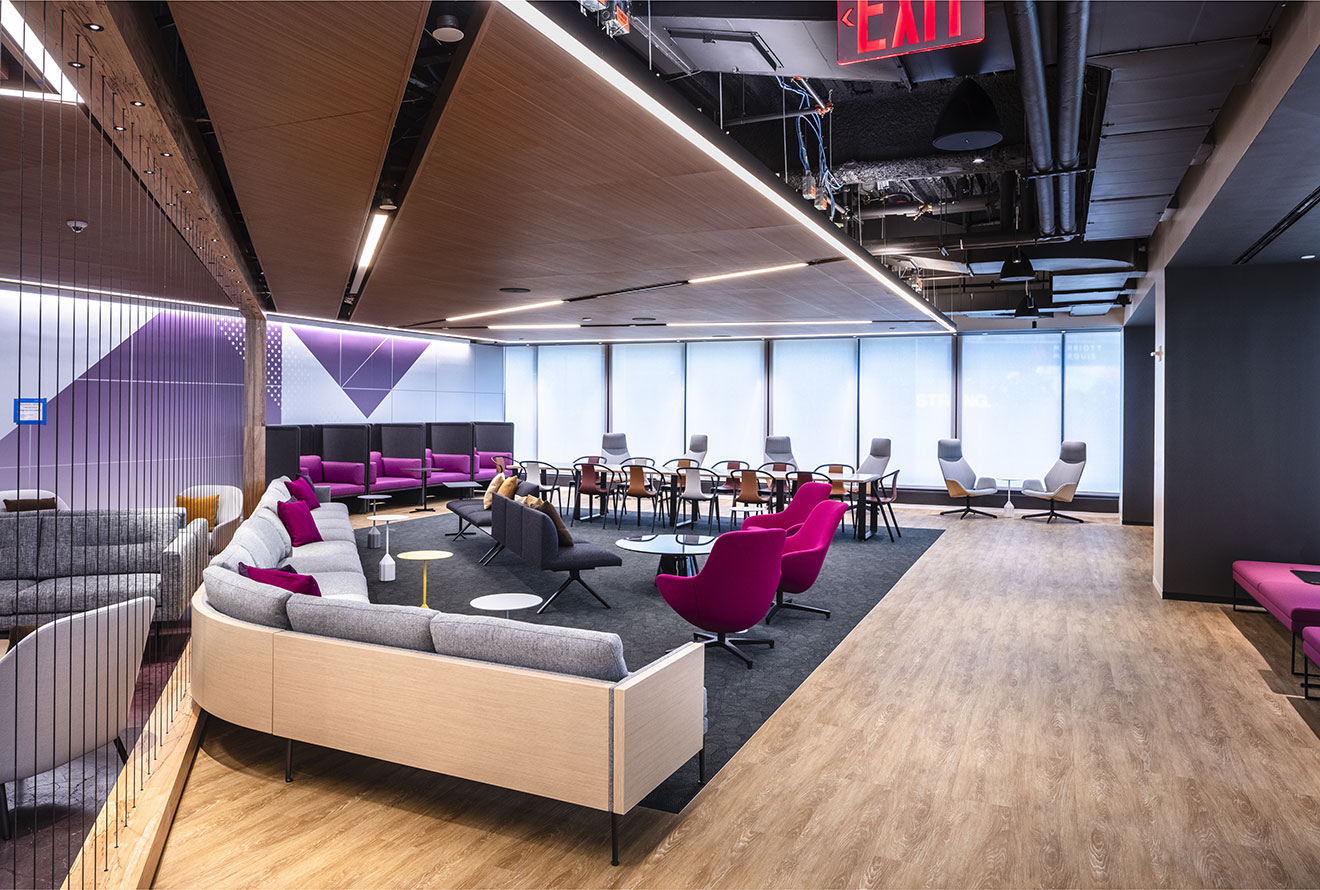
STAGE 8
New York, NY
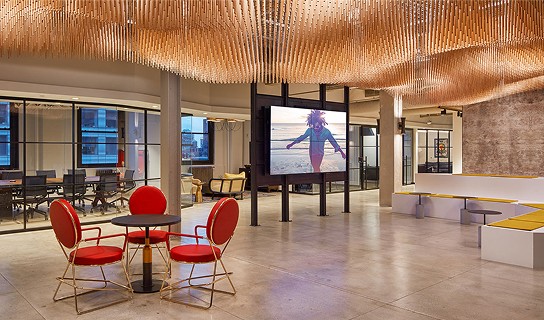
BMG
New York, NY
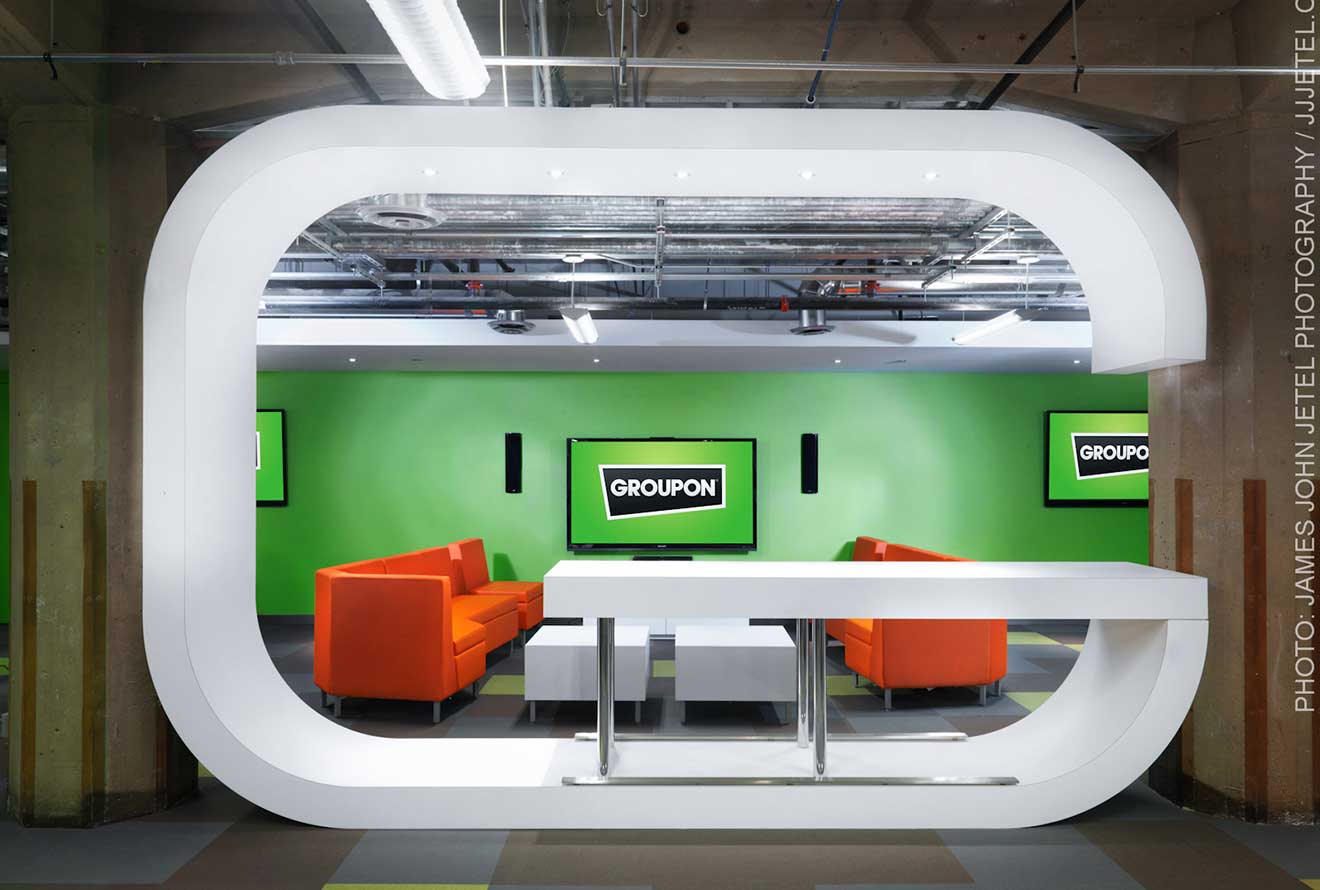
GROUPON
Chicago, IL
NCSA
Chicago, IL
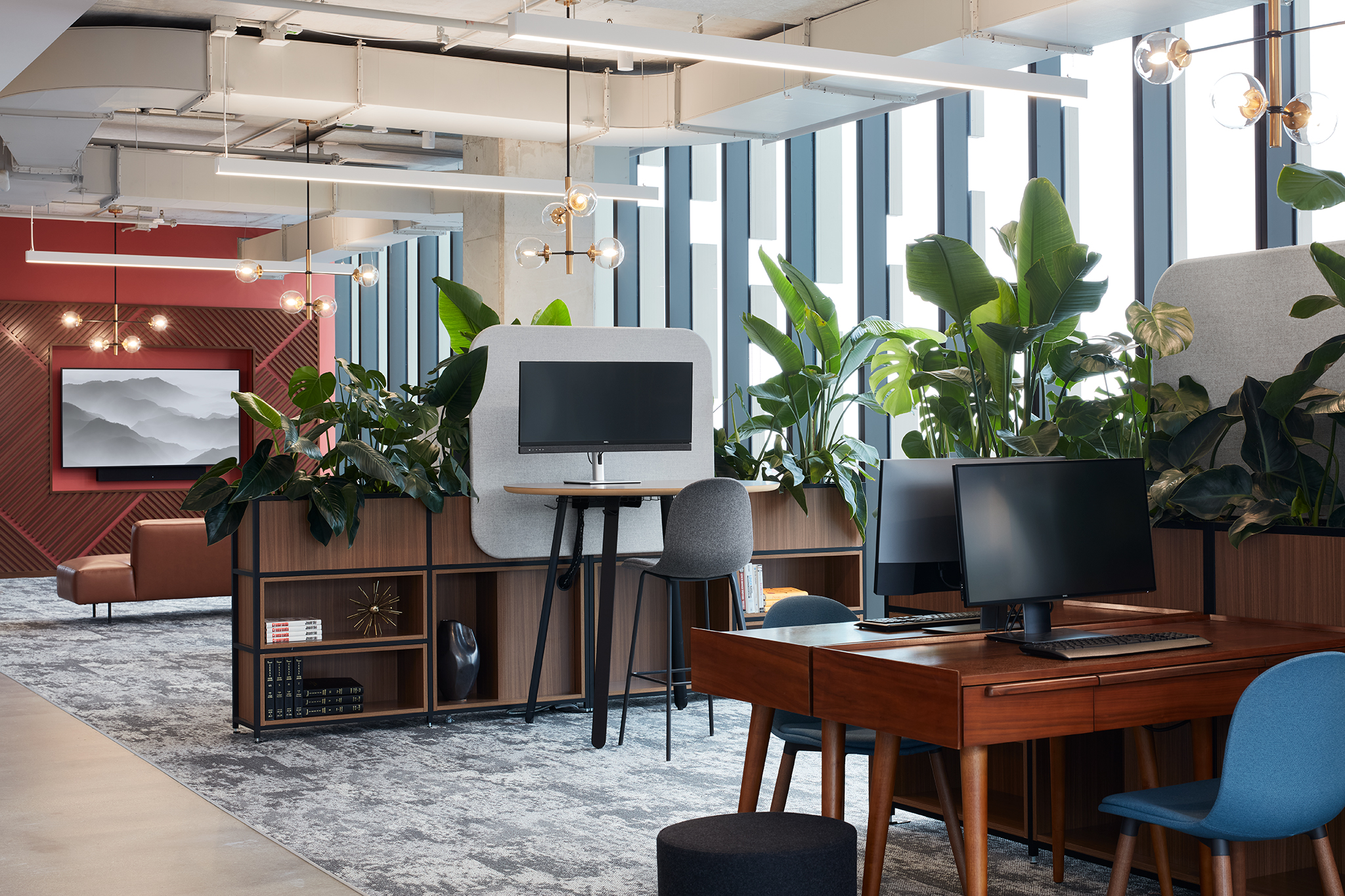
LAW FIRM
Chicago, IL

HAVAS
Chicago, IL
Reach out to us today
We are a family owned Commercial Flooring contractor trusted by contractors, architects and designers for over 80 years.
- Send us an RFP
- Get a quote
- Schedule a Project Walkthrough
We work directly with businesses or through general contractors, architects, and designers.
"*" indicates required fields
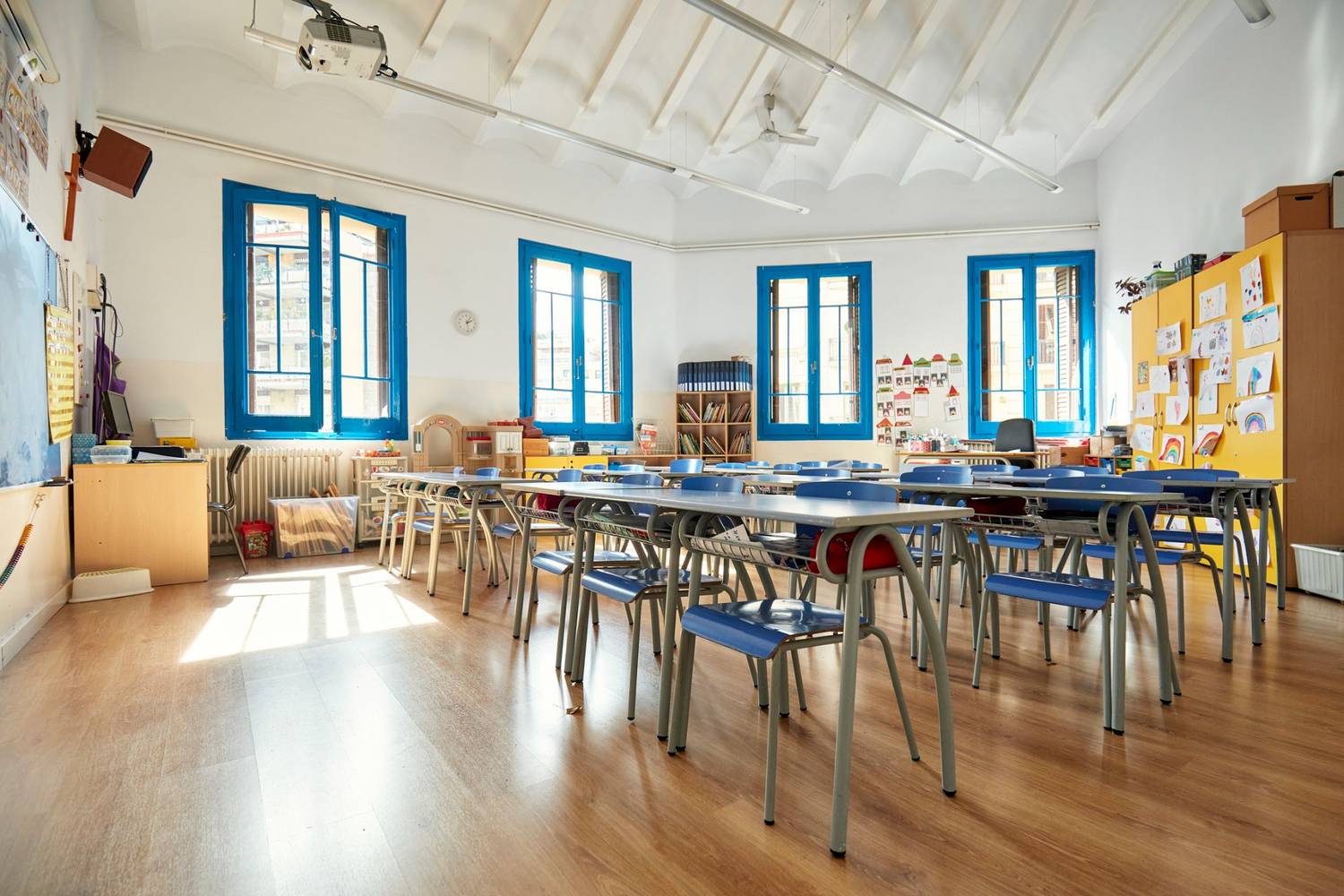
Elementary Schools
Safe, Comfortable Floors for Young Learners
Soft, slip-resistant surfaces designed to support active young learners in classrooms, cafeterias, and play areas while meeting strict health and safety requirements.
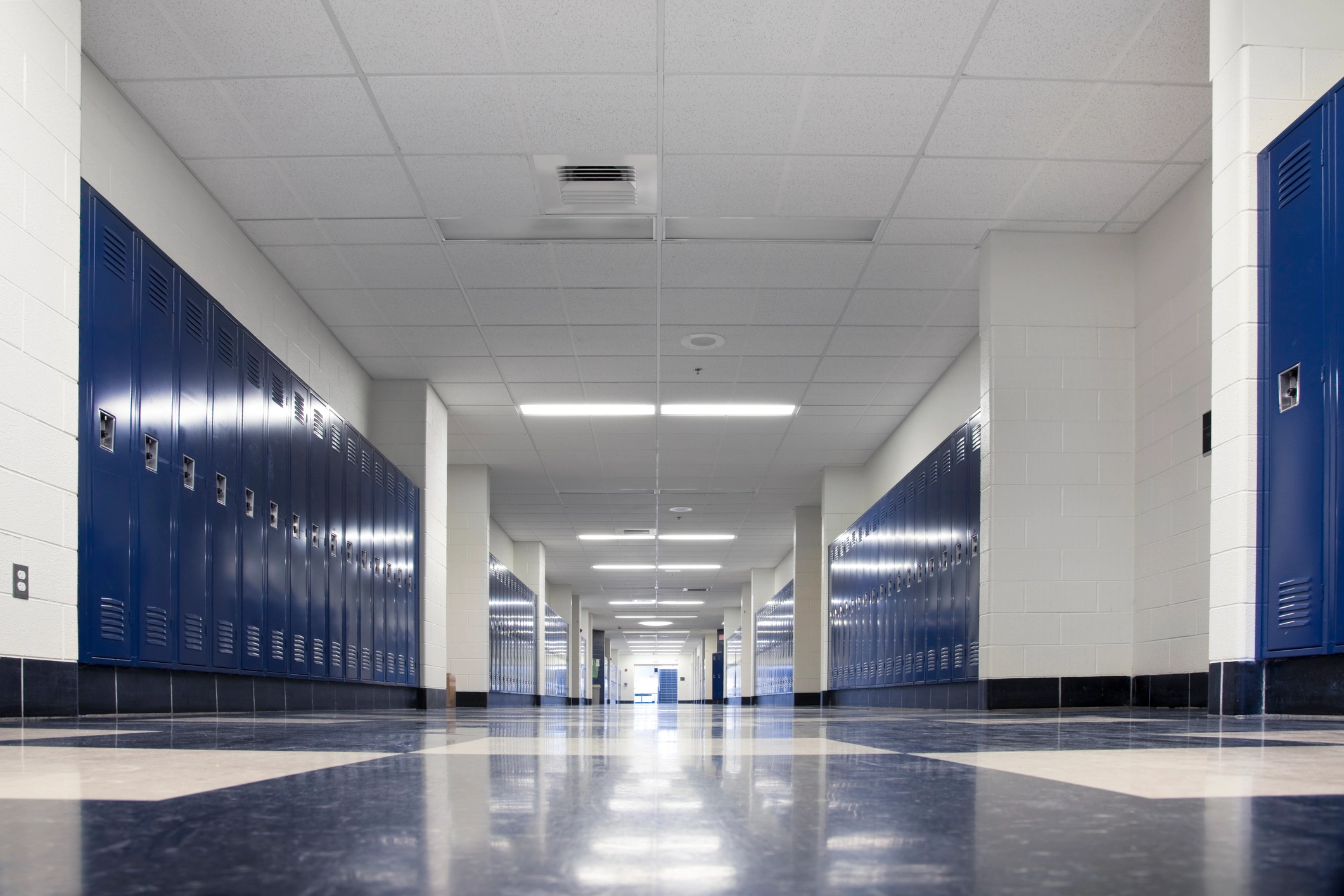
Middle and High Schools
Durable Surfaces Built for High-Traffic School Buildings
Durable, high-traffic flooring for hallways, locker rooms, science labs, and multi-use gymnasiums built to handle thousands of students every day.
School Gymnasiums and Athletic Facilities
Athletic Flooring Installed Around Your School Schedule
Performance-grade athletic flooring for PE programs, interscholastic sports, and multi-purpose events, installed on schedules that work around the school calendar.
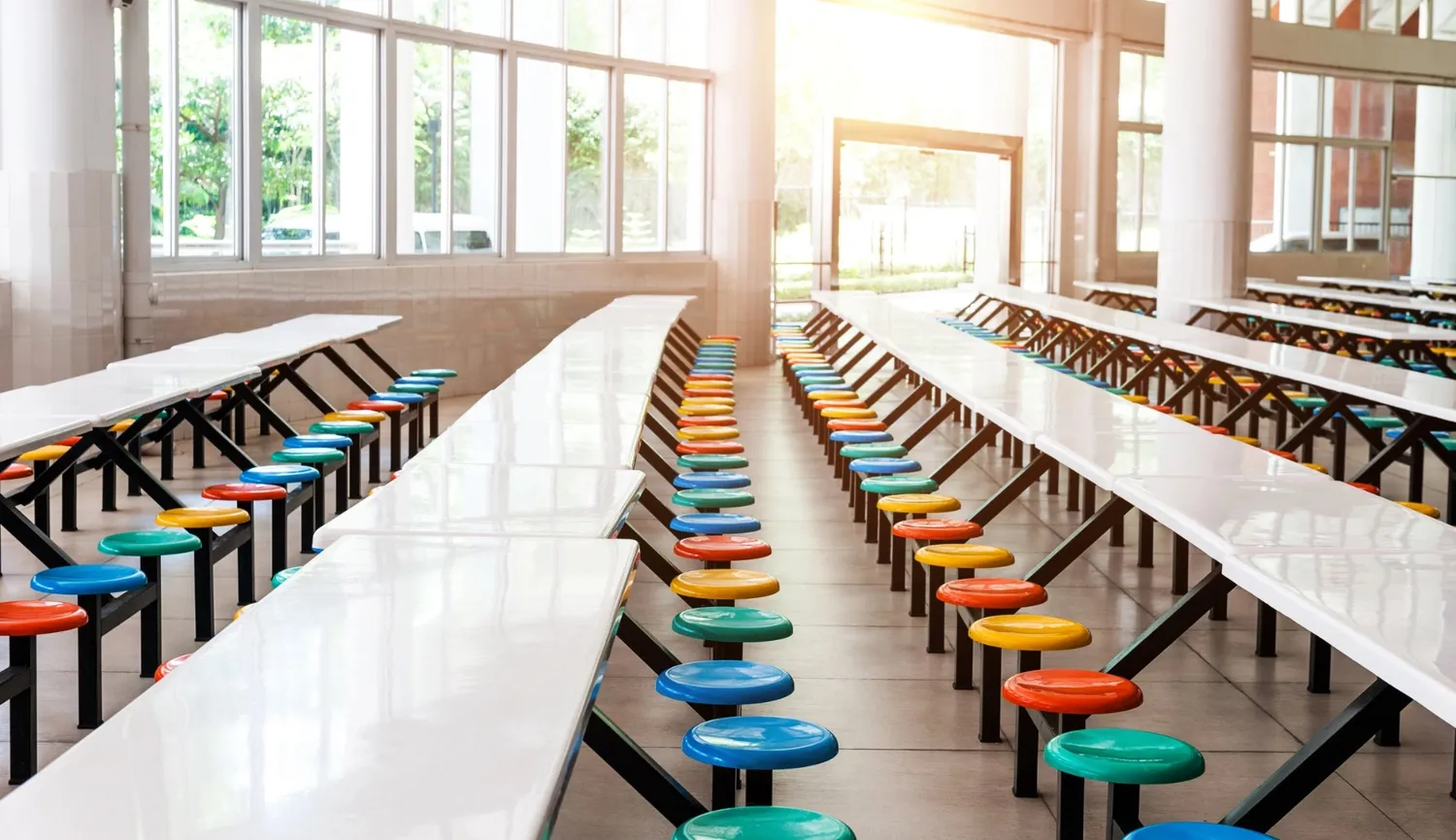
Cafeterias and Common Areas
Easy-Clean Floors That Handle Daily Food Service Demands
Seamless, easy-to-clean surfaces that stand up to food service, rolling equipment, and constant foot traffic without sacrificing appearance or safety.
Reach out to us today
We are a family owned Commercial Flooring contractor trusted by contractors, architects and designers for over 80 years.
- Send us an RFP
- Get a quote
- Schedule a Project Walkthrough
We work directly with businesses or through general contractors, architects, and designers.
"*" indicates required fields
Frequently asked questions
What Types of Flooring Work Best in K-12 School Environments?
K-12 education flooring isn’t a one-size-fits-all situation. Different spaces in a school building have genuinely different performance requirements, and the right product for a classroom isn’t the right product for a gym or cafeteria. Here’s how we think about it by space type;
- Classrooms and Corridors: LVT (luxury vinyl tile) has become the go-to for most classroom and hallway applications. It’s durable, easy to clean, handles heavy foot traffic without complaint, and comes in wood and stone looks that hold up to actual school life.
- Libraries and Collaborative Spaces: Carpet tile is a strong fit where acoustic control matters. Individual tiles can be replaced without pulling the whole floor, which is great for districts managing tight maintenance budgets.
- High-Traffic Common Areas: VCT (vinyl composition tile) carries a lower upfront installed cost and remains a budget-conscious option, though it requires regular strip-and-wax maintenance to stay looking good.
- Gyms, Corridors, and Locker Rooms: Rubber flooring can handle the daily punishment. It is slip-resistant, durable underfoot, and easier on staff standing all day. Resilient sheet goods and homogeneous vinyl are our go-to for cafeterias and wet areas where seamless, easy-to-sanitize surfaces are required.
How Do Schools Purchase Commercial Flooring — Do We Need To Go Out To Bid?
Public school districts have purchasing thresholds that trigger formal competitive bidding, and those thresholds vary by state and district policy. If your project exceeds the threshold, you’ll need to run a full RFP, but there’s a faster path many districts don’t know about.
Cooperative purchasing programs like Sourcewell, OMNIA Partners, and E&I Cooperative Services let schools purchase from pre-vetted, competitively solicited contracts without running their own bid process. The competitive solicitation has already happened. You’re buying off a compliant contract, which saves significant time and administrative work.
Smaller maintenance and repair projects often fall under no-bid thresholds and can be awarded directly, which makes routine corridor replacements, locker room updates, and spot repairs much more manageable to execute.
At Consolidated Flooring, we work with districts across all of these procurement paths and can provide complete documentation for compliance. If you’re unsure which approach fits your project, we’re happy to walk through it with you during the planning phase.
How Long Does School Flooring Installation Take?
Most K-12 education flooring projects are scoped for summer installation, and that window is tighter than it sounds. Between the end of one school year and the start of the next, you’re realistically looking at 8–10 weeks, and that’s assuming subfloor work doesn’t add time.
Subfloor conditions are the biggest timeline variable. If leveling, moisture mitigation, or asbestos abatement is required, that work has to happen before any new flooring goes down, and it needs to be assessed early in the planning process, not discovered during demo week.
Phased installation during the school year is possible in unoccupied wings or spaces, but it adds coordination complexity and typically costs more. It works best for facilities that can’t wait for summer and have areas genuinely offline from daily use.
Our recommendation: start planning in early spring. Product procurement, subfloor assessment, and scheduling all take time. Locking in your project early protects against material lead-time issues and schedule availability problems as summer approaches.
What Should Schools Look for When Choosing a Commercial Flooring Dealer?
K-12 experience matters more than it might seem. School environments have specific demands, such as safety compliance, summer scheduling pressure, multi-space specifications, and public procurement requirements, that not every commercial flooring dealer understands from the start.
Look for full-service capability, including specification support, product selection, floor leveling, skilled installation by experienced mechanics, and post-project maintenance from one source. Managing fewer vendors reduces coordination burden and keeps accountability clear.
It’s also important to ask about procurement fluency. A dealer who understands cooperative purchasing programs, bid documentation, and district purchasing thresholds saves your team time and headaches. Someone who’s never worked with Sourcewell or OMNIA will slow the process down.
Additionally, sustainability expertise is increasingly relevant. Districts with green building goals need a dealer who can navigate LEED documentation, identify low-VOC products, and source options with recycled content. That’s not a box-checking exercise. It requires real product knowledge.
What Does Commercial Flooring Cost for a K-12 School?
There isn’t a single per-square-foot number that applies across all school flooring situations, and any dealer who quotes one without a site visit is guessing. Cost varies based on product type, square footage, subfloor condition, and total project scope.
VCT carries the lowest upfront installed cost. LVT and rubber are higher initially but significantly lower in long-term maintenance costs, as there are no strip-and-wax cycles or annual floor finish programs required.
Lifecycle cost is a more useful metric than installed cost alone. Durable, low-maintenance flooring can save considerably over a 10–15 year ownership period, which matters in capital planning conversations with district leadership and school boards.
Subfloor preparation is the biggest cost variable in older buildings. Leveling, moisture mitigation, and removal of existing flooring can significantly affect the total project budget — and it should be assessed early, before numbers go into a budget request or board presentation.
What Should Schools Do if Old Flooring Contains Asbestos?
Asbestos was commonly used in vinyl floor tile (VAT) and the adhesives beneath them in buildings constructed or renovated before the late 1980s, and in some cases, into the early 1990s. If your school has original flooring from this era, treat it as potentially asbestos-containing until tested.
Environmental testing firms or DIY asbestos test kits can confirm the presence of asbestos. This step is worth doing before any planning conversations get too far along. The results directly affect project scope, timeline, and budget.
Abatement requires licensed professionals and must be factored into the project from the start. It adds time and cost, but it’s non-negotiable from a regulatory standpoint.
Chemically abated floors, which are those with asbestos mastic that has been treated but not physically removed, follow specific installation protocols. Our skilled mechanics are experienced with these situations and account for them during site assessment.
How Does Flooring Affect Acoustics and Student Learning?
Research consistently connects classroom acoustics to learning outcomes. Poor acoustic control affects reading comprehension, attention, and overall cognitive performance, and flooring plays a meaningful role in the equation.
Carpet tile and rubber absorb sound and reduce footfall noise transmission, making them well-suited for classrooms, libraries, and busy corridors where ambient noise accumulates.
Hard surface floors, such as LVT and VCT, reflect rather than absorb sound. That can significantly increase ambient noise levels in open or high-traffic environments. This doesn’t mean hard surfaces are wrong for schools, but acoustic tradeoffs should factor into specification decisions for each space.
IIC (Impact Insulation Class) ratings measure a floor’s ability to reduce impact sound transmission. Higher ratings mean better acoustic performance. Selecting flooring with acoustics in mind is standard practice in modern K-12 design and can support LEED indoor environmental quality credits.
Are There Low-VOC or Sustainable Flooring Options for Schools?
Indoor air quality is a documented health concern in schools, and there are low- and no-VOC options available across every major flooring category. PVC-free products, options made with recycled content (like Econyl fiber), and LEED-eligible solutions are available from the major commercial manufacturers we work with.
Look for FloorScore certification, Declare labels, or Environmental Product Declarations (EPDs) that document both environmental and human health impacts. These aren’t just marketing claims. They’re third-party verified data points your team can put in front of a school board.
Reclamation programs from manufacturers like Interface and Tarkett allow used flooring to be recycled rather than landfilled, which is an important consideration for districts with formal sustainability commitments.
We help schools specify and document sustainable flooring choices that support LEED certification and district sustainability goals, including pulling together the product documentation your team needs for compliance reporting.
What Flooring Is Best for School Gyms and Athletic Spaces?
The best flooring for gyms depends on the primary use of the space. Hardwood remains the standard for dedicated basketball courts and is held to MFMA (Maple Flooring Manufacturers Association) standards. It requires a properly designed sprung floor or floating subfloor system for shock absorption. This isn’t optional for player safety.
Rubber is the right call for weight rooms, multi-purpose gyms, and fitness spaces that see varied demand. It handles the punishment better than hardwood when the schedule includes assemblies, community events, and non-sport activities.
Court markings, such as game lines for basketball, pickleball, and volleyball, can be applied over appropriate flooring substrates. For multi-sport spaces, that flexibility matters when you’re trying to serve athletic, academic, and community use in the same room.
If you have existing hardwood in solid structural condition, screen-and-coat and sanding and refinishing services extend the floor’s life without full replacement. This is a cost-effective path when the substrate is still sound.
How Do Schools Maintain Commercial Flooring To Get the Most Out of It?
Routine maintenance is the foundation and the place most flooring investment gets either protected or squandered. Daily sweeping, damp mopping, and entry mat systems (walk-off carpet, entrance grids, Pedimat) prevent abrasive dirt from prematurely wearing surface finishes. None of that is complicated, but skipping it is expensive over time.
VCT requires a regular strip-and-wax program: stripping old floor finish, applying fresh floor polish, and buffing, ideally during summer when buildings are unoccupied. It’s labor-intensive, but skipping cycles degrades the floor faster.
LVT and resilient sheet goods are lower maintenance: water, appropriate cleaning equipment, and periodic auto-scrubbing are sufficient. No stripping or waxing required.
Hardwood gym floors benefit from periodic screen-and-coat applications between full refinishing cycles. A proper initial maintenance plan, established right after installation, sets the baseline and protects the investment from day one. Scheduled restorative maintenance and deep cleaning extend floor life and reduce long-term capital replacement costs.