Simple Steps To Clean a Rubber Gym Floor
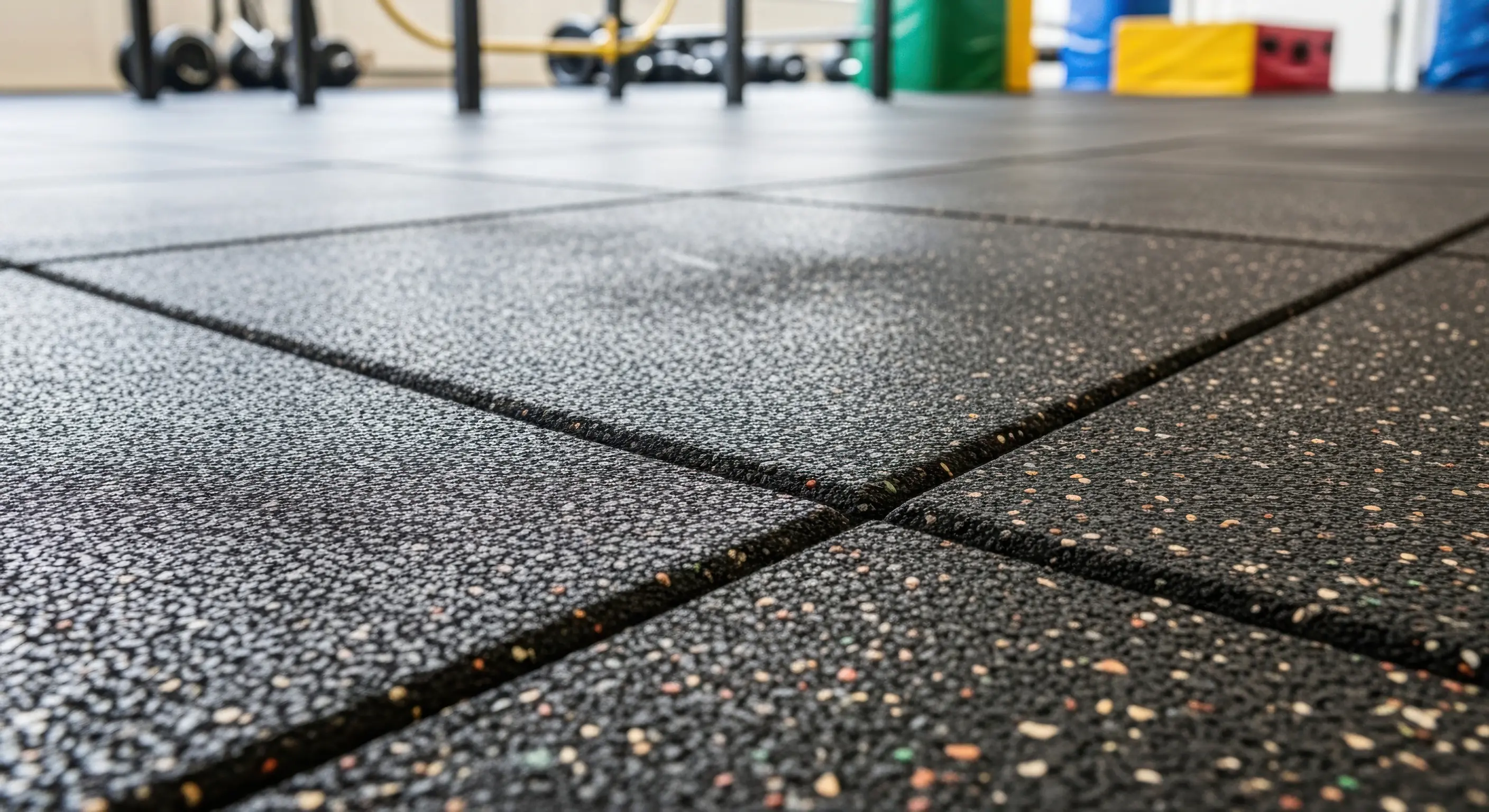
Rubber gym flooring takes a beating. Between dropped weights, sweaty workouts, and constant foot traffic, your facility’s floors need proper care to stay safe and looking professional. The good news? Maintaining commercial gym flooring doesn’t have to be complicated when you know what works.
Let’s walk through the proven steps that protect your investment and keep your floors in top shape.
6 Essential Steps for Rubber Gym Floor Maintenance
Knowing how to clean rubber gym floors the right way makes the difference between a floor that lasts decades and one that degrades within a few years. Whether you are managing a large commercial facility or maintaining a dedicated training space, following a structured gym floor maintenance routine protects your investment and keeps the surface safe, hygienic, and professional-looking year round.
- Remove all loose debris first. Before any wet cleaning begins, sweep or vacuum the entire surface to eliminate dust, dirt, and grit. This is the most overlooked step when people clean rubber gym floor surfaces, and skipping it means you are grinding abrasive particles into the material during mopping, which accelerates surface wear over time.
- Prepare your cleaning solution. The best way to clean gym floor mats and full rubber floor installations is always with a pH-neutral cleaner diluted in warm water. Avoid bleach, ammonia, vinegar, or any solvent-based product, as these break down the rubber compound and cause discoloration and cracking.
- Damp mop the entire surface. Wring your mop out thoroughly before it touches the floor. When you clean rubber gym mats or large rubber tile installations, excess moisture is one of the most common causes of adhesive failure and mold growth beneath the surface. Damp, not wet, is the standard to follow.
- Scrub high-traffic zones and seams. Use a soft-bristle brush on areas around free weight racks, cardio equipment, and tile seams where sweat and grime accumulate fastest. These spots need extra attention during every cleaning cycle to prevent odor buildup and bacterial growth.
- Rinse with clean water. After mopping with your cleaning solution, go over the floor once more with a clean mop and plain water to remove any residue. Leftover cleaner can make the surface tacky and attract more dirt between cleanings.
- Allow the floor to dry completely. Never reopen the space while the floor is still wet. Air drying is preferred, though fans can speed up the process. Standing water left on the surface or allowed to seep into seams is one of the fastest ways to shorten the lifespan of any rubber gym floor.
What Supplies Do You Need To Clean Rubber Gym Floors?
You need the right cleaner, a quality mop, and a bucket. For daily maintenance, grab a pH-neutral cleaner designed specifically for rubber surfaces. Mix it with warm water according to the product instructions.
Keep a microfiber mop on hand for wet cleaning and a dust mop or vacuum for dry debris removal. A soft-bristle brush helps tackle stubborn spots without scratching the surface. That’s it: nothing fancy, just the basics done right.
Why Does pH Matter for Rubber Flooring?
The pH level of your cleaning solution makes or breaks your floor’s longevity. Rubber gym flooring requires cleaners with a pH around 7 (neutral) because anything too acidic or too alkaline will break down the rubber compound over time.
Acidic cleaners like vinegar and bleach cause discoloration and degradation, while highly alkaline products can make the surface sticky or cause deterioration. A neutral cleaner protects the material while effectively cutting through sweat, oils, and grime.
How Do You Clean a Rubber Gym Floor Daily?
Daily cleaning prevents dirt buildup and extends floor life. Start by removing all loose debris with a dust mop or vacuum. This step is critical because grinding dirt and sand into the surface during wet mopping creates scratches.
Once debris is cleared, damp mop with your diluted pH-neutral cleaner. Wring out the mop thoroughly: you want damp, not soaking wet. Excess water can seep into seams or edges, potentially causing mold or adhesive problems underneath.
What’s the Best Way To Remove Loose Debris?
A commercial-grade dust mop or a vacuum with a hard floor attachment works best. We recommend dry mopping or vacuuming at least once daily in high-traffic gyms, and more often if your facility sees heavy use.
Pay special attention to areas near free weights and cardio equipment where dust and debris accumulate fastest. This quick five-minute task prevents the majority of surface damage.
Should You Dry Mop or Wet Mop Rubber Gym Floors?
Both, but in the right order. Always dry mop or vacuum first to remove loose particles. Then wet mop with a pH-neutral solution. This helps deliver a clean rubber gym floor while also managing long-term wear.
Most commercial facilities benefit from daily sweeping and weekly mopping, though high-traffic gyms may need more frequent wet cleaning. Your maintenance schedule should match your traffic patterns.
What’s the Process for Deep Cleaning Rubber Gym Floors?
Deep cleaning tackles the dirt and bacteria that daily maintenance misses. Start with your standard dry cleaning, then use a more concentrated pH-neutral cleaner solution with a soft-bristle brush to scrub high-traffic areas and spots where grime has built up.
For larger facilities, an auto-scrubber with low-pressure brushes makes the job easier while protecting the rubber surface. After scrubbing, mop with clean water to remove all cleaning solution residue. Let the floor air dry completely before reopening the space.
How Often Should You Deep Clean Commercial Gym Flooring?
Most rubber flooring manufacturers recommend deep cleaning quarterly, or more frequently in high-traffic commercial settings. Schedule deep cleans during slower periods or after major events when you can close the space for a few hours.
This frequency prevents odor buildup, maintains traction, and keeps your floors looking professional.
Expert Tips for Long-Term Gym Floor Maintenance
A solid cleaning routine keeps your floor looking good day to day, but these additional gym floor maintenance habits are what protect your investment over the long term.
- Set a written maintenance schedule. Consistency matters more than intensity. A posted daily, weekly, and quarterly checklist ensures your rubber gym floor gets the attention it needs regardless of who is on shift.
- Place entrance mats at every access point. Most of the dirt and moisture that damages rubber flooring walks in from outside. Entrance mats significantly reduce how often you need to clean rubber gym floor surfaces throughout the day.
- Inspect seams and edges monthly. Lifting or separating tiles usually signals a moisture or adhesive issue underneath. Catching it early keeps a minor fix from becoming a full replacement.
- Protect the floor under heavy equipment. Weight racks and machines concentrate pressure on small areas. Rubber or felt pads distribute that load and prevent tears and permanent indentations.
- Never use steam cleaners. When facilities ask how do you clean rubber gym floors safely, the answer is always controlled moisture with pH-neutral products. High heat degrades rubber and compromises the adhesive layer beneath.
What Common Mistakes Damage Rubber Gym Floors?
Using harsh chemicals is the number one mistake. Bleach, ammonia, acetone, and solvent-based cleaners degrade rubber over time, causing cracks, discoloration, and surface breakdown. Even popular household cleaners like Pine-Sol or Murphy’s Oil Soap contain ingredients that damage rubber.
Over-wetting is another frequent problem. Excess water doesn’t just slow the drying process; it can seep under the flooring, compromise adhesives, and create mold conditions. Always wring your mop well and never leave standing water on the surface.
Finally, abrasive tools like steel wool or stiff brushes scratch the surface and create places for bacteria to hide. Stick with soft microfiber mops and gentle brushes designed for rubber sheet or rubber tile installations.
When Should You Call a Commercial Flooring Professional?
If you’re seeing persistent discoloration, odors that won’t lift, or areas where the rubber feels sticky or degraded, it’s time to bring in expertise. These issues often indicate either that improper cleaning products have been used or that there’s a deeper problem with the floor installation or the substrate.
Keep Your Flooring Investment Protected
Your rubber gym flooring is a significant investment that directly impacts safety and your facility’s appearance. Daily dry cleaning, weekly wet mopping with the right pH-neutral cleaner, and quarterly deep cleaning will keep it performing for years to come.
When you need expert guidance on gym floor maintenance or professional routine flooring maintenance services, Consolidated Flooring brings 80+ years of commercial flooring expertise to the table. We understand the unique challenges property managers face and provide maintenance solutions that fit your schedule and budget. Contact us to discuss your facility’s flooring needs.