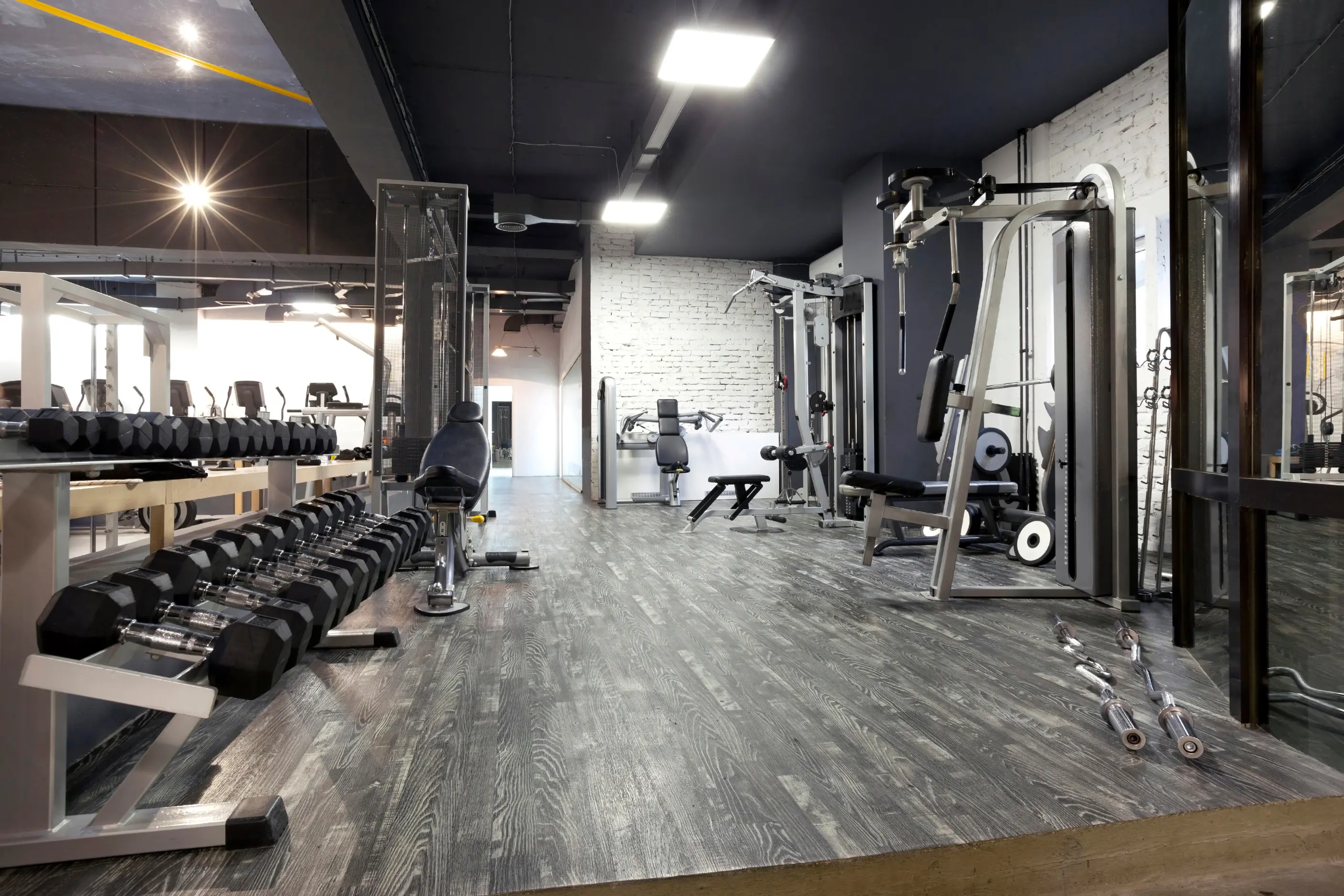
What Is The Best Flooring For A Gym Floor?
Choosing the best flooring for your gym can feel overwhelming at first. There are many different types of gym flooring available, and the right option will depend on how you intend to use the space.
What is the best flooring for a gym, and which gymnasium flooring options actually hold up in a demanding commercial environment? Whether you are outfitting a weight room, a CrossFit box, or a full multi-use training facility, the answer depends on how the space will be used. Flooring for a CrossFit gym has different requirements than the best flooring for a weight room, and both differ from what works in a general fitness floor or group exercise area.
What is a gym floor made of when it is built to last? Most high-performance commercial gym floors rely on materials like gym rubber floor systems, artificial turf, hardwood, or vinyl: each suited to specific zones and activity types. Our team at Consolidated Flooring has over 80 years of experience helping facilities across Chicago, New York, and the U.S. find the best flooring for a gym room that fits their use case, budget, and long-term performance needs. This guide covers everything you need to make a confident decision.
What Makes Gym Flooring Different From Regular Commercial Flooring?
One of the main challenges with fitness facility flooring is that it encounters a lot of high-impact activity. For instance, weightlifting areas with heavy weights hitting the floor, or basketball courts where people are consistently running, jumping, and quickly changing directions.
Intense use and heavy traffic on commercial gym floors, in athletic facilities, or even in school gymnasiums can cause certain types of flooring to wear out or be easily damaged. So, it’s important that the options you choose are durable enough based on the use case.
Many commercial gyms are also concerned with noise reduction. Think of gymgoers doing heavy deadlifts where weights are hitting the ground or running on the track with heavy footfalls. All of that noise adds up, and you might start to get complaints about it from your members.
Finally, safety is a concern. Gym owners need to worry about qualities like shock absorption, slip resistance, and moisture resistance to prevent mold or mildew. Organizations like ASTM International set standards for these qualities to encourage safety in indoor sports floor systems.
Fortunately, many different flooring options are available to address each of these needs.
6 Best Flooring Options For Different Gym Areas
Some of the best flooring options for different gym areas are:
- Rubber gym flooring: Rubber flooring is known for its resilience and impact resistance. It’s often a great choice for free weight areas in commercial gyms to protect the floor when weights hit the ground. It’s also a great option to reduce noise if gymgoers are doing exercises like deadlifts, where the weights are hitting the ground with more force.
- Wood gym flooring: Wood athletic flooring is a popular option for competitive athletic facilities. Think of a classic maple floor on a basketball court that provides great rebound, shock absorption, durability, and an aesthetically pleasing appearance.
- Foam flooring: Foam flooring is great when you want extra padding and comfort underneath. This is often a popular option for yoga studios, martial arts, or children’s play areas.
- Vinyl sports flooring: Vinyl gym flooring is a versatile option where you can customize the appearance to your facility’s needs. It’s also more affordable than options like wood flooring. It’s a great choice for multi-use areas, dance studios, group exercise areas, or basketball courts.
- Artificial turf: Many athletic training facilities like having a section with artificial turf, which is great for performing sled pushes or agility training. It’s highly durable and optimal for sport-specific training.
- Interlocking tile systems: Interlocking tiles are a flexible option for weightlifting areas or temporary fitness setups. They offer cushioning inside with a firmer surface on the top and bottom. They’re very easy to move around and adjust if your needs or setup change.
How Do You Handle Locker Rooms and High-Moisture Areas?
Many commercial gyms opt for vinyl flooring in their locker rooms. The benefits are that it’s cost-effective, easy to maintain, and moisture-resistant.
Rubber tiles or rolls are also a great option. They’re usually more expensive than vinyl, but offer great slip resistance, are highly durable, resistant to mold and bacteria, and provide great comfort underfoot.
How Do You Choose Between Rubber, Wood, and Other Gym Flooring Materials?
The best way to choose the flooring in your gym is to think about the use case. For instance, rubber is great for impact resistance in free weight areas, while wood might be better for a basketball court where you need a hard surface with great rebound.
Budget is also important to consider. For example, both vinyl and wood can be effective flooring options for a basketball court. Vinyl is more affordable, and you can design it to look like wood, so it’s worthwhile considering it if you need to stretch your budget.
You also don’t have to stick to one type of flooring throughout your gym. You can create zones for different activities that use different types of flooring. It’s a great way to organize the space with dedicated training areas.
If you’re unsure where to start, working with a full-service commercial flooring provider like our team at Consolidated Flooring can help. We can help you find a design and flooring types that fit your needs, balance budgetary constraints, perform safe athletic flooring installation, and even help with regular maintenance.
What Should You Consider For Installation in Occupied Facilities?
If your commercial gym or training facility is already occupied with equipment set up and members actively using it, you’ll want a detailed timeline for installation and to plan ahead. That way, you can notify your members if the facility will be closed and for how long.
Professional flooring installers like our team at Consolidated Flooring can work with you to minimize facility downtime and disruptions to training schedules. We can help with flooring and subfloor inspections, develop a detailed installation plan, procure materials, and ensure compliance with safety requirements.
How Do You Maintain and Extend The Life of Gym Flooring?
Here are some ways to keep your gym flooring in great condition and extend its lifespan:
- Performing daily dust mopping or sweeping
- Carrying out weekly wet mopping with approved cleaning products
- Having mats in the entrance to reduce moisture and dirt coming into the facility
- Using pads under heavy equipment or in high-impact areas
- Performing periodic recoating every 12-18 months to protect the finish
How Do You Work With Commercial Flooring Professionals For Your Gym Project?
When you’re taking on a gym flooring project, it’s a great idea to work with flooring professionals who provide full-service solutions. It makes it much easier to organize everything when the same team works on everything involved, such as planning, material procurement, installation, inspection, and maintenance.
We offer well-rounded commercial flooring solutions at Consolidated Flooring that can help. Our team brings 80 years of experience, including helping with gym flooring in Chicago and other locations across the U.S. When you work with us on your commercial gym flooring project, we will:
- Provide an expert consultation to help you select the best options for your needs
- Perform a complete on-site assessment, including inspection of the subfloor
- Coordinate procurement of materials
- Create an installation timeline that minimizes facility downtime
- Complete professional subfloor prep and leveling
- Perform a detailed installation while ensuring safety code compliance
Our goal is to tailor solutions to your needs and provide full support even after installation is completed.
We’re ready to partner with you to make your project a success. Contact us today to learn more about how we can help.