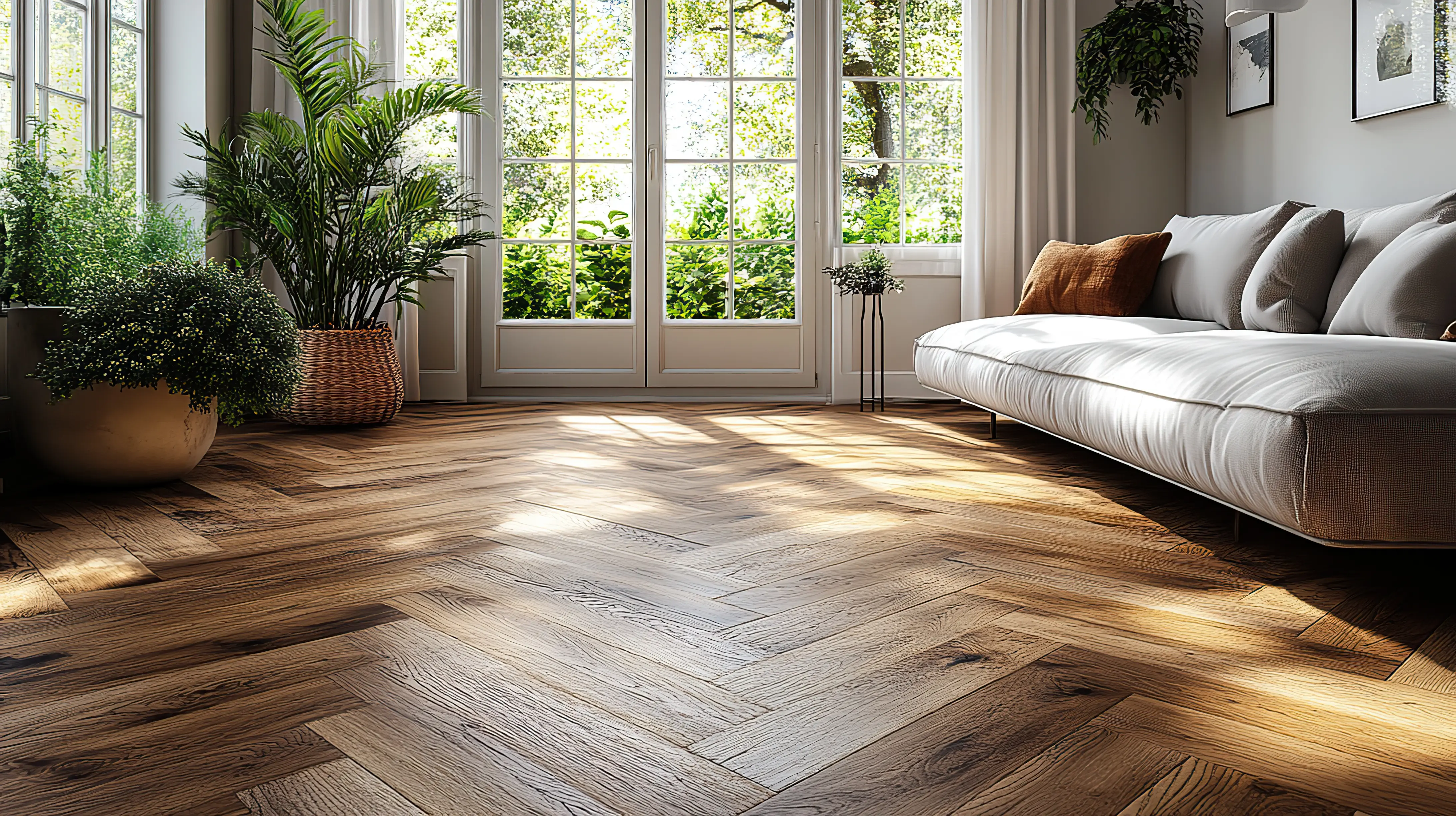
What Is Lvt Flooring?
If you’re specifying flooring for your next commercial project, you’ve likely encountered LVT flooring as a leading contender. With the global luxury vinyl tile market projected to grow from $29.4 billion in 2025 to $33.33 billion in 2026, architects and designers are increasingly turning to this versatile material for everything from healthcare facilities to corporate offices.
But what exactly makes luxury vinyl tile such a compelling choice for commercial environments? Let’s explore the construction, performance characteristics, and practical considerations of LVT, so you can determine whether it’s right for your project.
What Does LVT Stand For in Commercial Flooring?
LVT stands for Luxury Vinyl Tile. It’s a high-performance flooring material engineered specifically to replicate the appearance of natural materials like wood, stone, and ceramic while delivering superior durability and easier maintenance. Unlike basic vinyl flooring, LVT features advanced multi-layer construction and enhanced wear protection designed to withstand the demanding conditions of commercial spaces.
For commercial applications, LVT has become the go-to solution when you need the aesthetic appeal of hardwood or stone without the maintenance headaches or budget constraints. You’ll find commercial LVT flooring installed in hospitals, hotels, retail stores, office buildings, and educational facilities; anywhere that demands both visual impact and long-term performance.
How Is LVT Flooring Constructed?
To see why LVT performs so well in commercial settings, it helps to understand its layered construction. Vinyl tile flooring typically consists of four to six distinct layers:
Wear Layer: This transparent protective coating ranges from 20 mil (0.5 mm) for standard applications to 40 mil (1.0 mm) for heavy-traffic environments. The thicker the wear layer, the better the floor resists scratches and daily wear.
Design Layer: A high-resolution printed film that creates the visual appearance, whether that’s reclaimed oak, travertine, concrete, or any other aesthetic you’re targeting.
Core Layer: The structural foundation providing dimensional stability and impact resistance. In commercial vinyl flooring, this core ranges from 2.5mm to 8mm thick and determines the product’s overall rigidity.
Backing Layer: Provides additional stability and, in some products, incorporates attached cushioning for comfort and sound reduction.
This engineered construction separates luxury vinyl tile from traditional vinyl. Each layer works together to deliver commercial-grade performance that can last 15-20 years in high-traffic environments.
What Are the Key Benefits of LVT for Commercial Applications?
When comparing LVT flooring pros and cons, its advantages for commercial projects quickly stand out.
The material delivers exceptional value across multiple performance metrics: it’s waterproof, highly durable, dimensionally stable, and available in virtually unlimited design options. Installation is faster than many alternatives, reducing labor costs and project timelines. LVT maintenance requirements are minimal compared to those of hardwood or natural stone, which translates to lower lifecycle costs.
From a design perspective, LVT gives you nearly unlimited aesthetic flexibility. Modern printing technology creates photorealistic wood grains, stone textures, and even custom patterns that would be impossible or prohibitively expensive in natural materials.
Why Is LVT Flooring Ideal for High-Traffic Commercial Spaces?
LVT durability in commercial applications comes down to engineering specifically designed for demanding use. The wear layer protects against the constant assault of foot traffic, rolling equipment, and cleaning protocols that would quickly degrade lesser materials.
Commercial LVT with a 20 mil wear layer meets ASTM standards for heavy commercial traffic, making it suitable for office corridors, retail sales floors, and educational facilities. For especially demanding environments like airport terminals or hospital corridors, products with 28-40 mil wear layers provide even greater protection.
The material’s resilient construction also means it’s more forgiving underfoot than ceramic tile or concrete, reducing fatigue for employees who stand for extended periods. This ergonomic advantage makes LVT particularly appropriate for retail environments, healthcare facilities, and hospitality venues.
Is LVT Flooring Waterproof for Healthcare and Hospitality Projects?
When your project involves frequent spills, moisture exposure, or rigorous cleaning protocols, you need absolute confidence in your flooring’s water resistance. Waterproof commercial flooring is not just a nice feature in healthcare and hospitality; it’s a fundamental requirement.
True LVT is completely waterproof. The vinyl composition resists water penetration, won’t swell or delaminate when exposed to moisture, and can handle wet mopping and even pressure washing in appropriate installations. This makes luxury vinyl tile ideal for hospital patient rooms, commercial kitchens, hotel bathrooms, and any space where water exposure is inevitable.
In healthcare environments, waterproof performance combined with antimicrobial surface treatments makes commercial LVT a hygienic choice that meets infection control standards.
What’s the Difference Between LVT and LVP Flooring?
LVT vs LVP is one of the most common questions architects and designers ask when first exploring vinyl flooring options. While both products share similar construction and performance characteristics, the distinction comes down to format and aesthetic intent.
LVT (Luxury Vinyl Tile) refers to products shaped in squares or rectangular tiles, typically ranging from 12″×12″ to 24″×24″. These tiles are designed to replicate ceramic, porcelain, stone, or decorative pattern tiles. You’d specify LVT when you want the look of a tiled floor with grout lines.
LVP (Luxury Vinyl Plank) describes the same material manufactured in long, narrow planks (usually 6″-9″ wide and 36″-72″ long) designed to simulate hardwood flooring.
From a performance standpoint, there’s no meaningful difference. Both use identical construction methods, offer the same durability, and are installed using the same techniques. Your choice is purely aesthetic: tiles for a stone or ceramic look, planks for a wood appearance.
How Does LVT Compare to Other Commercial Flooring Options?
Understanding where commercial LVT flooring fits in the competitive landscape helps you make informed specification decisions. Each flooring category offers distinct advantages depending on your specific project requirements.
Is LVT Better Than Laminate for Commercial Projects?
LVT and laminate flooring often get confused because both offer cost-effective alternatives to natural materials. However, their performance characteristics differ significantly in commercial applications.
The critical distinction is water resistance. Laminate consists of a wood-composite core with a photographic layer and protective overlay; a construction that makes it vulnerable to water damage. While some laminate products claim water-resistant properties, none match LVT’s complete waterproof performance.
LVT durability also exceeds that of laminate in most commercial scenarios. The vinyl construction withstands impact better, doesn’t chip like laminate’s surface can, and the wear layer provides more consistent long-term protection. In any commercial environment where spills, moisture, or wet cleaning occurs, LVT is the superior choice.
Should You Choose LVT or VCT for Your Commercial Space?
VCT (Vinyl Composition Tile) has been the commercial flooring workhorse for decades. Comparing commercial vinyl flooring options means understanding how LVT and VCT serve different needs.
VCT is a homogeneous vinyl product. In other words, the color goes through the entire thickness, which means you can sand and refinish it multiple times. It’s economical and extremely durable. However, VCT requires regular stripping and waxing to maintain appearance, creating ongoing labor and material costs.
LVT flips this equation. The initial material cost typically runs higher than VCT, but LVT maintenance requirements are dramatically lower: just routine sweeping and damp mopping, no stripping or waxing cycles. Over a 15-20 year lifecycle, LVT’s reduced maintenance often makes it more economical despite the higher upfront cost.
From a design perspective, LVT wins decisively. While VCT offers solid colors and simple patterns, LVT delivers photorealistic wood and stone visuals. For projects where aesthetics matter, like corporate offices, retail environments, and hospitality venues, LVT is the clear choice.
What Are the Different LVT Installation Methods?
LVT installation methods significantly impact project costs, timelines, and long-term performance. Understanding the three primary installation systems helps you select the approach that best matches your requirements.
Glue-Down Installation: Adhesive bonds each tile or plank directly to the substrate. This creates the most stable, permanent installation with minimal vertical profile. Glue-down is ideal for high-traffic commercial spaces and areas with rolling loads.
Loose-Lay Installation: Products use friction and weight to stay in place, with specialized backing that grips the subfloor without adhesive. Installations are faster and allow for easy replacement of damaged planks. However, they’re not suitable for all commercial applications: avoid loose-lay in areas with rolling traffic.
Click-Lock (Floating) Installation: Planks or tiles mechanically lock together and “float” over the subfloor without adhesive. This installation method is fastest and most forgiving of minor subfloor imperfections. Click-lock works well for moderate commercial traffic but may not be appropriate for the most demanding applications.
Does LVT Flooring Need to Be Glued Down in Commercial Spaces?
The answer depends on your specific application. Glue-down installation isn’t universally required, but it’s recommended for most commercial environments, especially those with heavy traffic, rolling equipment, or large open floor areas.
For spaces like office corridors, retail stores, healthcare facilities, and hospitality public areas, glue-down installation provides the stability and permanence that commercial performance demands. The full adhesive bond prevents movement and ensures maximum wear layer contact with foot traffic forces.
However, click-lock and loose-lay systems have legitimate commercial applications. Private offices, conference rooms, and areas with lighter traffic can successfully use these alternative installation methods.
What Are the Potential Drawbacks of LVT Flooring?
Every flooring material involves trade-offs, and when considering the pros and cons of LVT flooring, it’s important to address limitations alongside advantages.
Surface Damage from Heavy Objects: While the wear layer resists normal traffic beautifully, extremely heavy or sharp objects can dent or cut through the surface. Furniture leg protectors remain a necessary precaution.
Sensitivity to Subfloor Condition: LVT telegraphs imperfections in the substrate more readily than thicker flooring types. Successful installations require proper subfloor preparation, including crack repair and leveling.
Temperature Sensitivity: Vinyl expands and contracts with temperature fluctuations. Installations in spaces with significant temperature variations require careful attention to expansion gaps and acclimation procedures.
Environmental Considerations: While vinyl flooring has made significant sustainability progress, some project teams prefer materials with higher recycled content. Many manufacturers now offer LVT products with recycled content, phthalate-free formulations, and third-party environmental certifications.
Replacement vs. Repair: Despite excellent LVT durability, damaged tiles or planks typically must be replaced rather than repaired. While replacement is possible with glue-down installations, it requires skill to avoid visible patches.
How Does Consolidated Flooring Support Your LVT Flooring Project?
Selecting the right commercial LVT flooring is only the first step. Successful projects require expert guidance through specification, proper installation, and ongoing support. Consolidated Flooring has delivered that for over 80 years.
Our team brings multi-generational expertise in commercial applications. We understand the unique demands of healthcare facilities, hospitality venues, office buildings, retail spaces, and educational institutions because we’ve installed flooring in all of them thousands of times. When you’re evaluating LVT vs LVP options, weighing LVT installation methods, or determining appropriate wear layer specifications for your traffic patterns, you’re not working with a product salesperson: you’re consulting with flooring specialists who understand your project’s complete context.
Consolidated Flooring provides comprehensive support across your entire project lifecycle. From initial planning and specification development through product selection, logistics coordination, professional installation, and post-installation LVT maintenance programs, we handle every detail. Our Gold Standard Safety protocols keep projects incident-free, while dedicated warehousing, trucking, and the innovative ConsoLift system help keep timelines on track.
When you partner with a family-owned commercial flooring contractor with 80+ years of proven performance, you gain more than a vendor: you gain a collaborator invested in your success. We ensure you stand proudly on our work every day, confident that your flooring investment delivers the performance, aesthetics, and value your project requires.
Ready to explore how LVT flooring can elevate your next commercial project? Contact Consolidated Flooring to discuss your specific requirements with our team of commercial flooring experts.