Vinyl Vs. Linoleum Flooring
When planning a commercial flooring project, you’ll come across a lot of different options and need to decide which is the best fit for your property.
Two common types of flooring are vinyl and linoleum. Some people even use the terms interchangeably because they have many similarities, but there are some key differences between the two that you’ll want to consider.
To help, we’ve created this guide containing vinyl vs. linoleum flooring pros and cons. Which flooring should you choose for your commercial project? Stick around to find out.
What Is Vinyl Flooring?
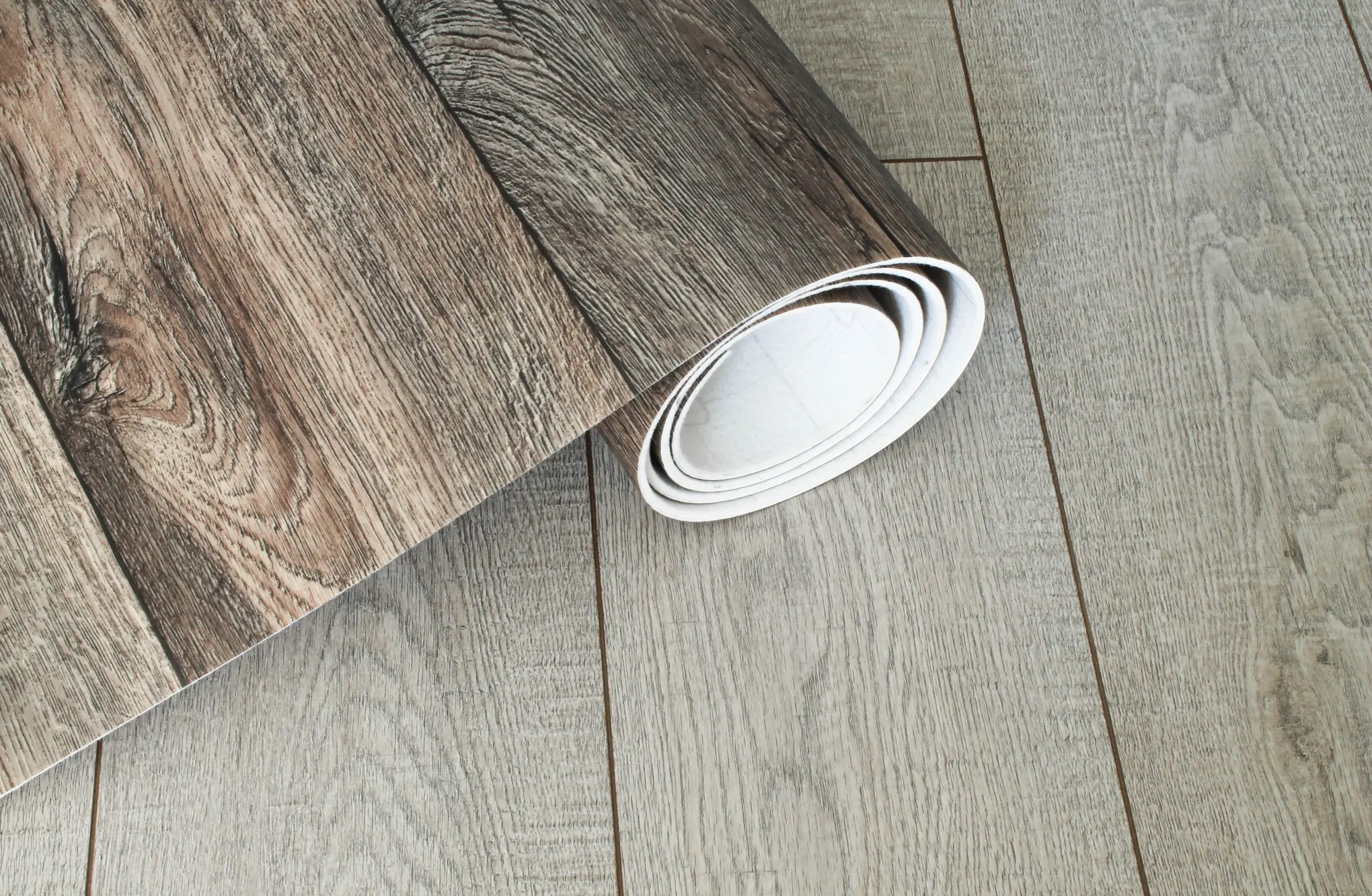
Vinyl flooring is a synthetic, multi-layer flooring material made primarily from PVC. Its flexible construction allows manufacturers to produce it in an enormous range of styles, colors, and finishes, including options that closely mimic the look of hardwood, stone, or ceramic tile. That design versatility is one of the main reasons vinyl became and has stayed one of the most widely used commercial flooring materials available.
In the context of linoleum vs vinyl flooring, vinyl stands out for its low upfront cost, ease of installation, and minimal maintenance requirements. It never needs sealing, holds up well against moisture, and can be cleaned with standard commercial cleaning products. For property managers and building owners who need a practical, budget-conscious solution across large square footage, vinyl flooring consistently delivers strong performance without demanding significant ongoing upkeep.
What Is Linoleum Flooring?
Linoleum flooring is one of the oldest resilient flooring materials still in active use today, and it has seen a genuine resurgence in commercial applications in recent years. Unlike vinyl, linoleum is made from entirely natural materials, primarily linseed oil, powdered cork, wood flour, ground limestone, and tree resins. The result is a dense, firm flooring product whose color and pattern run all the way through the material rather than sitting on a printed surface layer.
When comparing linoleum flooring vs vinyl on sustainability and longevity, linoleum holds a clear advantage. Its natural composition makes it biodegradable and a preferred choice for projects pursuing green building certifications. It also has a longer expected lifespan than vinyl, often lasting 25 to 40 years with proper care. The main trade-off is that linoleum requires periodic sealing to maintain water resistance, and it offers fewer design variations than vinyl. For commercial spaces where durability and environmental responsibility are priorities, linoleum flooring remains a compelling and increasingly relevant option.
Which Is Better: Vinyl Flooring or Linoleum?
Ultimately, the best option between vinyl and linoleum comes down to your preferences and the needs of your commercial building. You’ll want to consider factors like your budget, the appearance you’re looking for, and the durability and lifespan of each type of flooring.
To give you a quick answer:
Vinyl flooring is the more budget-friendly option and offers a wider variety of colors and styles to choose from. It’s still very durable and holds up well in high-traffic areas, but it doesn’t have quite as long a lifespan as linoleum.
Linoleum flooring is often a top choice when you’re looking for options that use environmentally-friendly materials or that have a longer lifespan. It’s very durable and can work well for many use cases, but you won’t get as many design options.
4 Key Differences Between Vinyl and Linoleum Flooring
Some of the key differences between these two options are:
1. Material Composition
Vinyl is a synthetic flooring option made primarily of PVC. It’s a highly flexible material that allows it to be manufactured in styles that mimic natural materials like wood, ceramic, or stone. Therefore, you’ll have a lot of style and color options when using vinyl flooring.
Alternatively, linoleum has an all-natural material composition primarily of linseed oil, powdered cork, wood flour, ground limestone, and tree resins. That makes it the more environmentally-friendly choice. Due to the all-natural composition, its color and pattern are present throughout the entire material, so you’ll have less flexibility with style and color choices.
2. Price
When you’re comparing vinyl vs. linoleum flooring costs, vinyl is typically the more affordable option. Its use of synthetic materials makes it cheaper to produce than linoleum’s all-natural material composition. However, linoleum can have advantages for those concerned about their environmental footprint or the longevity of their flooring.
3. Maintenance
Both of these options are easy to clean and maintain, and they’ll hold up well against high foot traffic, water, and heat. The one consideration with linoleum is that you should seal it periodically to help with water resistance.
4. Longevity
Linoleum flooring tends to last longer than vinyl. Since linoleum contains natural materials, it holds up very well over its lifespan in many different conditions. On top of that, linoleum maintains a consistent color and style throughout the entire material, so small scratches can be less visible. With vinyl, damage could lead to the internal PVC layer showing through over time.
What Is Better: Vinyl vs. Linoleum Flooring?
The difference between vinyl and linoleum comes down to what your project prioritizes. There is no universally better option between lino and vinyl — the right choice depends on your budget, your maintenance capacity, your sustainability goals, and how long you need the floor to perform.
If upfront cost and design flexibility are your primary concerns, vinyl is the stronger choice. It costs less per square foot, installs more quickly, requires no sealing, and gives you far more style options to work with. It performs reliably in high-traffic commercial environments and is a practical fit for retail spaces, offices, and hospitality settings where aesthetics and budget need to align.
If longevity and environmental impact matter more to your project, linoleum vs vinyl flooring tips in linoleum’s favor. It outlasts vinyl by a significant margin, its natural material composition supports green building goals, and its through-body color means surface wear is far less visible over time. It does require more maintenance discipline, particularly around periodic sealing, but for healthcare facilities, educational buildings, or any space pursuing LEED certification, that trade-off is often worth making.
When weighing linoleum flooring vs vinyl for a commercial project, the most important step is being honest about your total cost of ownership, not just the installation price. A floor that lasts 35 years with moderate maintenance may cost less in the long run than a floor that needs replacement in 15. That is the core of the linoleum vs vinyl decision, and it is worth discussing with a commercial flooring partner before committing.
Why Don’t People Use Linoleum Anymore?
Over the years, linoleum became less popular because manufacturers started creating more affordable and customizable flooring options like vinyl. Many people like using vinyl in their property because they get an option that mimics natural materials like wood at a lower cost while still being really durable.
That said, people still do use linoleum, and some will prefer it. Linoleum has become more trendy again in recent years because it contains all-natural materials. Those designing properties who want to opt for something environmentally friendly will like a flooring option like linoleum for that reason. Plus, its longevity is a great bonus.
Ultimately, both vinyl and linoleum can be great options. It comes down to your budget and preferences when you’re adding flooring to a commercial space.
What Is Linoleum Flooring Called Now?
Many people still call it “linoleum.” You may also hear it referred to by the shortened name “lino,” or some people may refer to it by popular brand names like Marmoleum.
Additionally, some people incorrectly refer to linoleum as “sheet vinyl” since linoleum often comes in sheets. However, there is a difference between vinyl and linoleum, and you can find vinyl sheet flooring that’s actual vinyl, so it’s best to refer to them separately by their correct name.
If you aren’t sure, it’s best to ask a flooring provider what type of flooring it is or ask about the material composition.
How To Tell if a Floor Is Linoleum or Vinyl
The best way to identify vinyl vs. linoleum flooring is to look at the pattern. Linoleum will have a consistent design that goes all the way through the material, while vinyl flooring designs are just a printed layer. Vinyl will also come in a wider variety of designs and look more glossy.
You can also tell when you’re standing on or feeling the floor. Linoleum has a firmer feel, while vinyl is softer with a cushioned back.
Choosing the Right Commercial Resilient Flooring Partner
As you’re taking on a commercial flooring project, it’s a great idea to have a partner on your side that can offer expertise throughout the process. At Consolidated Flooring, we’re a full-service flooring provider that can help every step of the way.
Whether you need help picking the right type and style of flooring for your needs, procuring materials, leveling commercial floors, performing detailed installation, or maintaining or repairing floors, we offer services that can help with those tasks and more.
Our team at Consolidated Flooring is here to help you achieve the best results for your project. Contact us today to learn more about our services.