
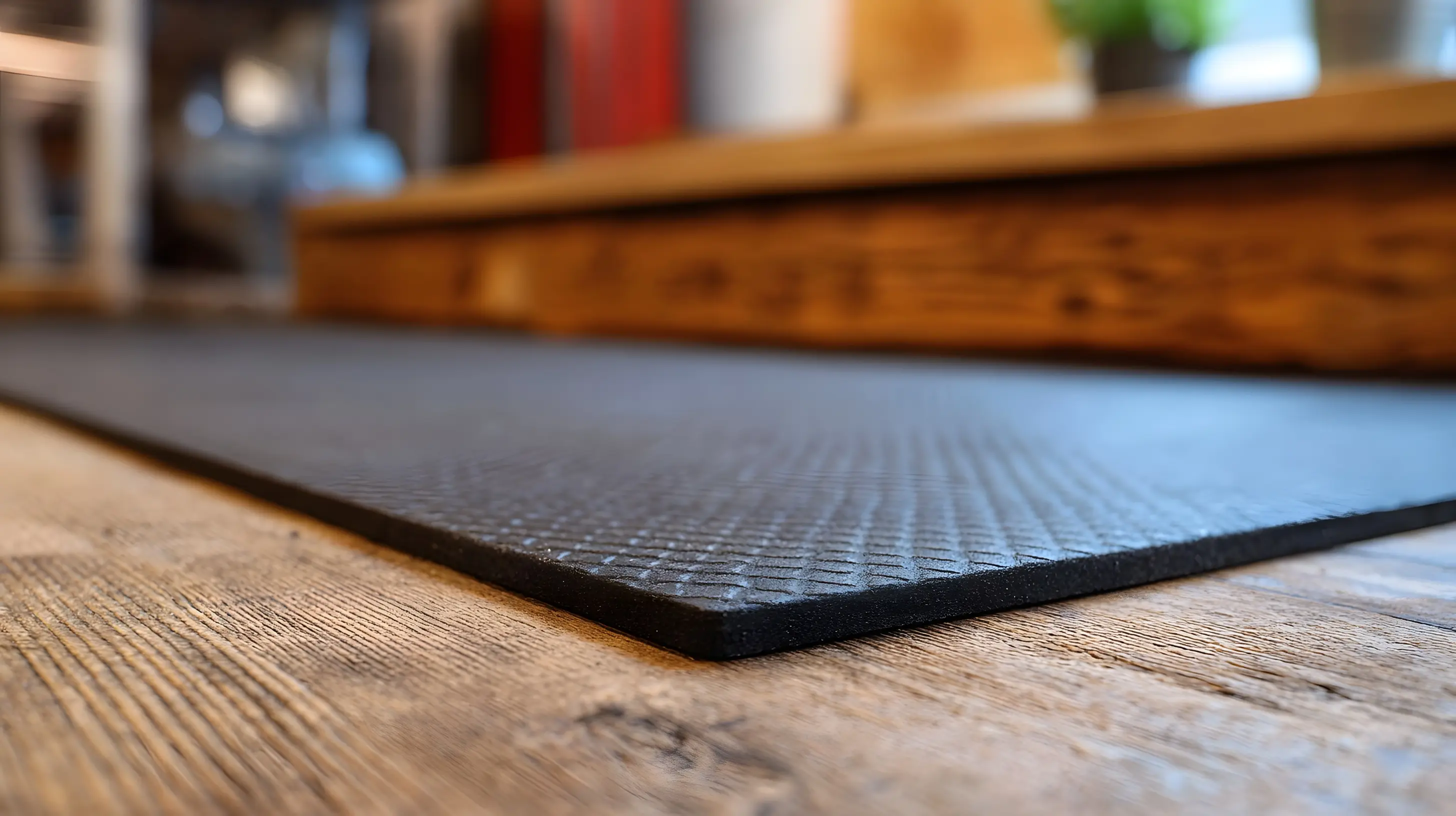
What Thickness Should You Choose For Your Rubber Gym Flooring
Choosing the thickness of rubber gym flooring for your building’s fitness center depends entirely on what’s happening in that space. Too-thick flooring wastes budget on unnecessary cushioning, while too-thin flooring means costly replacements when the subfloor takes a beating. Let’s break down how to make this decision.
How Thick Should My Gym Flooring Be?
Rubber flooring for fitness centers ranges from 6mm (about 1/4 inch) up to 19mm (3/4 inch) or more. The sweet spot for most commercial gyms falls between 8mm and 12mm, but that depends on your equipment profile.
What Type of Equipment Will Be Used on the Flooring?
Cardio equipment like treadmills and ellipticals creates rolling loads but minimal impact. For fitness centers dominated by cardio machines, 8mm rubber flooring provides adequate protection while keeping costs reasonable.
Heavy equipment and free weights change everything. If your fitness amenity includes power cages or squat racks, you need a thickness of at least 10mm to 12mm. Dropped weights create concentrated impact forces that thinner flooring can’t absorb properly.
For dedicated weightlifting areas with Olympic lifts and heavy weights, 15mm to 19mm-thick rubber mats become necessary. These spaces see barbells over 200 pounds getting dropped from overhead; that’s when maximum shock absorption matters.
How Much Foot Traffic Will Your Fitness Center Get?
High foot traffic accelerates wear patterns on any flooring surface. A building amenity gym serving 200 units needs denser, higher-quality rubber flooring options than a small fitness room. For high traffic areas like stretching zones, even 8mm works if it’s commercial-grade vulcanized rubber.
What Is the Best mm for Gym Flooring?
There’s no universal “best” thickness because every gym serves different needs, but understanding the standard options helps you match your selection to your situation.
Is 8mm Rubber Flooring Good for a Home Gym?
8mm has become the standard for home gym flooring and light commercial applications. For bodyweight exercises, yoga, and weight training with lighter weights (up to about 75 pounds), 8mm provides excellent floor protection without the cost of thicker options.
We specify 8mm frequently for building amenity gyms where tenants use the space for general fitness. It’s cost-effective, easier for our installation tradesmen to work with in occupied buildings, and delivers proper impact absorption.
Is 1/4 Inch Thick Enough for a Gym Floor?
1/4 inch (approximately 6mm) works for dedicated cardio zones or spaces where workout equipment remains stationary. However, if tenants might bring in dumbbells or kettlebells, that thin flooring won’t provide adequate subfloor protection for most commercial gyms.
How Does Rubber Flooring Thickness Affect Impact and Noise Reduction?
Rubber flooring thickness directly impacts how your gym affects neighbors. Thicker flooring means more material to absorb impact energy before it reaches the structural slab, which translates to better noise reduction throughout the building.
Beyond basic shock absorption, rubber’s density and composition matter enormously. Recycled rubber and vulcanized rubber options both work well, but their density ratings affect performance more than thickness alone.
Why Does Rubber Flooring Thickness Matter for Multi-Story Buildings?
Multi-story buildings face unique challenges because impact noise travels through the floor-ceiling assembly to units below. Building codes typically require IIC ratings of at least 50. That’s the Impact Insulation Class measurement showing how well your floor blocks structure-borne noise.
A 10mm to 12mm rubber gym flooring installation creates a barrier that reduces footfall noise and impact sound transmission. For fitness centers above occupied residential spaces, this is essential for tenant satisfaction. We rarely recommend anything under 10mm for multi-story applications.
What Rubber Flooring Options Should Property Managers Consider Beyond Thickness?
Slip-resistant surfaces are non-negotiable for fitness spaces where sweat creates safety hazards. Most quality rubber gym flooring provides natural traction, but surface patterns vary. Some products feature raised textures that enhance grip during plyometrics training or martial arts.
Material composition affects odor and durability. Recycled rubber offers cost savings but sometimes carries an initial odor. Virgin rubber costs more but delivers consistent performance with minimal smell. Read our blog with simple steps to clean a rubber gym floor.
How Do Rubber Tiles Compare to Rubber Rolls for Gym Installations?
Interlocking tiles offer installation flexibility: our tradesmen can complete occupied building installations with minimal disruption. If damage occurs to one tile, replacement is straightforward.
Rubber rolls create seamless installations ideal for larger gym space areas. The continuous surface eliminates tile seam lines where dirt accumulates. For permanent installations covering 1,000+ square feet, rolls typically prove more cost effective on materials and labor.
How Can We Help You Choose the Right Gym Flooring Solution?
We work with property managers and building engineers to specify rubber flooring options that match actual usage requirements. Our team evaluates your fitness center equipment, traffic patterns, and budget to recommend the right thickness and installation approach.
Contact Consolidated Flooring to discuss your fitness center flooring needs. We’ll assess your space and provide recommendations tailored to your property’s requirements.
