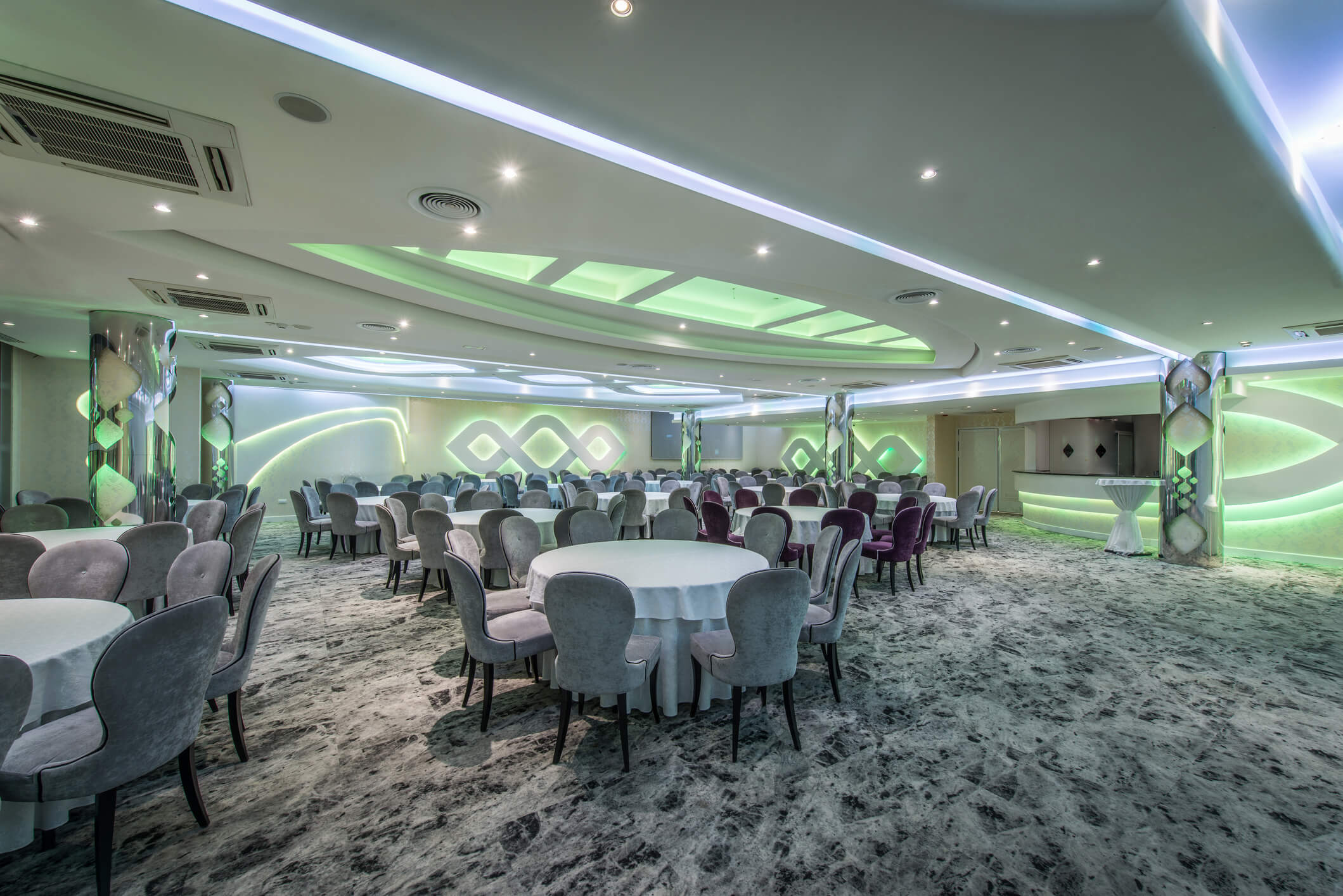
Commercial Carpet vs. Luxury Vinyl Flooring: A Guide
The Flooring Choice for Modern Commercial Spaces
In today’s rapidly evolving world of commercial flooring, the decision between commercial carpet and luxury vinyl flooring has become more nuanced and impactful than ever. Both options offer distinctive benefits in terms of aesthetics, performance, and cost, making it essential for builders, architects, and designers to carefully evaluate their choices against project goals and usage requirements. As demand increases for flexible, sustainable, and resilient surfaces across offices, multifamily residences, educational environments, and hospitality spaces, staying ahead of flooring trends ensures your projects stand out both functionally and visually.
Professional guidance is crucial during the flooring selection process due to the sheer variety and complexity of modern materials. From acoustic performance and design flexibility to long-term maintenance and lifecycle costs, each factor can dramatically influence both experience and value within built environments. Industry experts can clarify the subtle but critical differences that exist between carpet and LVP, streamlining product research, specification, and procurement while reducing overall project risk.
Which Is Better, LVP or Carpet?
When deciding on carpet or vinyl flooring, the best choice depends on project goals, performance demands, and design intent. Luxury Vinyl Plank (LVP) and commercial carpet each bring distinct advantages—LVP excels in durability and maintenance, while carpet delivers superior underfoot comfort and acoustics. Architects, designers, and builders benefit from understanding these differences to make informed recommendations and achieve optimal outcomes for every space.
Key Differences in Materials and Construction
Commercial carpet is available as broadloom or modular tiles, constructed from robust fibers engineered for heavy use. This gives design teams a palette of styles and colors for visual impact and branding. By contrast, LVP is made from multiple layers, including a resilient core and a protective wear layer, providing exceptional resistance to moisture and stains, which makes it ideal for high-traffic or spill-prone areas.
Performance Factors: Durability, Comfort, Acoustics, and Maintenance
LVP stands out for its extreme durability, ease of cleaning, and water resistance, making it a popular choice for locations like lobbies, corridors, and public spaces. However, carpet shines in spaces such as offices, conference rooms, and residential environments, which demand comfort, sound absorption, and a sense of warmth. Modern carpet tiles further simplify maintenance and future replacement, while LVP’s hard surface makes deep cleaning effortless, supporting hygiene in healthcare or education settings.
Comparison of Broadloom, Carpet Tiles, and LVP Options
Broadloom carpet creates a luxurious, seamless look and is frequently used in upscale hospitality projects. Carpet tiles offer flexibility and rapid installation for commercial renewal cycles. LVP, meanwhile, delivers the look of natural wood or stone with unmatched resilience, which is ideal for open-plan layouts and retail floors.
Where Each Option Excels: Traffic, Design Flexibility, and Applications
Carpet often excels upstairs or in areas requiring sound attenuation, particularly in multifamily or hospitality projects. LVP is preferred for replacing carpet with luxury vinyl in places needing robust protection from spills, scratches, or heavy footfall. Designers should also consider the thermal comfort—carpet is generally warmer underfoot, but LVP with insulated underlayments can bridge the gap in colder spaces. Ultimately, the answer to “Which is better, LVP or carpet?” hinges on project-specific criteria and priorities.
Is LVP Good for Commercial Use?
Luxury Vinyl Plank (LVP) is increasingly recognized as one of the most versatile and resilient options for commercial flooring. Thanks to its exceptional durability, broad design adaptability, and cost-effective maintenance, LVP has become a leading choice for high-traffic, multipurpose spaces such as offices, retail environments, schools, and public buildings. Its layered construction resists scratches, moisture, and staining, making it well-suited for the demands of commercial use while offering a modern, aesthetic finish that appeals to clients and end-users alike.
LVP’s Advantages in High-Traffic and Multipurpose Spaces
When specifying flooring for spaces with sustained foot traffic or multidimensional usage, LVP stands out for its impact resistance, ease of cleaning, and long-lasting visual appeal. Commercial LVP products deliver superior performance in both durability and design flexibility, allowing architects and designers to meet both functional and aesthetic requirements. Its ability to mimic materials such as hardwood, stone, or even abstract patterns means you do not have to compromise style for practicality.
Maintenance and Cleaning for Commercial LVP
Operational efficiency is crucial in any commercial environment. Commercial LVT products are engineered with protective wear layers that withstand heavy use and are easy to clean, requiring only routine sweeping and damp mopping. Should a plank or tile become damaged, LVP allows for targeted replacement, which minimizes downtime and keeps maintenance costs predictable.
Installation Types: Glue-Down vs Floating Floor on Concrete
LVP’s versatility extends to installation methods, with glue-down and floating floor systems available. For concrete substrates, glue-down options provide maximum stability and are favored in settings like retail stores or large offices where heavy furnishings or rolling loads are common. Floating floors offer flexibility and speed in installation, making them ideal when project timelines are tight or subfloors are less than perfect. Both systems can incorporate acoustic underlayments to further enhance comfort and sound control.
Case Studies: Education, Retail, and Public Spaces
In higher education facilities, LVP’s slip-resistance and ease of maintenance make it an optimal choice for corridors and classrooms. Retailers appreciate its resilience against foot traffic and carts, while its design versatility allows branding through custom patterns or colorways. Public spaces, which require wayfinding and zoning, benefit from LVP’s ability to define areas functionally and creatively. Each sector values its long-term performance paired with reduced maintenance requirements.
With Consolidated Flooring’s decades of experience and access to industry-leading commercial LVT brands, you can trust every installation to meet rigorous commercial standards for quality, longevity, and visual impact. Our team partners with builders, architects, and designers to deliver expertly installed, low-maintenance LVP solutions that support your project’s success from conception to completion, letting you stand confidently on our floor-covering expertise for years to come.
What Type of Flooring Has the Highest Resale Value?
For builders, architects, and designers, selecting flooring with the highest resale value is crucial in maximizing a property’s long-term return on investment. Across commercial projects, both luxury vinyl plank (LVP) and high-quality commercial carpet options influence resale value, but market preferences are shifting towards solutions that balance aesthetic longevity, maintenance efficiency, and durability.
Flooring has a direct impact on a property’s perceived and actual resale value. LVP continues to grow in demand for its modern appearance, ease of maintenance, and resilience against heavy use, making it an attractive prospect for both buyers and tenants in commercial and multifamily settings. While lush commercial carpet can provide a sense of luxury and warmth—especially in boardrooms, private offices, and hospitality spaces—its shorter lifecycle and heightened maintenance requirements may impact its resale appeal when compared to LVP.
Preference Trends Among Buyers and Tenants: Carpet vs. LVP
Today’s commercial real estate market sees buyers and tenants increasingly drawn to products that are as versatile as they are cost-effective. LVP, with its wood-look finishes and wide style range, fits seamlessly into most design schemes, offering broad appeal that can increase competitive value for properties. Many organizations favor replacing carpet with luxury vinyl to capitalize on its modern image, waterproof finish, and stain resistance, which are key selling points in office, education, public, and retail environments.
Design Longevity and Return on Investment
Design longevity is paramount in commercial flooring, as dated appearances can lower property values and make turnovers costly. LVP’s resistance to fading, scratching, and moisture means that spaces not only look new for longer, but also require less frequent replacement. While high-end commercial carpet can uphold its appearance in select settings, the need for more regular deep-cleaning and replacement may reduce its overall ROI. Putting an emphasis on timeless designs and enduring materials is essential for enhancing resale prospects.
Sustainable and Low-Maintenance Flooring Options
Sustainability is increasingly central to buyer and tenant preferences. Eco-conscious LVP products that use recycled content and low-VOC adhesives can distinguish a property in the market, appealing to organizations seeking LEED credentials and responsible building practices. Low-maintenance flooring, whether it’s carpet tiles with stain guard technology or LVP with urethane coating, translates to reduced management costs and longer useful lifespans, further boosting a property’s resale position.
When you need commercial flooring that maximizes resale value, trust Consolidated Flooring’s expertise and access to the industry’s top-performing products. We help you navigate the myriad of flooring choices to ensure every space stands out and stands the test of time, all while delivering peace of mind from initial planning to flawless installation.
Are People Still Putting Carpet in Bedrooms?
Despite evolving trends in commercial and residential flooring, carpet continues to be a popular choice for bedrooms, especially in multifamily and hospitality settings. The rationale is multifaceted, ranging from comfort and acoustics to aesthetics and innovation in carpet design. For builders, architects, and designers seeking to balance functionality with inviting ambiance, carpet remains a highly relevant selection for quiet, private spaces.
Trends in Material Selection for Commercial and Multifamily Bedrooms
There has been a growing shift towards hard surfaces like Luxury Vinyl Plank (LVP) and hardwood throughout most commercial settings. However, bedrooms, especially those situated upstairs or within multipurpose residential complexes, often retain carpet because of the warmth, insulation, and softness it provides underfoot. Notably, commercial clients in multifamily and hospitality projects frequently opt for carpet in sleeping quarters, recognizing its role in elevating occupant comfort and providing a cozy living experience that appeals to tenants and guests alike.
Advantages of Carpet in Quiet, Private Spaces
Carpet stands out in bedrooms due to its natural sound-dampening qualities. In multifamily installations with upper-floor bedrooms, carpet helps to reduce impact noise and footsteps, contributing to a quieter environment, which is a considerable benefit in densified living spaces. Modern commercial carpets also offer hypoallergenic solutions and stain-resistant technologies, making them easier to maintain and more health-conscious for end users.
Acoustics and Comfort Comparison: Carpet vs LVP Upstairs
While LVP excels in moisture resistance and durability, it cannot match carpet’s acoustic performance or tactile warmth in bedrooms. For upper-level installations, carpet minimizes sound transfer between units and rooms, which is a significant consideration in multifamily housing, hotels, or dormitories. Conversely, for spaces with higher traffic or where easy cleaning is paramount, LVP may still be considered. The opportunity exists for hybrid solutions, combining both materials to suit differentiated needs within a property.
Innovation in Commercial Carpet: Tiles, Patterns, and Luxury Options
Today’s commercial carpets have evolved markedly, offering modular tiles, bold patterns, and luxury finishes that go far beyond basic broadloom. Carpet tiles, in particular, have become popular for commercial bedrooms due to their simple, low-waste installation and design flexibility. These innovations allow for creative expression, wayfinding, and integration with broader architectural themes, while also simplifying replacement and maintenance in high-turnover environments.
Whether your project favors plush comfort or innovative aesthetics, Consolidated Flooring is your trusted partner in flooring solutions. Our decades of experience mean we can help you expertly match premium commercial carpet or innovative LVP to your floor plan’s function and design. Let us help you make every space stand out for comfort, longevity, and impressive impact.
Cost Comparison: What Is Cheaper: Carpet or Vinyl Plank Flooring?
When evaluating commercial flooring for large-scale projects, one of the first questions that arises is: What is cheaper, carpet or vinyl plank flooring? The answer depends on several key factors, including material cost, installation labor, expected lifespan, maintenance requirements, and frequency of replacement. Both commercial carpet and luxury vinyl plank (LVP) have distinct cost profiles that must be weighed against the demands of the space and the expectations for durability and appearance.
Initial Cost Assessment: Material and Labor
Broadloom carpet and carpet tiles traditionally offer competitive pricing, particularly for high-square-footage installations. Material pricing can be lower for commercial carpet than higher-quality LVP, but project costs vary based on required underlayment, pattern complexity, and space preparation. Luxury vinyl plank flooring, especially commercial-grade versions, typically sits somewhat higher in upfront material cost. However, LVP may save on installation labor compared to intricate carpet layouts, particularly with floating floor systems that require less subfloor preparation. Glue-down LVP, while more labor-intensive, can offer superior durability in high-traffic environments.
Lifecycle Costs: Longevity, Maintenance, and Replacement
The long-term cost equation for commercial carpet vs luxury vinyl flooring shifts when considering lifecycle factors. LVP’s resistance to stains, moisture, and most chemicals often leads to lower maintenance expenses and longer service life, especially in high-traffic or multipurpose spaces. Commercial carpet, though comfortable and acoustically absorbent, may require more frequent deep cleaning or periodic replacement in demanding environments. For spaces where rapid turnover or heavy use is expected, LVP can offer compelling true cost savings over the lifespan of the floor.
Budgeting Tips for Large Commercial Projects
For architects, designers, and builders seeking value without sacrificing performance, it is crucial to weigh both immediate and ongoing costs. Work closely with a knowledgeable flooring partner to evaluate not just square-foot pricing, but the full scope of material selection, installation complexity, and expected maintenance schedules. Early-stage planning helps align your budget with the right product for each use, avoiding surprise expenses down the road.
Making the Right Flooring Choice with Consolidated Flooring
Selecting between commercial carpet and commercial LVP (Luxury Vinyl Plank) is a nuanced decision that depends on the unique needs and objectives of your commercial project. Both materials offer distinct advantages in terms of aesthetics, performance, durability, and maintenance requirements. The optimal choice will always align with the functional demands of your space, the expectations of your clientele, and your long-term property management strategy.
The Value of Expert Guidance and Seamless Project Management
Making the right flooring decision can significantly impact the outcome of any commercial build or renovation. With over 80 years of expertise, our family-owned team supports you throughout every phase, from material selection and specification to seamless flooring installation and post-project service, ensuring peace of mind and project success. Our dedicated professionals leverage industry relationships, up-to-the-minute knowledge of leading brands, and decades of experience to offer tailored, objective recommendations. This meticulous approach minimizes project risk, maximizes value, and protects your investment across the lifecycle of your facility.
How Consolidated Flooring Maximizes Value and Quality for Every Budget
At Consolidated Flooring, our decades of experience mean we understand the nuances of carpet and LVP cost structures. We help clients balance budget considerations against the functional demands of each project, recommending solutions that minimize long-term costs without compromising on aesthetic or durability. Our expert team guides you through product selection, accurate estimating, and precise installation, ensuring you achieve optimal value on every job.
Why Architects, Designers, and Builders Rely on Consolidated Flooring
From iconic corporate headquarters to high-traffic educational institutions, Consolidated Flooring is the trusted partner of choice for construction leaders across the region. Builders, architects, and designers understand that the right carpet or vinyl flooring solution involves more than simply comparing samples. It requires comprehensive guidance that balances cost, performance, and visual impact. Our clients return project after project because we deliver what matters most: transparent advice, tightly managed schedules, and a finished product that stands up to foot traffic for years to come.
Choose Consolidated Flooring for Your Next Project
Ready to make an informed decision on your next flooring project? Trust the team that takes pride in every step and every square foot. Choose Consolidated Flooring, and you’ll have a partner as invested in your project’s success as you are. From value engineering to seamless onsite execution, we deliver commercial flooring solutions that respect your budget and exceed expectations, so you can trust every step of your project is on solid ground.